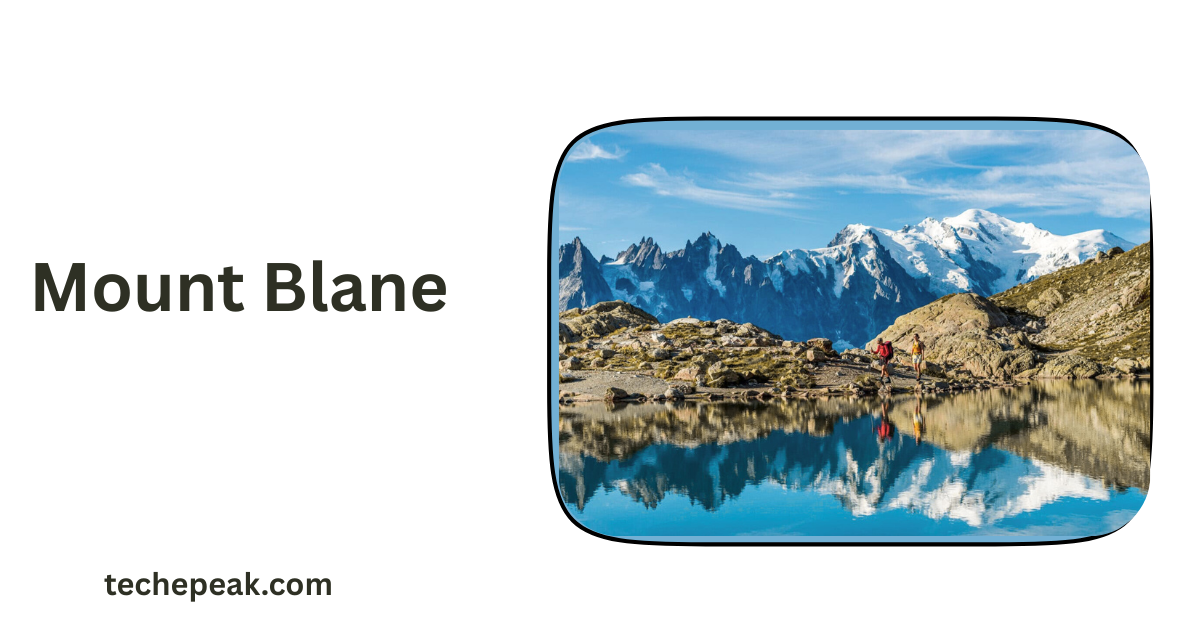

Mount Blane is a captivating natural landmark known for its rugged peaks, diverse ecosystems, and rich outdoor recreation opportunities. Located in British Columbia, Canada, this mountain draws hikers, geologists, and nature enthusiasts from around the world. Understanding Mount Blane involves more than knowing its elevation; it’s about its unique geography, wildlife, hiking experiences, and the conservation efforts that keep this ecosystem thriving. This guide provides a comprehensive overview, from the mountain’s geological formation to practical tips for exploring it safely.
| Feature | Details | Notes |
|---|---|---|
| Location | British Columbia, Canada | Near the town of Smithers |
| Elevation | 2,185 meters (7,165 feet) | Highest peak in the local range |
| Prominent Trails | West Ridge Trail, Alpine Loop | Hiking difficulty ranges from moderate to challenging |
| Wildlife | Black bears, mountain goats, marmots | Seasonal sightings vary |
| Flora | Subalpine fir, lodgepole pine, alpine wildflowers | Varied by elevation |
| Climate | Temperate with snow cover in winter | Summer temperatures range 10–20°C |
Table of Contents
ToggleLocation and Geographical Features of Mount Blane
Mount Blane is part of the Babine Mountains in northern British Columbia. The mountain’s terrain features steep ridges, glacial valleys, and rocky outcrops that highlight its geological history. Its highest peak reaches 2,185 meters (7,165 feet), making it a dominant feature in the region’s landscape. Rivers and streams originating from its slopes feed into the Skeena River, supporting both local ecosystems and communities downstream.
Geological Composition
The mountain is primarily composed of sedimentary rock dating back to the Mesozoic era, shaped by tectonic activity and glacial erosion over millions of years. The layered formations reveal a complex history of folding, faulting, and erosion, making it a valuable site for geological studies. Fossils found in nearby valleys suggest that the region was once covered by shallow seas, providing insight into prehistoric marine life.
Climate and Weather Patterns
Mount Blane experiences a temperate mountain climate, with cool summers and snowy winters. Average summer temperatures range from 10–20°C, while winter lows can reach -15°C or lower. Snow typically covers the upper slopes from November through April, creating seasonal challenges for hikers. Rainfall averages 1,200 mm annually, supporting lush forests in the lower elevations.
Flora and Fauna Around Mount Blane
The diverse habitats of Mount Blane host a rich array of plants and animals. The lower slopes are dominated by dense forests of subalpine fir and lodgepole pine, while the alpine zones feature hardy wildflowers adapted to high-altitude conditions. The mountain’s varied ecosystems provide food and shelter for many species, making it a hotspot for biodiversity.
Endangered or Protected Species
Several species in the area are protected due to their ecological importance. Black bears, mountain goats, and marmots are commonly sighted, and birdwatchers often spot the threatened boreal owl and northern goshawk. Conservation initiatives focus on preserving these species by limiting human disturbances and monitoring populations.
Hiking, Tourism, and Recreation on Mount Blane
Mount Blane is a popular destination for hikers seeking both adventure and natural beauty. Trails vary in difficulty, with the West Ridge Trail providing a moderate climb and the Alpine Loop offering more challenging terrain and breathtaking vistas. Hikers can access several viewpoints that showcase the surrounding Babine Mountains and nearby valleys.
Tourism infrastructure includes well-marked trails, seasonal guide services, and campgrounds at lower elevations. Despite its remote location, Mount Blane attracts visitors for day hikes, multi-day trekking, and wildlife photography.
Safety Tips for Hikers
Weather on Mount Blane can change rapidly, so hikers should prepare for cold winds, rain, and sudden snow even in summer. Recommended gear includes sturdy hiking boots, layered clothing, and navigation tools. Hikers should also remain cautious of wildlife, particularly bears, and carry bear spray or other deterrents. Staying on marked trails minimizes the risk of injury and reduces environmental impact.
Historical and Cultural Significance
Mount Blane holds cultural significance for the local Indigenous communities, who have relied on the mountain and surrounding lands for centuries. Traditional hunting, fishing, and foraging practices continue today, emphasizing sustainable interaction with nature. Historical records indicate early European explorers used the mountain for mapping and surveying northern British Columbia.
Local folklore often references the mountain as a sacred place, with stories passed down through generations that highlight its spiritual and ecological importance. These narratives enrich the experience of visitors and provide insight into the mountain’s human history.
Conservation Efforts and Environmental Challenges
Conservation of Mount Blane focuses on protecting its unique ecosystems and preventing environmental degradation. Key challenges include deforestation, trail erosion, and climate change, which threatens alpine habitats and snowpack levels.
Efforts by local authorities and conservation groups include monitoring wildlife populations, maintaining trails, and educating visitors on sustainable practices. Limiting off-trail hiking and respecting seasonal closures helps reduce human impact on sensitive areas.
Tips for Planning a Trip to Mount Blane
The best time to visit Mount Blane is during late June to early September, when trails are mostly clear of snow and weather conditions are stable. Nearby towns like Smithers offer accommodations, guide services, and supplies for multi-day treks. Visitors should plan their itinerary carefully, considering elevation gain, trail difficulty, and the availability of water sources along the routes.
For a one-day trip, hikers can complete the West Ridge Trail and enjoy panoramic views. Multi-day expeditions along the Alpine Loop allow for more immersive exploration, including wildlife observation and camping at designated sites.
Case Study: Successful Hiking Expeditions
A group of hikers completed a 3-day expedition along Mount Blane’s Alpine Loop in July 2024. They observed mountain goats and boreal owls, documented alpine wildflowers, and followed all conservation guidelines. Their experience highlights how Mount Blane offers rewarding exploration while emphasizing responsible outdoor practices. By respecting wildlife and staying on trails, the group safely enjoyed one of British Columbia’s most scenic mountain ranges.
Quick Reference Table of Key Trails and Features
| Trail | Length | Elevation Gain | Difficulty | Highlights |
|---|---|---|---|---|
| West Ridge Trail | 8 km | 600 m | Moderate | Panoramic views, alpine meadows |
| Alpine Loop | 15 km | 1,100 m | Challenging | Rocky ridges, wildlife sightings, glaciers |
| Valley Path | 5 km | 200 m | Easy | Forests, streams, beginner-friendly |
Conclusion
Mount Blane is more than just a peak; it’s a hub of biodiversity, geological wonder, and adventure. Understanding its geography, wildlife, hiking routes, and conservation needs allows visitors to experience the mountain responsibly and fully. By preparing for changing weather, respecting local ecosystems, and appreciating the mountain’s cultural significance, adventurers can enjoy a safe and enriching visit. Whether you are a casual hiker or a serious mountaineer, Mount Blane offers unforgettable landscapes and lessons in environmental stewardship.
Most Viewed