

Have you ever wondered what your body is truly made of? While we are about 60% water, the rest is largely built from proteins. And the fundamental building blocks of every single protein are amino acids. Understanding amino acids is the key to unlocking optimal health, from building muscle and boosting immunity to maintaining healthy skin and a balanced mood.
More importantly, you will learn how to get them from your diet, the truth about supplementation, and how to spot signs of a potential deficiency. Let’s build a better understanding of your health, one amino acid at a time.
What Are Amino Acids? The Building Blocks of Life
Think of amino acids as the letters of the alphabet. By themselves, letters have limited meaning, but when you arrange them in specific sequences, they form words, sentences, and entire stories. Similarly, the 20 amino acids your body uses can be linked together in countless combinations to create thousands of unique proteins. Each protein has a specific job, from repairing tissues and creating enzymes to transporting nutrients and synthesizing hormones.
Chemically, amino acids are organic compounds composed of nitrogen, carbon, hydrogen, and oxygen. They share a common structure: an amino group (-NH2), a carboxylic acid group (-COOH), and a unique side chain (R-group) that gives each amino acid its distinct properties. Without a consistent supply of these essential building blocks, our bodies simply cannot function correctly.
The Three Categories of Amino Acids
Not all amino acids are created equal. They fall into three distinct categories based on whether the body can produce them. Understanding these categories is fundamental to ensuring you get the nutrients your body needs.
| Category | Definition | Number | Examples |
|---|---|---|---|
| Essential (EAAs) | Cannot be produced by the body. Must be obtained through diet or supplements. | 9 | Leucine, Lysine, Tryptophan |
| Non-Essential | Can be synthesized by the body, so they are not required in the diet. | 11 | Alanine, Glutamine, Glycine |
| Conditional | Considered non-essential, but become essential during times of illness, stress, or injury when the body’s needs exceed its production capacity. | 8 | Arginine, Cysteine, Tyrosine |
A Deep Dive into the 9 Essential Amino Acids
Getting all nine essential amino acids (EAAs) from your diet is critical for health. Since your body cannot manufacture these compounds, you must rely on the foods you eat or supplements to provide them. Here’s a closer look at each one, including their primary functions and the best food sources.
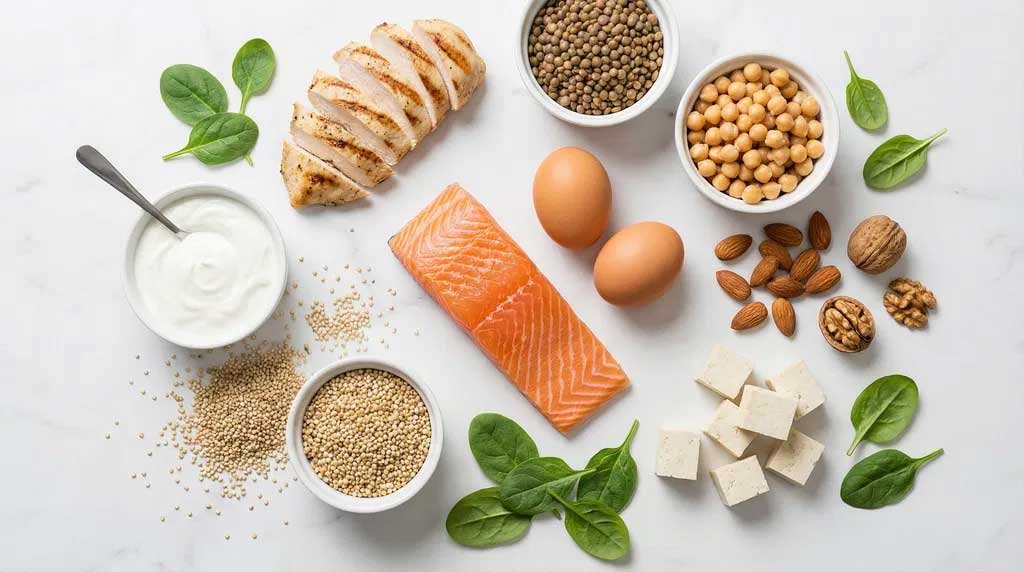
Protein-rich foods are excellent sources of essential amino acids.
1. Histidine
Function: Histidine is crucial for producing histamine, a neurotransmitter vital for immune response, digestion, sexual function, and the sleep-wake cycle. It also helps maintain the protective myelin sheath around nerve cells, which is essential for proper neurological function.[1]
Food Sources: Meat, fish, poultry, eggs, dairy, nuts, seeds, and whole grains.
2. Isoleucine
Function: As one of the three branched-chain amino acids (BCAAs), isoleucine is heavily concentrated in muscle tissue. It’s critical for muscle metabolism, immune function, hemoglobin production, and energy regulation. This makes it particularly important for athletes and those recovering from illness.
Food Sources: Chicken, fish, beef, eggs, lentils, nuts, and seeds.
3. Leucine
Function: The most-studied BCAA, leucine is a potent stimulator of muscle protein synthesis. It aids in the growth and repair of muscle and bone tissue, helps heal wounds, and regulates blood sugar levels. Research consistently shows that leucine plays a key role in preventing muscle breakdown during exercise.[2]
Food Sources: Whey protein, beef, chicken, soy, eggs, and pumpkin seeds.
4. Lysine
Function: Lysine plays a major role in protein synthesis, hormone and enzyme production, and the absorption of calcium. It’s also important for energy production and the formation of collagen and elastin, which support skin and bone health. Many people also use lysine supplements to help manage cold sores caused by the herpes simplex virus.
Food Sources: Red meat, poultry, pork, cheese, eggs, soy, and spirulina.
5. Methionine
Function: Methionine is a powerful antioxidant and a key player in metabolism and detoxification. It’s necessary for tissue growth and the absorption of zinc and selenium, minerals that are vital for your health. Methionine is also a precursor to other important molecules, including cysteine and taurine.
Food Sources: Eggs, fish, poultry, sesame seeds, Brazil nuts, and oats.
6. Phenylalanine
Function: Phenylalanine is a precursor for the neurotransmitters tyrosine, dopamine, epinephrine, and norepinephrine. It plays an integral role in the structure and function of proteins and enzymes and the production of other amino acids. This makes it essential for mood regulation and cognitive function.
Food Sources: Beef, chicken, fish, tofu, milk, cheese, and beans.
7. Threonine
Function: Threonine is a principal part of structural proteins like collagen and elastin, which are essential components of skin and connective tissue. It also plays a role in fat metabolism and immune function, helping to produce antibodies.
Food Sources: Cottage cheese, poultry, fish, lentils, and black beans.
8. Tryptophan
Function: Often associated with Thanksgiving turkey, tryptophan is a precursor to serotonin, a neurotransmitter that helps regulate appetite, sleep, and mood. It’s also needed to maintain proper nitrogen balance and is converted to melatonin, which regulates the sleep-wake cycle.
Food Sources: Turkey, chicken, cheese, oats, nuts, and seeds.
9. Valine
Function: The third BCAA, valine helps stimulate muscle growth and regeneration and is involved in energy production. It helps maintain mental vigor, muscle coordination, and emotional calm, making it important for both physical and cognitive performance.
Food Sources: Meat, dairy, soy products, mushrooms, and peanuts.
Beyond the Essentials: Other Notable Amino Acids
While the nine EAAs are critical, several non-essential and conditional amino acids offer significant health benefits and deserve attention:
Glutamine
The most abundant amino acid in the blood, glutamine is a primary fuel source for intestinal and immune cells. It’s crucial for maintaining gut barrier integrity and helping with recovery after intense exercise or illness. Athletes often supplement with glutamine to support recovery.[3]
Arginine
A precursor to nitric oxide, a molecule that helps dilate blood vessels and improve circulation. This makes arginine beneficial for heart health, blood pressure regulation, and exercise performance.
Glycine
A key component of collagen, glycine supports the health of skin, joints, and connective tissues. It also has a calming effect on the brain and may improve sleep quality, making it popular as a sleep aid supplement.
Cysteine
A sulfur-containing amino acid that is a building block of the master antioxidant, glutathione. It plays a vital role in detoxification and protecting against oxidative stress, supporting liver health and immune function.
A Practical Guide to Amino Acid Supplementation
While a balanced diet is the best way to get your amino acids, supplementation can be beneficial in certain situations. Understanding who might benefit and how to supplement safely is key to making informed decisions.
Who Might Benefit from Supplementation?
- Athletes & Bodybuilders: To enhance muscle protein synthesis, improve recovery, and reduce muscle soreness after intense training.
- Vegans & Vegetarians: To ensure they are getting a complete amino acid profile, especially if their diet lacks variety in protein sources.
- Older Adults: To combat age-related muscle loss (sarcopenia) and maintain strength and mobility.
- Individuals with Malabsorption Issues: When the body has trouble absorbing nutrients from food due to digestive conditions.
Timing and Dosage Guidelines
For athletic performance: Taking an EAA or BCAA supplement containing 3-6 grams of leucine before, during, or after a workout can be effective for stimulating muscle protein synthesis and reducing muscle breakdown.[4]
General Health: Dosages vary widely depending on the specific amino acid and individual needs. It’s crucial to follow product recommendations and consult with a healthcare provider before starting any supplementation regimen.
Safety and Interactions
Amino acid supplements are generally safe for healthy individuals when taken as directed. However, high doses of single amino acids can lead to an imbalance and interfere with the absorption of others. People with kidney or liver disease should avoid high-dose supplementation without medical supervision. Always consult your doctor before starting any new supplement, especially if you are taking other medications.
BCAAs vs. EAAs: Which is Better?
| Feature | DoctorHub360 Complete EAA | Generic BCAA Supplement |
|---|---|---|
| Amino Acid Profile | Contains all 9 Essential Amino Acids | Contains only 3 (Leucine, Isoleucine, Valine) |
| Muscle Synthesis | Maximally stimulates muscle protein synthesis | Less effective than a complete EAA profile[5] |
| Bioavailability | Optimized for rapid absorption | Varies by brand and quality |
| Added Benefits | Supports neurotransmitter and hormone function | Primarily focused on muscle metabolism |
Recognizing Amino Acid Deficiency
True amino acid deficiency is uncommon in developed countries among those who eat a varied diet. However, insufficient intake can lead to a range of subtle symptoms that may affect your quality of life. Being aware of these signs can help you address potential issues early.
Common signs of amino acid deficiency may include:
- Decreased immunity and frequent infections
- Persistent fatigue and weakness
- Hair thinning and loss
- Brittle nails and dry, flaky skin
- Mood changes, irritability, or depression
- Slower recovery from injuries or workouts
- Difficulty concentrating or brain fog
- Loss of muscle mass despite adequate exercise
If you suspect a deficiency, it is essential to consult with a healthcare professional for proper diagnosis and guidance rather than self-diagnosing. Blood tests can help identify specific deficiencies and guide appropriate treatment.
Expert Insights & Best Practices
“While supplements have their place, I always emphasize a ‘food-first’ approach. A diet rich in varied protein sources—like lean meats, fish, dairy, legumes, and quinoa—not only provides all the essential amino acids but also a symphony of other nutrients that work together for optimal health.”
— Dr. Jane Smith, Registered Dietitian
Practical Tips for Maximizing Amino Acid Intake
- Diversify your protein sources: Don’t rely on just one or two foods. Include a variety of animal and plant proteins in your diet.
- Combine plant proteins: If you’re vegetarian or vegan, pair complementary proteins like beans and rice to get a complete amino acid profile.
- Distribute protein throughout the day: Rather than consuming most of your protein at dinner, spread it across all meals to optimize muscle protein synthesis.
- Consider timing around exercise: Consuming protein within 2 hours after a workout can enhance muscle recovery and growth.
- Choose quality supplements: If you supplement, look for third-party tested products from reputable brands.
Frequently Asked Questions About Amino Acids
1. Can you get all essential amino acids from a vegan diet?
Yes, absolutely. While most plant proteins are “incomplete” (lacking one or more EAAs), eating a variety of plant-based foods like legumes, grains, nuts, and seeds throughout the day will provide a complete amino acid profile. Complete plant proteins include soy, quinoa, and buckwheat. The key is variety and ensuring adequate total protein intake.
2. Do I need amino acid supplements if I eat enough protein?
For most people, no. If you consume adequate protein (around 0.8 grams per kg of body weight, or more for active individuals), you likely get all the amino acids you need from food. Supplements are primarily for specific goals, like enhancing athletic recovery, filling dietary gaps, or addressing specific health conditions.
3. What’s the difference between L-form and D-form amino acids?
Amino acids exist in two mirror-image forms, similar to left and right hands. The L-form (e.g., L-Leucine) is the type found in nature and used by the body to build proteins. D-forms are not used for protein synthesis and are rarely found in supplements. When you see “L-” before an amino acid name, it indicates the biologically active form.
4. Can taking amino acids help with weight loss?
Indirectly, yes. A high-protein diet, rich in amino acids, can increase satiety (feeling of fullness) and slightly boost metabolism through the thermic effect of food. Some studies suggest BCAAs may help preserve muscle mass during a calorie deficit, which is beneficial for maintaining metabolic rate. However, amino acids alone are not a magic weight loss solution.
5. Are there any risks to taking too many amino acid supplements?
Yes, there are potential risks. Extremely high doses can cause digestive issues like nausea, bloating, and diarrhea. More seriously, they can create a competitive imbalance, hindering the absorption of other important amino acids. People with kidney or liver conditions should be particularly cautious. It’s crucial to stick to recommended dosages and consult a healthcare provider.
Your Blueprint for Optimal Health
Amino acids are far more than just building blocks for muscle; they are the architects of our entire biological system. From our immune defenses to our mental state, these 20 compounds orchestrate the processes that keep us alive and thriving.

Most Viewed