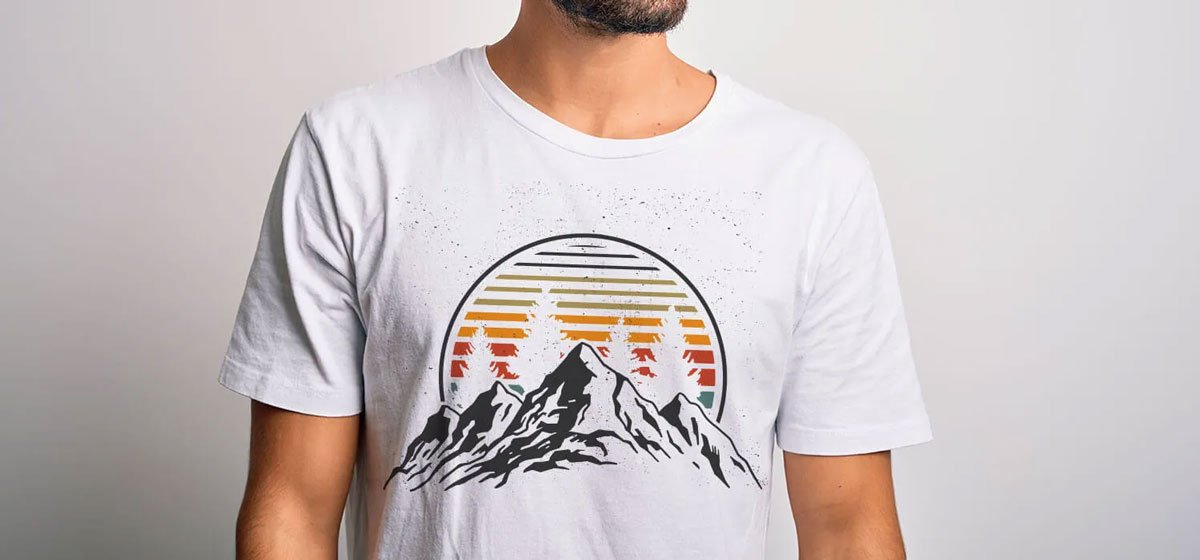

Starting a custom T-shirt printing business is an exciting venture. The custom apparel market is booming, with countless opportunities for entrepreneurs to tap into this growing trend. Whether you’re looking to make custom shirts for a local sports team, create unique designs for e-commerce, or offer personalized gifts, getting into the custom T-shirt printing business can be both profitable and rewarding.
However, success requires more than just a great idea and design skills. You need the right equipment, marketing strategy, and business plan. This guide will take you through the key steps to starting your own T-shirt printing business, from understanding the market to selecting the right printing method and managing operations.
Table of Contents
ToggleUnderstanding the Custom T-Shirt Printing Market
The demand for custom T-shirts has been steadily growing, and it shows no signs of slowing down. Custom shirts are used for everything from corporate giveaways to personalized gifts, team uniforms, and fashion statements. This expanding market offers a range of opportunities for businesses of all sizes.
Before you start your business, it’s crucial to understand your target audience. Custom T-shirts can appeal to a variety of groups: individuals looking for unique gifts, businesses needing promotional items, or even influencers launching their own merchandise. Identifying your niche will help you tailor your marketing and sales strategies to meet specific customer needs.
Additionally, keeping up with trends is essential. Eco-friendly materials, customizable designs, and on-demand printing are becoming increasingly popular. Consumers are looking for T-shirts that reflect their personality, support a cause, or help them stand out. Being aware of these trends will give you a competitive edge.
Choosing the Right Printing Method
When it comes to custom T-shirt printing, choosing the right method is one of the most important decisions you’ll make. The method you choose will impact your production costs, product quality, and the types of designs you can create. Here are a few of the most popular printing methods:
- Screen Printing: This traditional method involves creating a stencil (or screen) for each color in the design and then applying ink through the screen onto the fabric. It’s cost-effective for large orders and works best with simple designs. However, the setup time can be long, and it’s not the best option for complex or full-color designs.
- DTG (Direct-to-Garment) Printing: DTG printing uses inkjet technology to print directly onto the fabric. This method is ideal for detailed, multi-colored designs and smaller batches. It’s great for one-off orders or personalization but can be slower and more expensive per unit for large orders.
- DTF (Direct-to-Film) Printing: DTF is a newer technology that involves printing designs onto a special film and then transferring the design onto the fabric with heat. It’s a versatile method that works well on a wide range of fabrics, including cotton, polyester, and blends. For example, the Epson printer offers high-quality prints with vibrant colors and durability, making it a great investment for businesses aiming to deliver premium products. DTF printing is faster than DTG and offers good color vibrancy, especially on dark fabrics.
Essential Equipment and Setup
Once you’ve chosen your printing method, the next step is investing in the right equipment. The equipment you purchase will determine the quality of your prints and the efficiency of your operation. Here’s what you’ll need:
- Printers: Depending on your chosen printing method, you’ll need a specific printer. For DTG printing, an inkjet printer designed for fabric printing is essential. For DTF printing, a printer like the Epson Surecolor G6070 DTF printer will help you create vibrant and durable prints on various fabrics. For screen printing, you’ll need a screen printing press and associated tools.
- Heat Press Machine: If you’re using heat transfer or DTF printing, a reliable heat press is crucial for transferring designs onto T-shirts. The heat press applies the necessary heat and pressure to ensure the design adheres properly to the fabric.
- Design Software: Software like Adobe Illustrator, CorelDRAW, or free alternatives such as Inkscape are essential for creating and preparing your designs. These programs allow you to create high-resolution graphics and export them in formats suitable for printing.
- Workspace Setup: Your workspace should be spacious enough for your equipment and materials. Ensure there’s proper ventilation and that the area is free of dust or contaminants that could interfere with the printing process.
Sourcing Materials
The quality of the materials you use will directly impact the final product. T-shirts come in a wide range of fabrics, so it’s important to choose high-quality, print-friendly options. Cotton is ideal for DTG and screen printing, while polyester or blended fabrics are perfect for DTF printing.
You’ll also need to source other materials, such as inks, transfer papers, and screen printing supplies. For DTF printing, you’ll need specialized film and transfer powder. It’s essential to build strong relationships with suppliers who can provide you with consistent, high-quality materials at a reasonable price. Many suppliers offer bulk discounts, so consider purchasing in larger quantities to reduce costs.
Pricing and Financial Planning
Pricing your products correctly is essential for running a profitable business. You need to account for your production costs, including materials, labor, and overheads, while also ensuring a healthy profit margin. For each T-shirt, calculate the cost of the blank shirt, ink, printing materials, and any other operational costs (like electricity, equipment maintenance, etc.).
Once you’ve determined your costs, add a markup that reflects your desired profit margin. Keep in mind that pricing can vary depending on the complexity of the design and the printing method used. For example, DTF printing might have a higher per-unit cost due to the specialized materials required, but it also allows for more intricate designs and a wider range of fabric choices.
Marketing Your Custom T-Shirt Business
Once your business is up and running, it’s time to market your custom T-shirts. A solid marketing plan will help you attract customers and grow your business.
- Create an Online Presence: A professional website is a must for any custom T-shirt business. You can set up an e-commerce platform through sites like Shopify, Etsy, or Big Cartel to sell your products online. Make sure your website showcases your designs and makes it easy for customers to order.
- Use Social Media: Platforms like Instagram, Facebook, and TikTok are excellent for visual businesses like custom T-shirt printing. Share photos and videos of your T-shirts, behind-the-scenes footage of the printing process, and customer testimonials. Use targeted ads to reach a wider audience and grow your brand.
- Offer Promotions and Discounts: To attract initial customers, offer discounts, bundle deals, or limited-edition designs. You can also collaborate with influencers or businesses to create custom designs for them, which can help expose your brand to a broader audience.
Managing Orders and Customer Service
Efficient order management is key to running a smooth operation. Use order management software to keep track of customer orders, inventory, and production timelines. Communication is also crucial, so always keep your customers informed about the status of their orders.
Customer service is another area that should never be overlooked. Respond to inquiries promptly, resolve issues quickly, and ensure that the final product meets customer expectations. Happy customers will likely return and recommend your business to others.
Legal and Operational Considerations
Finally, ensure you have the legal side of your business covered. Register your business, choose an appropriate business structure (LLC, sole proprietorship, etc.), and acquire any necessary licenses or permits. If you’re using designs that aren’t your own, be mindful of copyright laws. Additionally, consider getting business insurance to protect your equipment and inventory.
Conclusion
Starting a custom T-shirt printing business requires careful planning, the right equipment, and a solid marketing strategy. By selecting the best printing method for your needs, investing in quality equipment, and sourcing reliable materials, you’ll be on the path to success. With a clear plan for pricing, marketing, and managing operations, you can build a business that delivers high-quality custom T-shirts and satisfies customers.

Shaker Hammam
The TechePeak editorial team shares the latest tech news, reviews, comparisons, and online deals, along with business, entertainment, and finance news. We help readers stay updated with easy to understand content and timely information. Contact us: Techepeak@wesanti.com
More PostsMost Viewed