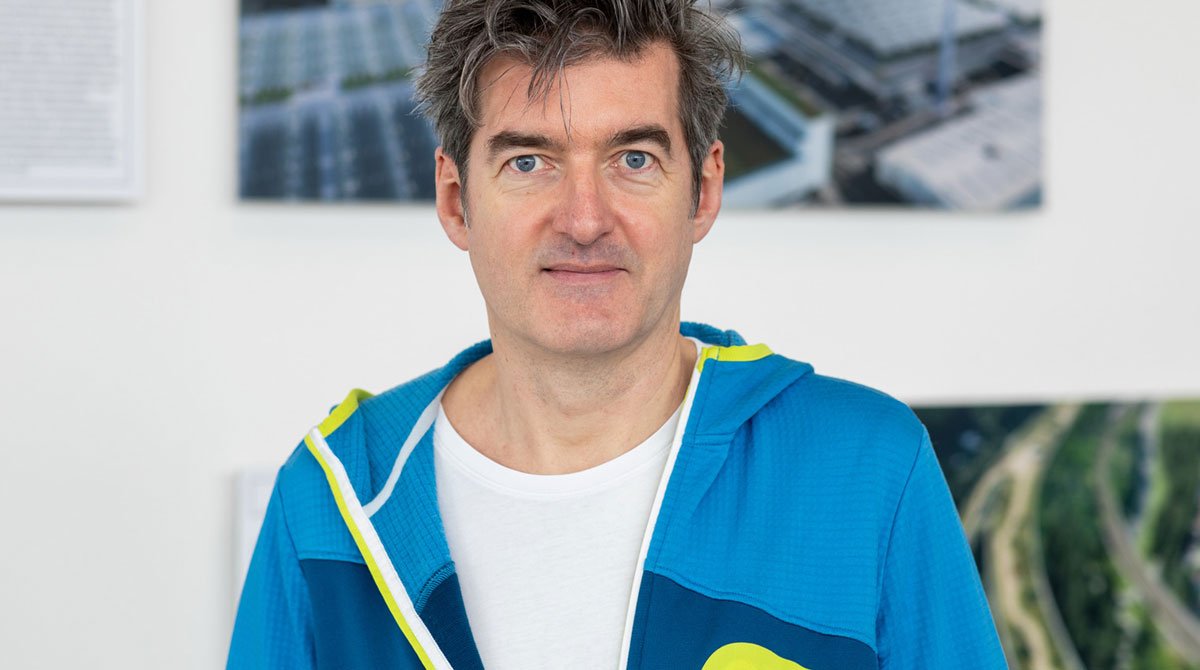

Can a film change the world? Can a photograph dismantle a system? For over two decades, Austrian artist and filmmaker Oliver Ressler has relentlessly explored this very question. He operates where art, activism, and critical thinking collide. His work isn’t just for galleries; it’s for the streets, the social movements, and the urgent conversations that define our time.
This article will take you deep into the world of Oliver Ressler. We will explore his evolution as an artist, dissect his core philosophies, and examine the real-world impact of his most significant projects. You will discover an artist who believes that social conditions are not fixed—they can be challenged, and they can be changed. And art, in his hands, is a powerful tool for that transformation.
Who Is Oliver Ressler? The Artist Behind the Activism
Oliver Ressler is not an artist who sits quietly in a studio. Born in Knittelfeld, Austria, in 1970, he has spent more than 25 years at the fiery intersection of art and activism. His base is Vienna, but his canvas is the world. He engages directly with the urgent political and economic issues of our time.
His journey began at the University of Applied Arts Vienna. It was there he honed the skills that would later define his practice. Ressler’s work constantly challenges the boundaries between being an artist and an activist. He doesn’t see them as separate roles. For him, they are deeply intertwined, each strengthening the other.
At the heart of his work is a simple, powerful belief. “Social conditions are not given but can be changed,” he insists. This idea fuels every film, installation, and public project he undertakes. He creates art that doesn’t just hang on a wall; it asks questions and demands answers.
His focus is sharp. He investigates the mechanics of global capitalism, democracy, and migration. Most critically, he confronts the climate crisis. Ressler’s art provides a lens through which we can understand these complex systems. It also shows us the power of people organizing for change.
He has become a crucial voice in the contemporary art world. His work has been shown in over 150 exhibitions, including the major biennials of Prague, Seville, Moscow, and Taipei. Yet, his influence extends far beyond traditional art spaces. He connects with activists on the ground, making his work a living part of social movements.
The Evolution of an Activist Artist: A Timeline
To understand Ressler’s work, it helps to see his journey. His focus has sharpened over the years, moving from broader critiques of capitalism to a direct confrontation with the climate crisis. This timeline highlights key shifts in his artistic and political thinking.
| Year | Key Project/Focus | Significance |
|---|---|---|
| 1990s | Early works on global capitalism & racism | Established his focus on political and economic structures. |
| 2002 | “This is what democracy looks like!” | Won the prestigious ZKM Media Art Award, gaining international recognition. |
| 2003-07 | “Alternative Economics, Alternative Societies” | A multi-year project exploring economic models outside of capitalism. |
| 2009 | “What is Democracy?” (Film) | Deepened his investigation into forms of governance and popular power. |
| 2015-17 | “Everything’s Coming Together While Everything’s Falling Apart” | A major shift to documenting the frontlines of the climate justice movement. |
| 2019-23 | “Barricading the Ice Sheets” | Focused entirely on climate breakdown and the movements resisting it. |
| 2023+ | “Dog Days Bite Back” & “We Are the Forest” | Continues to explore the complexities of the climate crisis with growing urgency. |
The Philosophy That Drives His Work: Art as a Tool for Transformation
Oliver Ressler’s art is not meant to be passive. It is a catalyst. He fundamentally rejects the idea of the artist as a detached observer. Instead, he positions himself as an active participant in the struggles he documents. His work aims to blur the lines between art and activism until they become indistinguishable.
At the core of his philosophy is a critique of capitalism. For Ressler, issues like the climate crisis, migration, and social inequality are not isolated problems. He sees them as direct consequences of a global economic system built on profit and exploitation. His art seeks to expose these connections, making the invisible structures of power visible.
This is most evident in his work on the climate crisis. He argues that climate change is not just an environmental issue. It is a political and economic one. He critiques market-based solutions as insufficient. Instead, he focuses on the need for systemic change, a message that resonates throughout his films and installations.
What, then, is the role of the artist in this struggle? For Ressler, it is to provide visibility. He uses his platform to amplify the voices of grassroots movements and social alternatives. He documents their strategies, their struggles, and their successes. He makes their resistance visible to a broader audience.
This act of making things visible is, in itself, a form of activism. It creates a record of resistance. It inspires others to take action. It helps to build a collective memory for social movements. As he stated, his work is an attempt to “afford more visibility to activist practices.”
A New Approach: Ressler’s Method in Context
To grasp the uniqueness of his approach, it helps to compare it with more traditional forms of art and activism. Ressler carves out a powerful middle ground, combining the strengths of both worlds.
| Feature | Traditional Art | Traditional Activism | Oliver Ressler’s Approach |
|---|---|---|---|
| Primary Goal | Aesthetic expression, market value | Direct political or social change | Systemic critique and making alternatives conceivable |
| Main Arena | Galleries, museums, private collections | Streets, protests, political campaigns | Both: galleries, public spaces, and within social movements |
| Audience | Art collectors, critics, gallery visitors | General public, policymakers, specific groups | A hybrid audience of art viewers and political activists |
| Method | Individual creation, symbolic representation | Mass mobilization, lobbying, direct action | Collaborative documentation, film, and public installations |
| Relationship to Subject | Often detached, observational, or abstract | Directly involved, often confrontational | Immersed and participatory, a “researcher-participant” |
Major Works: How Ressler Documented a Changing World
Oliver Ressler’s work is a living archive of resistance. His films and installations are not just art objects; they are documents of struggle and hope. To truly understand his impact, we must look closely at the projects that have defined his career. These case studies reveal an artist deeply engaged with the defining movements of our time.
Case Study 1: “Everything’s Coming Together While Everything’s Falling Apart” (2015-2017)
This three-film series marks a pivotal moment in Ressler’s work. It was here he turned his full attention to the climate justice movement. The title itself captures the dual reality of the climate crisis. On one hand, systems are collapsing. On the other, new forms of resistance are emerging.
The first film plunges viewers into the 2015 COP21 climate conference in Paris. Ressler’s camera captures the tension between the official negotiations and the vibrant street protests. He highlights projects like Climate Games, which organized creative acts of civil disobedience. The film exposes the failure of world leaders to take meaningful action.
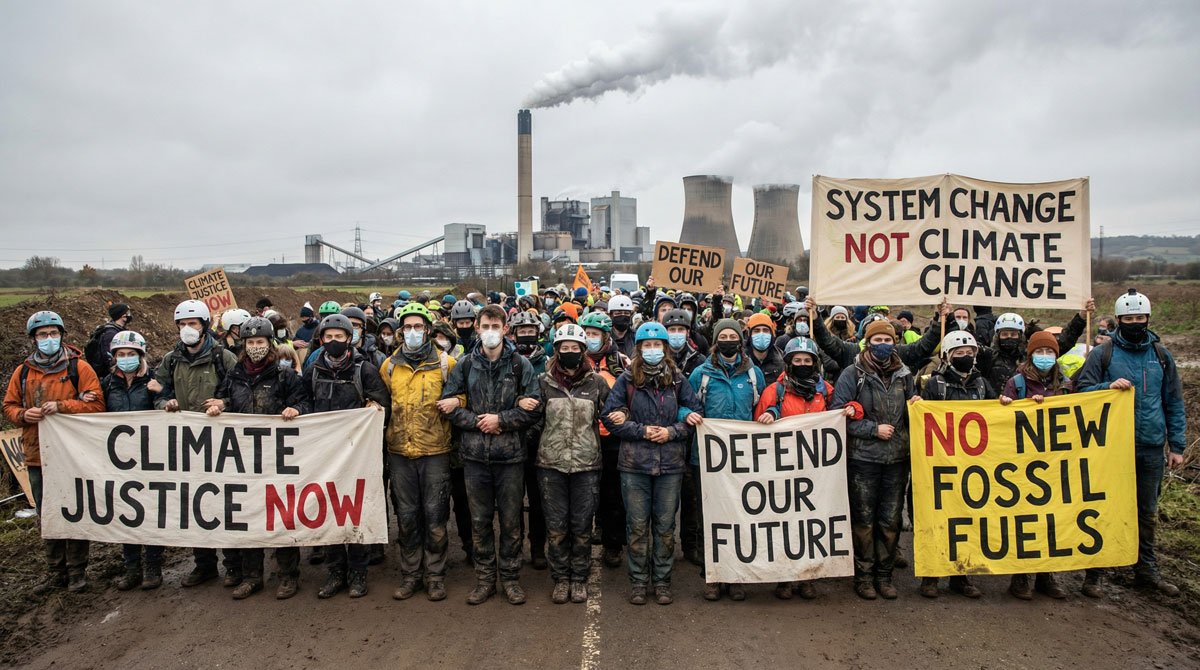
Next, the series takes us to Germany’s Lusatia coal fields for the Ende Gelände action in 2016. Here, 4,000 activists successfully shut down a massive lignite mine. Ressler’s film documents the planning, the strategy, and the sheer courage of the participants. It is a powerful testament to the effectiveness of direct action.
Finally, Ressler explores the ZAD, a sprawling autonomous zone in western France. For years, activists occupied this land to stop the construction of a new airport. The film shows a community building a new world in the shell of the old. It is a living example of the social alternatives Ressler’s work so often points toward.
Case Study 2: “Barricading the Ice Sheets” (2019-2023)
With “Barricading the Ice Sheets,” Ressler’s focus on the climate crisis becomes even more intense. This multi-year project is a sweeping investigation into the global climate justice movement. It is a direct response to the escalating urgency of climate breakdown.
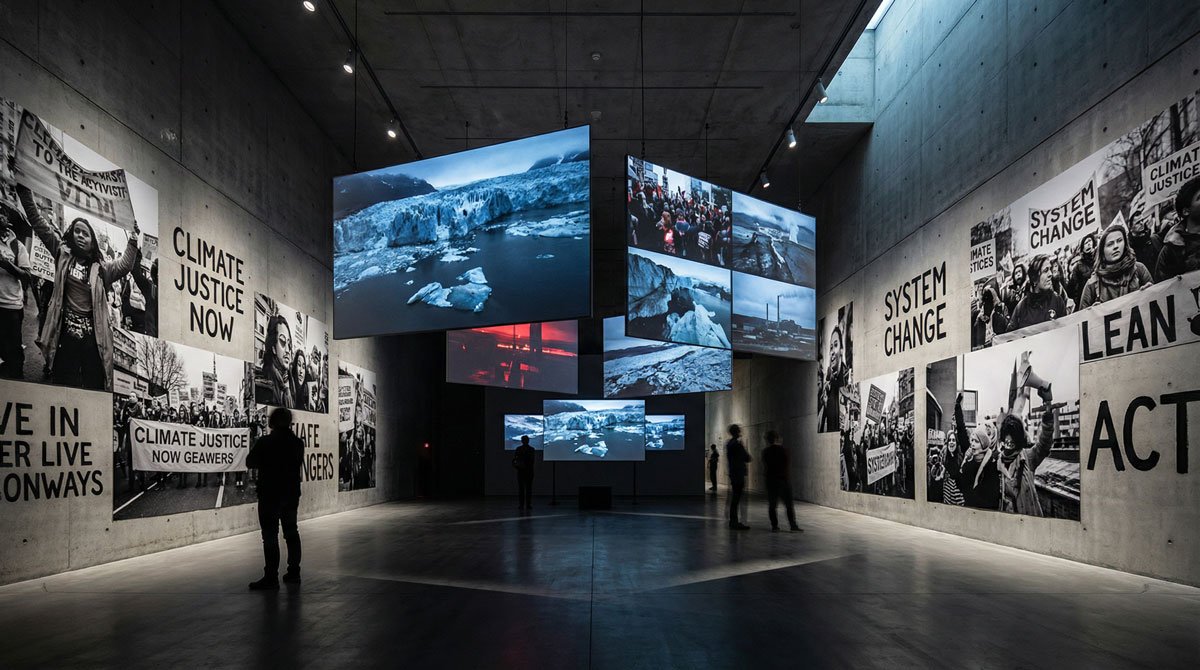
The project consists of films, photographic works, and exhibitions. It takes viewers to the frontlines of climate activism across Europe. Ressler interviews activists, documents protests, and analyzes the political dynamics of the movement. He asks a crucial question: What is the role of art in a world on fire?
The title itself is a powerful metaphor. It suggests that our planet’s life-support systems are under siege. It also points to the acts of resistance—the barricades—that movements are building. The project is a call to action, urging viewers to recognize the severity of the crisis and the necessity of resistance.
Case Study 3: “Dog Days Bite Back” (2023)
Ressler’s most recent work shows his thinking continuing to evolve. “Dog Days Bite Back” is a direct response to the record-breaking heat of recent summers. The title comes from a statement by UN Secretary-General António Guterres: “The dog days of summer are not just barking, they are biting.”
This project, which includes films and photographic works, was featured in a major exhibition at Vienna’s Belvedere 21 museum. It highlights the interconnected nature of the climate crisis. Ressler connects extreme weather events to systemic failures in climate policy and global economics.
He continues to center the voices of activists. The work documents acts of civil disobedience and explores how climate movements organize and mobilize. It is a raw, unflinching look at the state of the climate struggle today. It confirms Ressler’s status as one of the most important artistic chroniclers of our time.
The Real Impact: How Ressler’s Art Influences Social Movements
Does activist art actually make a difference? In the case of Oliver Ressler, the evidence is compelling. His work’s impact is not measured in auction prices, but in its influence on the very movements he documents. He has successfully created a feedback loop where art and activism fuel each other.
Ressler’s films are not just screened in galleries. They are shown at activist gatherings, university teach-ins, and community centers. They become tools for education and mobilization. By documenting the tactics of movements like Ende Gelände, his films provide a blueprint for other activists around the world.
Consider the numbers. His work has been featured in over 150 exhibitions. He has been reviewed by major art publications like Frieze and ArtReview. This institutional recognition gives credibility and a wider platform to the grassroots movements he features. It forces the art world to pay attention to issues it might otherwise ignore.
His participation in the Taipei Biennial in 2008 is a prime example. He didn’t just show his own work; he curated an entire exhibition on the counter-globalization movement. This act turned a major international art event into a platform for political discourse. It brought activist ideas to a new and influential audience.
The real impact lies in this power to connect. Ressler bridges the gap between the art world and the world of social change. He translates the urgency of the streets into a language that galleries and museums can understand. In doing so, he builds solidarity and directs resources toward the frontlines of the struggle.
His work proves that art can be more than just a commodity. It can be a vital part of the ecosystem of social change. It can document, educate, inspire, and legitimize. Oliver Ressler’s career is a 25-year case study in how to do it effectively.
Ressler in Context: How He Stands Apart in Contemporary Art
To fully appreciate Oliver Ressler’s contribution, we must place him within the broader landscape of contemporary art. He is part of a growing tradition of activist artists who use their practice to engage with social and political issues. However, his specific approach sets him apart.
Unlike some political art that remains purely symbolic, Ressler’s work is deeply embedded in the movements he documents. He is not just commenting from the sidelines. He is a participant-observer, a researcher, and a collaborator. This gives his work an authenticity and an urgency that is often missing from gallery-based political art.
Compare him to other artists in the field. While artists like Gregory Sholette also explore the relationship between art and activism, Ressler’s focus on documentary filmmaking is unique. He uses the language of cinema to create compelling narratives of resistance. His films are accessible to a wide audience, both inside and outside the art world.
His relentless focus on the climate crisis also distinguishes him. While many artists are now addressing environmental themes, Ressler has been doing so for over a decade. He was one of the first to frame it as a political and economic crisis, not just an ecological one. This has made him a leading voice in the emerging field of climate justice art.
In a world saturated with images, Ressler’s work cuts through the noise. It is not about creating beautiful objects for the market. It is about using art as a tool for understanding, for education, and for change. He has carved out a unique and vital space in the contemporary art world, one that is more relevant now than ever.
Frequently Asked Questions About Oliver Ressler
- 1. What is Oliver Ressler known for?
- Oliver Ressler is an Austrian artist and filmmaker known for his work at the intersection of art and activism. He focuses on themes like global capitalism, the climate crisis, democracy, and social movements. His projects often take the form of documentary films, installations, and public art, aiming to make social alternatives conceivable and to support resistance movements.
- 2. What are Oliver Ressler’s major works and films?
- Some of his most significant projects include the film series “Everything’s Coming Together While Everything’s Falling Apart” (2015-2017), which documents the climate justice movement; “Barricading the Ice Sheets” (2019-2023), a deep dive into climate breakdown; and the influential early project “Alternative Economics, Alternative Societies” (2003-2007).
- 3. How does Oliver Ressler blend art with activism?
- Ressler blurs the boundaries between the two fields. He doesn’t just comment on political issues; he actively participates in the movements he documents. His art serves as a tool to give visibility to activist practices, educate a broader public, and create a living archive of resistance for social movements themselves.
- 4. What is Oliver Ressler’s stance on climate change?
- He views the climate crisis as a direct result of the capitalist economic system. He critiques market-based solutions as inadequate and instead advocates for systemic change. His work champions the climate justice movement, which connects climate change to social inequality and fights for a just transition away from fossil fuels.
- 5. What is the significance of the ZAD in his work?
- The ZAD (Zone to Defend) in France is a large, autonomous territory established by activists to block an airport project. Ressler documented it in his film “Everything’s Coming Together While Everything’s Falling Apart.” For him, the ZAD represents a real-world example of an alternative society, a community living and organizing outside the rules of capitalism.
- 6. How has his artistic practice evolved over 25 years?
- While his core focus on political and economic critique has remained consistent, his work has become increasingly focused on the climate crisis over the past decade. His methods have also evolved, with a strong emphasis on collaborative documentary filmmaking as a primary medium for his investigations into social movements.
- 7. What awards and recognition has Oliver Ressler received?
- Among other honors, Ressler received the prestigious first prize of the International Media Art Award from ZKM (Center for Art and Media Karlsruhe) in 2002 for his video “This is what democracy looks like!” This early award helped establish him as a significant voice in media art.
- 8. Which museums have collected his work?
- His work is held in the collections of numerous major institutions, including the Museo Reina Sofía in Madrid, the Belvedere Museum in Vienna, and has been exhibited at the Whitechapel Gallery in London and MASS MoCA in the United States, among many others. This demonstrates his significant standing in the contemporary art world.
- 9. What is his philosophy about social change through art?
- Ressler believes that “social conditions are not given but can be changed.” He sees art as a powerful tool in that process. By making alternative ideas and forms of resistance visible and conceivable, he believes art can contribute to the political imagination and empower people to fight for a different world.
- 10. How does he document social movements in his films?
- He uses a participatory and immersive documentary style. Rather than being a detached observer, he often collaborates with the activists he films. His goal is to provide a platform for their voices and to accurately represent their strategies, motivations, and the challenges they face, creating an authentic and powerful record of their struggles.
The Future of Art and Activism: What Ressler’s Work Teaches Us
Oliver Ressler’s career is a powerful counter-narrative to the idea that art is a luxury, detached from the real world. For over 25 years, he has demonstrated that art can be a vital force for social and political change. He has provided a language and a visual archive for some of the most important movements of our time.
His work teaches us that the great challenges we face—the climate crisis, economic inequality, the erosion of democracy—are interconnected. They stem from a system that prioritizes profit over people and planet. But more importantly, his work shows us that resistance is fertile. Alternatives are not just possible; they are already being built.
What can we take from his journey? We can be inspired to look more critically at the world around us. We can seek out the stories of those who are fighting for a better future. We can reconsider the role of creativity in our own lives and communities. Ressler’s art is an invitation to engage, to question, and to act.
Explore his films. Visit his exhibitions. Follow the movements he documents. The future is not yet written. And as Oliver Ressler’s powerful body of work reminds us, we all have a role to play in shaping it.
Most Viewed