

Cylind Studio works at the intersection of urban planning, data, and visual clarity. Architectural visualization has changed its role over the last decade. What once served as a static presentation tool has evolved into an operational layer for complex cities. Today, architectural visualization services support systems that think, react, and adapt in real time.
At the center of this shift is the Digital Twin. A Digital Twin is a virtual replica of physical urban assets that is continuously updated with live data. It reflects how streets, buildings, utilities, and public spaces behave at any given moment. These models are no longer created only for visual approval. They now act as the main interface through which Smart City systems are observed and managed.
For city officials and developers, this change is fundamental. Instead of reacting to issues after they occur, teams can simulate outcomes in advance. Traffic patterns, energy loads, and environmental conditions are tested digitally before changes are made on the ground. The city becomes a living system that can be understood, optimized, and adjusted with confidence.
The Technical Integration of IoT Data into 3D Environments
A Digital Twin depends on its data. Internet of Things sensors provide continuous streams of information from across the city. These inputs include traffic density, electricity usage, water pressure, noise levels, and air quality. On their own, these data points are difficult to interpret.
Visualization teams transform this raw information into spatial context. Using geospatially accurate models built on BIM foundations, live data is mapped directly onto a 3D environment. This ensures that every value corresponds to a real-world location. Color shifts, animated flows, and dynamic lighting translate numbers into readable signals.
This visual layer is critical. It allows non-technical stakeholders to understand complex systems instantly. Instead of dashboards filled with charts, planners see the city responding in real time.
Living Infrastructure: Monitoring Urban Health in Real Time
Cities operate like organisms. They rely on interconnected systems that must remain balanced. Digital Twins make these relationships visible.
Through architectural visualization, infrastructure is monitored as a living network. Structural stress, utility performance, and transport efficiency are displayed continuously. This visibility supports predictive maintenance. Potential failures are identified before they disrupt daily life.
The benefit lies in integration. Instead of siloed data sets, city managers see a holistic picture. Bottlenecks, inefficiencies, and vulnerabilities emerge clearly, allowing for informed intervention.
The Core Pillars of a Functional Smart City Digital Twin
A reliable Digital Twin requires several technical layers working together. Each layer supports accuracy, performance, and usability.
- High-resolution photogrammetry and LiDAR data defining precise urban geometry.
- Live API connections feeding data from distributed IoT sensor networks.
- Rendering engines capable of processing constant data updates smoothly.
- Interactive dashboards for simulation and scenario testing.
- Secure cloud infrastructure for storage and computation at scale.
When these components align, the city becomes observable and manageable as a single system.
Predictive Simulation and Emergency Response Planning
One of the most valuable uses of Digital Twins is simulation. Cities face increasing environmental and structural risks. Visualization allows teams to explore outcomes without real-world consequences.
Flood scenarios, seismic events, and extreme weather can be modeled accurately. Emergency services test evacuation routes and response timing digitally. During a real crisis, the same models support coordination in real time.
Urban growth is also simulated. A new tower can be inserted into the model to study shadows, wind behavior, and pedestrian flow. This prevents unintended consequences and supports sustainable development decisions.
 Enhancing Citizen Engagement Through Transparent Data
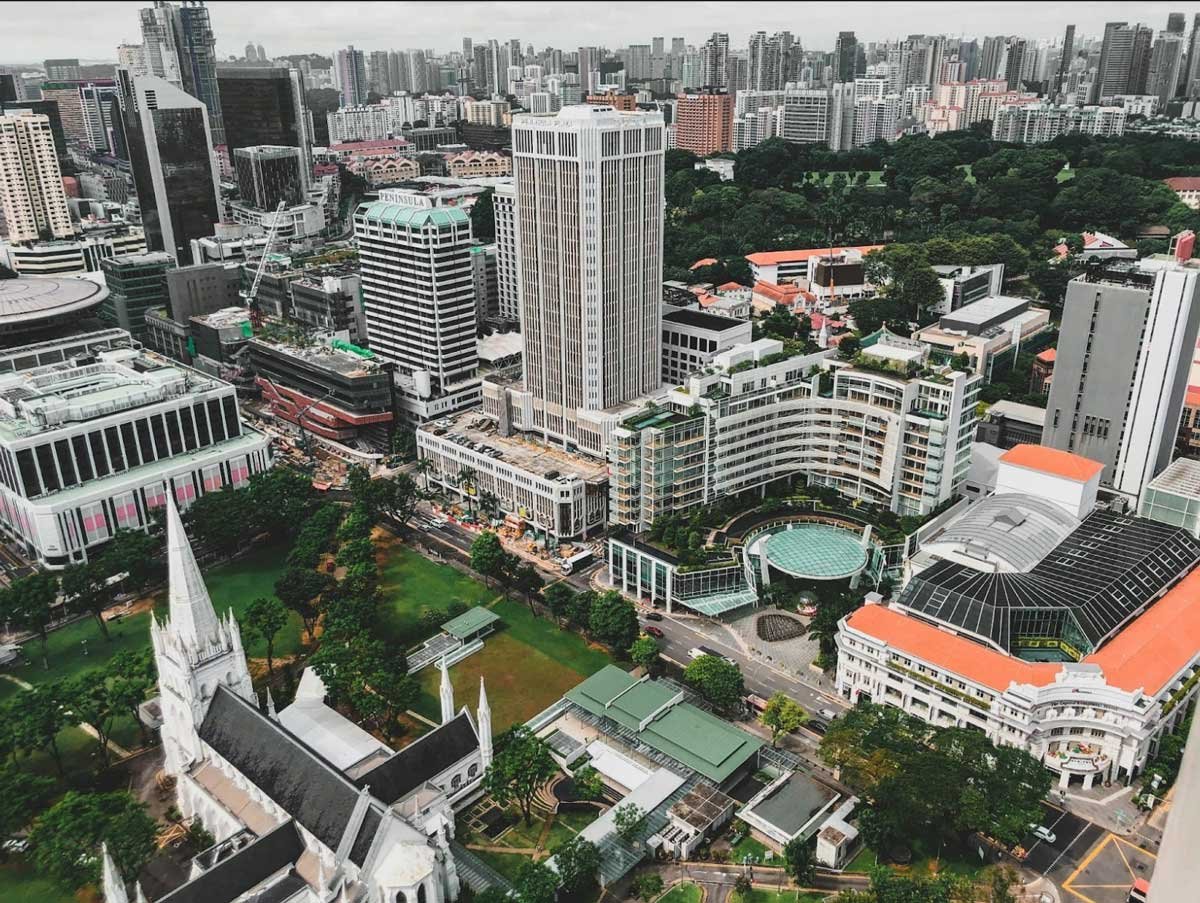 Enhancing Citizen Engagement Through Transparent Data
Smart Cities depend on public trust. Digital Twins support transparency by making planning data visible to residents.
Public-facing versions of these models allow citizens to explore future projects online. Parks, transit lines, and zoning changes become understandable rather than abstract.
When people see the reasoning behind decisions, resistance decreases. Engagement improves because citizens feel informed rather than excluded.
The Future of Urban Management: AI and Autonomous Systems
The next stage of Digital Twins involves intelligence. Artificial Intelligence analyzes historical and live data within the model.
Traffic lights adjust automatically based on congestion. Street lighting responds to foot traffic. Autonomous vehicles train in accurate digital environments.
These systems rely on visualization for oversight. So-called cognitive twins not only represent the city but also suggest improvements. Urban management shifts from reactive to adaptive.
Conclusion
Architectural visualization has become a foundation of Smart City technology. By combining live data with spatial accuracy, cities gain clarity and foresight.
Through architectural visualization services, static infrastructure turns into responsive systems. Digital Twins enable cities to test, monitor, and continuously improve.
As urban environments grow more complex, collaboration between visualization experts and data scientists becomes essential. The era of the living city is already here, built through insight, simulation, and architectural visualization services.

Most Viewed