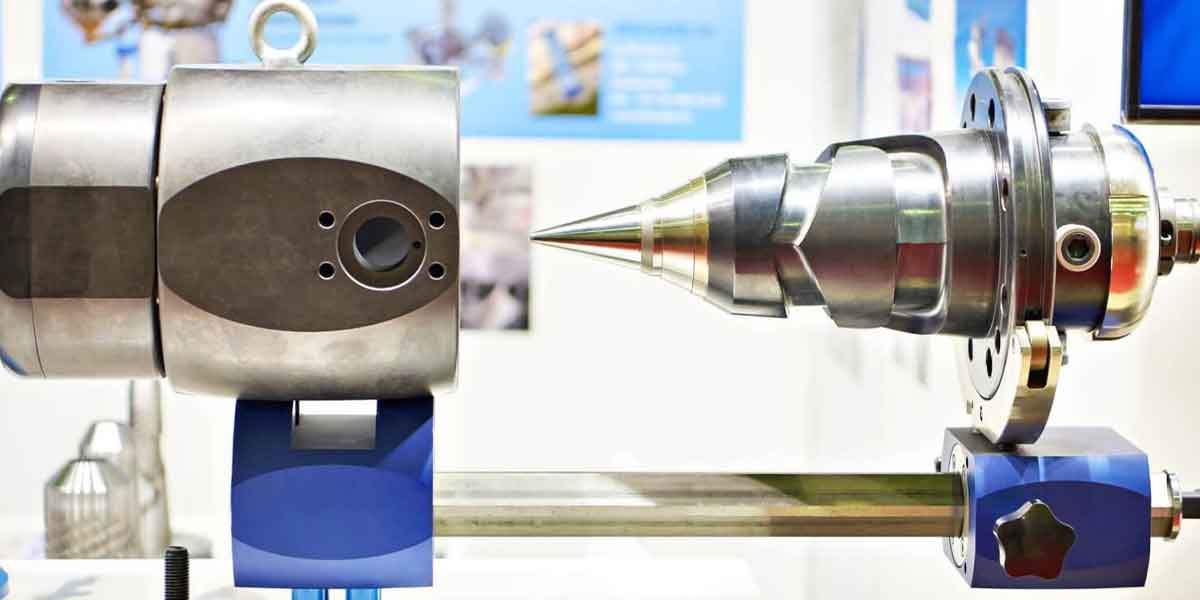

Plastic extrusion is a manufacturing process that melts raw plastic and forces it through a mold to create long, uniform shapes. Injection molding is also used to make plastic parts, but the melted plastics are usually injected into a metal mold. Though both processes produce large volumes of uniform objects, the preferred method should depend on your desired outcome. Here is a comparison of the two methods to help you select the ideal option for your project:
Table of Contents
ToggleHow Plastic Extrusion Works
Plastic extrusion requires two primary components, raw plastic and a custom die. The plastic is fed into a hopper and moves through a heated barrel. This verifies that the material is heated evenly, so that the finished project is a uniform thickness. The melted plastic is then pushed through a reusable custom mold to make sure duplicate parts are consistent. After the plastic is shaped, it is immediately cooled in water to solidify, and then it is cut to your desired length. This process works well for plastic types such as:
- Rigid Polyvinyl Chloride: RPVC is a rigid type of PVC; this makes it strong and structural. It’s also resistant to chemicals, acids, water, and weathering.
- Neoprene: This synthetic rubber is waterproof and heat-resistant, enabling it to withstand long-term exposure to sunlight, ozone, and oils.
- Polycarbonate: This thermoplastic offers high impact resistance, preventing cracking. It is also transparent, so it is a lightweight alternative to glass.
- Acrylonitrile Styrene Acrylate: ASA is a high-performance and weather-resistant thermoplastic. It can maintain strength and rigidity even in cold temperatures.
Applications of Plastic Extrusion
The plastic extrusion process is designed to create continuous profiles, rather than stand-alone or highly detailed objects. This makes the process ideal for pipes and tubes, as well as sheeting or films. These products have a uniform design across the entire surface area, and materials can be cut to specific lengths after extrusion is complete.
In construction, extrusion may be used to produce frequently used materials that require specific dimensions and high durability. This includes items such as vinyl siding, window frames, and weatherstripping. For the medical industry, plastic extrusion is used to create flexible tubing, whether it’s for IV lines, catheters, or oxygen hoses. Extrusion can also be used to increase product safety; the process helps create insulation for electric cables or airbag housings.
How Injection Molding Works
Manufacturers make molds for injection molding from steel or aluminum. This enables them to withstand high pressure and temperature over multiple uses, verifying each part aligns with the original design. Raw plastic is melted and injected into your custom mold; after it cools, your product is removed.
Some plastic companies also offer insert and overmolding processes. Insert molding injects plastic into a mold that also contains a pre-placed, non-plastic component. This allows the plastic to harden around other components, creating a single, integrated part. This method helps improve structural strength and reduces assembly steps. Overmolding uses a thermoplastic to cover a pre-manufactured part; this creates a single, multi-material component. This can improve ergonomics, dampen vibrations, or enhance branding.
Like extrusion, injection molding can use polycarbonate and ASA, but flexible plastics are also ideal for this method. Thermoplastics are polymers that soften and become pliable when heated, enabling them to be easily molded or shaped before they harden upon cooling. Thermoplastics include nylon, polyethylene, and polystyrene.
Applications of Injection Molding
Injection molding is commonly used to produce large volumes of plastic parts, ranging from gears and fasteners to casings and connectors. Since molds are reused, each product remains consistent across multiple production cycles. In the automotive industry, the process can be used to create dashboards, door handles, and bumpers. Consumer electronics rely on injection molding for smartphone cases and keyboard keys, and it allows for intricate designs that would be difficult to achieve by hand. Injection molding is also used to make various consumer goods, such as bottle caps and storage bins.
Work With a Plastic Parts Manufacturer
A plastic parts manufacturer helps businesses produce highly accurate, durable parts for various applications. Experts help you select the right plastic type for your project, and they will guide you through each production stage, from prototyping to final assembly. Both plastic extrusion and injection molding can produce close-tolerance parts so that they fit precisely with your final product. Contact a plastic manufacturer today to learn more about their available services.

Chase Durkish
Most Viewed