
Soap making products play distinct roles in the production of handcrafted bars, encompassing both core ingredients and specialized finishing components. By deliberately selecting bases and additives, artisans are able to address specific skincare objectives, such as enhanced softness and moisture retention. Here are a few different types of soap making supplies and their uses:
Table of Contents
ToggleMelt-and-Pour Bases
Melt-and-pour bases are pre-saponified soap foundations designed for immediate use. Once melted, poured, and allowed to cool and harden, they are ready for use without additional curing time. These bases are typically composed of glycerin and may include natural additives such as shea butter, goat milk, or aloe vera. Because they eliminate the extended curing periods associated with traditional soap-making methods, melt-and-pour bases are suitable for beginners. In handcrafted soap production, they serve the following creative and functional purposes:
- Customizable foundations
- Artistic design
- Skin care targeting
- Specialty applications
Crafters melt solid soap bases to form the foundation of handcrafted bars. After the base is liquefied, fragrance oils and powdered colorants are blended in to customize scent and appearance. Clear glycerin bases are often selected for embedding decorative elements, such as dried botanicals, or for creating intricate layered designs, and different base formulations are used to address specific skin needs, including enhanced moisturization or reduced sensitivity. Specialized options, such as shaving soap bases, are formulated to produce a richer, more stable lather.
Essential and Fragrance Oils
Essential and fragrance oils are aromatic liquids that personalize the scents of handcrafted products. Essential oils are derived from plants and reflect the natural aromatic compounds of their botanical sources. Soap makers use them for their functional properties, such as supporting skin clarity or providing calming effects. Fragrance oils are synthetically produced to replicate specific scents or to create aroma profiles not found in nature. These oils are widely used for their scent stability, strong retention, and variety, and they perform reliably in both hot- and cold-process soap making. In some formulations, crafters blend essential and fragrance oils to achieve distinctive scent combinations, such as pairing a gardenia fragrance oil with citrus essential oils.
Silicone Soap Molds
Silicone soap molds are flexible, heat-resistant containers made from pliant, nonreactive material; they are used to shape liquid soap as it cools and solidifies during the soap making process. Crafters consistently prioritize these soap making supplies because they are reusable, lightweight, and easy to clean. This makes them practical for both beginners and experienced artisans.
The uses of silicone molds are varied and support both the functional requirements and artistic goals involved in handcrafted soap production. Silicone’s natural flexibility allows artisans to release finished soap bars easily without cracking or damaging surface details. These molds are available in a wide range of shapes, sizes, and detailed patterns, enabling the creation of uniform round or square bars as well as decorative soaps with textured or molded designs.
Silicone molds are compatible with all major soap making techniques, including melt-and-pour, cold-process, and hot-process methods. They also maintain their structural integrity with repeated use. Because silicone withstands both high heat and cooling temperatures without warping or cracking, it offers consistent results over time. Silicone loaf molds help produce evenly sized bars that can be cut cleanly, packaged efficiently, and presented with a professional finish.
Natural Botanical Additives
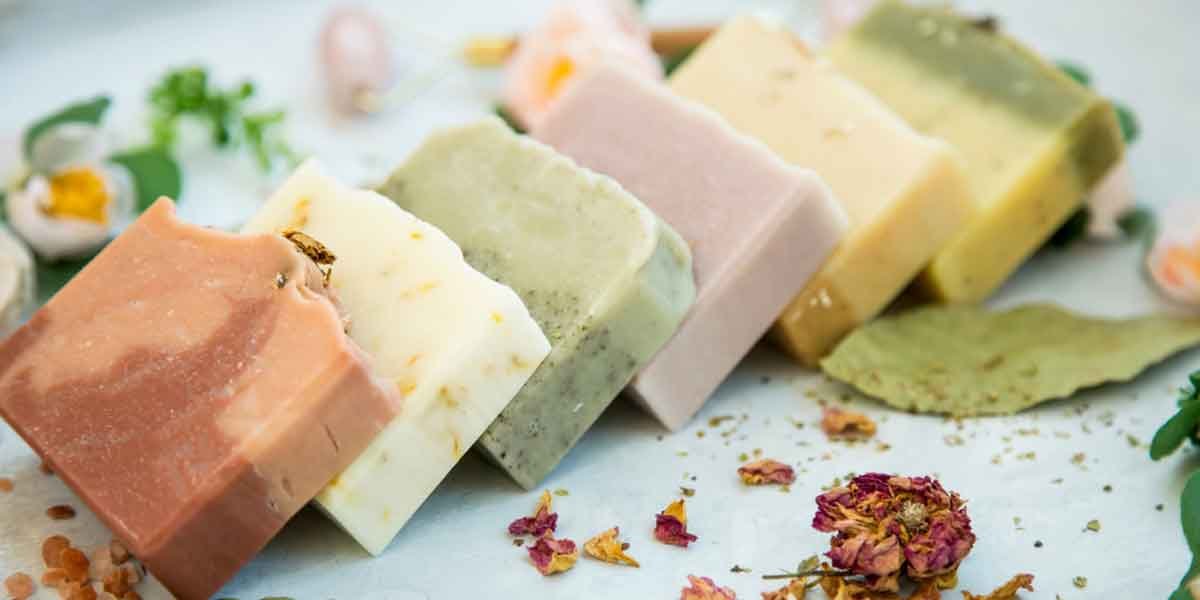
Natural botanical additives are dried plant materials such as flower petals, herbs, and seeds. Soap makers incorporate them to enhance the product’s physical and visual properties. These additions transform a basic bar into a more sophisticated product by providing texture and natural beauty. Crafters use dried flowers, such as rose petals, to add vibrant colors or accents to transparent and opaque bars. Botanicals such as ground walnut hulls or small seeds serve as natural exfoliants that help remove dead skin cells. Botanicals like peppermint leaves provide a clean, refreshing visual and aromatic element that enhances the overall sensory appeal of the finished soap. Customizing the botanicals you use so that they blend well with your chosen essential or fragrance oil offers complementary scent profiles in your creation.
Explore Soap Making Supplies
Quality apothecary products provide reliable, aesthetically pleasing results. Artisans may also use mica powders to achieve vibrant hues in melt-and-pour and cold-process methods. Contact a reputable apothecary to learn more about their products.

Chase Durkish
Most Viewed