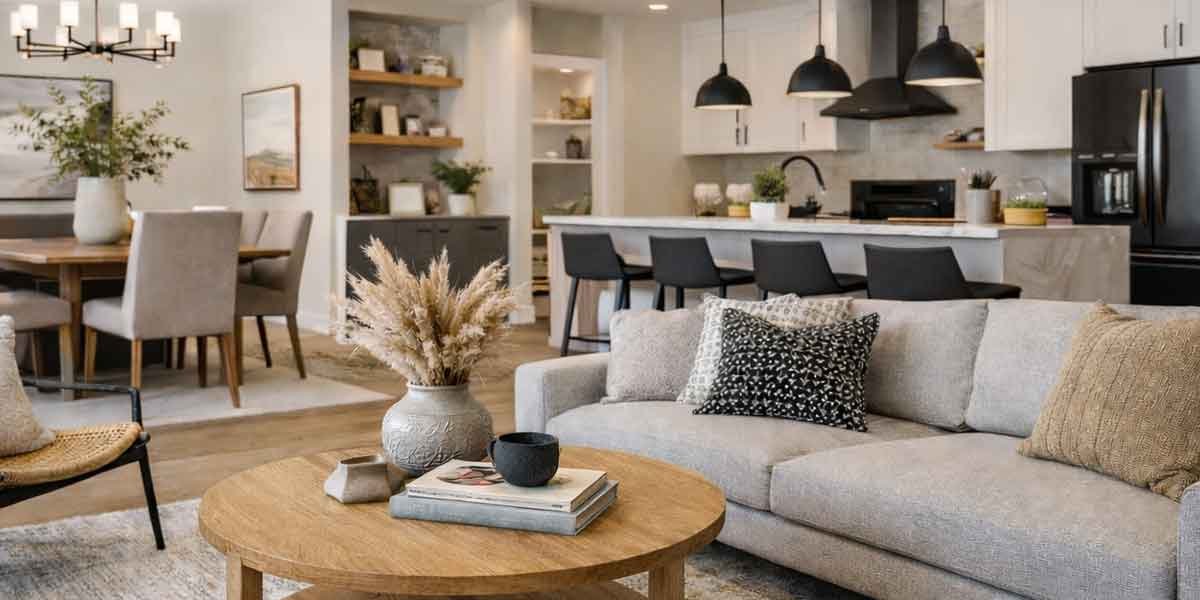

In the evolution of residential architecture, few trends have had as profound an impact as the shift toward open-concept living. This design philosophy, which involves the removal of traditional barriers between the kitchen, dining, and living areas, has redefined the modern home. By creating a single, expansive space, open-concept design fosters a sense of connectivity, improves natural light distribution, and enhances the overall functionality of the living environment. For homeowners and property investors, understanding the benefits of this layout is essential for creating spaces that meet the demands of contemporary lifestyles. This article explores the most significant advantages of open-concept living, focusing on its impact on social interaction, spatial perception, and property value.
Table of Contents
ToggleThe Philosophy of Connectivity and Social Interaction
The primary objective of open-concept living is to facilitate social interaction and connectivity among residents, notes Clark County rental specialists. In a traditional layout, walls often isolate the person preparing a meal in the kitchen from those relaxing in the living room. An open-concept design eliminates these barriers, allowing for seamless communication and engagement. This is particularly beneficial for families and those who enjoy entertaining guests, as it creates a more inclusive and communal atmosphere.
| Design Element | Traditional Layout | Open-Concept Layout |
| Spatial Definition | Defined by walls and doors | Defined by furniture and lighting |
| Social Interaction | Isolated and compartmentalized | Connected and communal |
| Natural Light | Limited by interior walls | Maximized through open space |
| Functionality | Specific to each room | Versatile and multi-functional |
By fostering a sense of togetherness, open-concept living supports a more modern and dynamic way of life, where the boundaries between different activities are blurred.
Enhancing Spatial Perception and Natural Light
One of the most immediate benefits of open-concept design is the enhancement of spatial perception. By removing interior walls, even a relatively small home can feel significantly larger and more spacious. This “airy” feel is highly desirable in contemporary real estate, as it creates a sense of luxury and freedom. Furthermore, the absence of walls allows natural light to penetrate deeper into the home, reducing the need for artificial lighting and improving the overall mood and well-being of the occupants.
“Open-concept living is not just about removing walls; it is about creating a sense of flow and light that transforms the daily living experience. It is a design choice that prioritizes human connection and spatial freedom.”
The strategic use of windows and glass doors in an open-concept space can further amplify these benefits, creating a seamless transition between indoor and outdoor living areas. This integration with the surrounding environment is a hallmark of modern residential design.
Versatility and Multi-Functional Living
Open-concept spaces offer a high degree of versatility, allowing homeowners to customize the layout to suit their specific needs. Without the constraints of fixed walls, furniture can be rearranged to create different zones for dining, working, or relaxing. This flexibility is particularly valuable in the era of remote work, where a single space may need to serve as both a home office and a living area.
The multi-functional nature of open-concept living also improves the efficiency of the home. For example, a large kitchen island can serve as a food preparation area, a breakfast bar, and a workspace. This consolidation of functions reduces the need for redundant furniture and maximizes the utility of every square foot.
The Impact on Property Value and Marketability
From a real estate perspective, open-concept living is a significant driver of property value and marketability. Modern buyers and renters overwhelmingly prefer open layouts, as they associate them with a more contemporary and upscale lifestyle. Homes with open-concept designs often sell faster and at higher price points than those with traditional, compartmentalized layouts.
For property investors, retrofitting an older home with an open-concept layout can be a highly effective way to increase its ROI. While the removal of load-bearing walls requires professional engineering and construction, the resulting increase in market appeal often far outweighs the initial investment.
Conclusion: Embracing the Future of Residential Design
In conclusion, the benefits of open-concept living are multifaceted, ranging from improved social interaction and spatial perception to enhanced versatility and property value. By embracing this design philosophy, homeowners and investors can create living environments that are not only beautiful and functional but also perfectly aligned with the needs of modern life. As residential architecture continues to evolve, the open-concept layout will remain a cornerstone of contemporary home design. Investing in an open and connected living space is a strategic decision that pays off through improved quality of life and long-term financial success.

Chase Durkish
Most Viewed