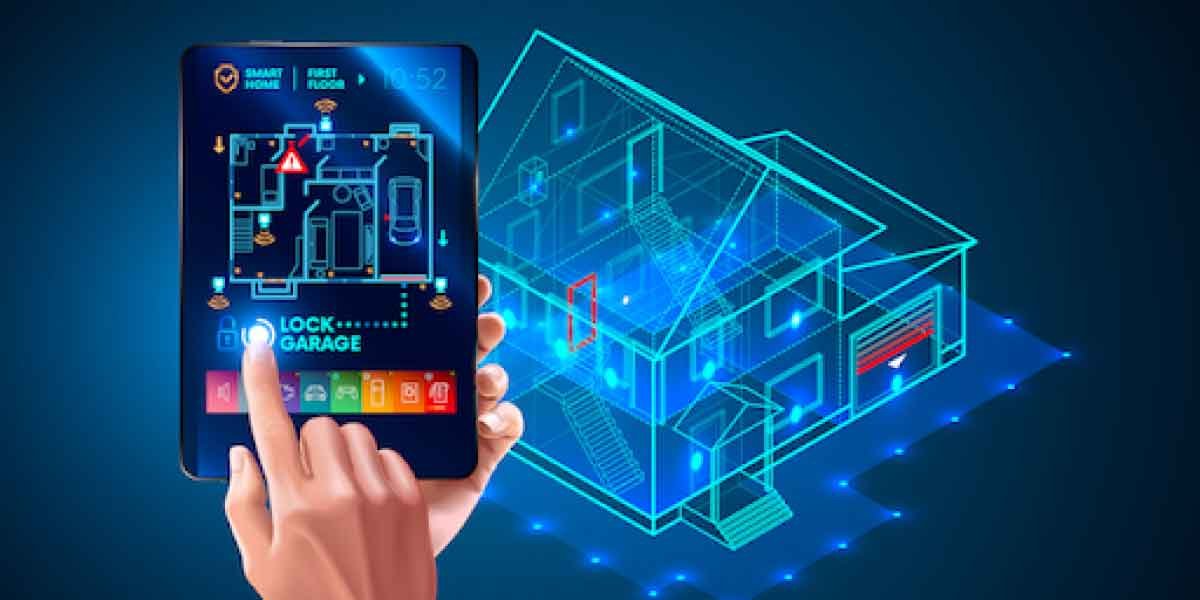

In the contemporary real estate landscape, the definition of a “modern home” has undergone a significant transformation. No longer defined solely by architectural style or square footage, the value of a residential property is increasingly tied to its technological infrastructure. Smart home technology—encompassing everything from automated climate control and intelligent security systems to integrated lighting and energy management—has transitioned from a luxury amenity to a fundamental driver of property value. For homeowners and property investors, understanding the financial implications of these technologies is essential for maximizing return on investment (ROI) and ensuring long-term marketability. This article explores the multifaceted impact of smart home technology on residential property value, focusing on the role of efficiency, security, and the evolving expectations of modern buyers.
Table of Contents
ToggleThe Shift Toward Tech-Enabled Residential Assets
The primary objective of integrating smart technology into a residential property is to improve the quality of life for its occupants while simultaneously reducing operational costs, notes the KRS Lynchburg Bedford County Team. In a competitive market, a tech-enabled home stands out by offering a level of convenience and control that traditional properties cannot match. This differentiation is a key factor in determining the final appraisal value and the speed at which a property sells or leases.
| Smart Technology Category | Primary Value Driver | Impact on Marketability |
| Energy Management | Reduced utility costs and sustainability | High (appeals to eco-conscious buyers) |
| Integrated Security | Enhanced safety and peace of mind | High (critical for urban environments) |
| Home Automation | Improved convenience and lifestyle | Moderate to High (luxury appeal) |
| Infrastructure | Future-proofing and connectivity | Essential (foundation for all tech) |
By investing in a robust technological framework, property owners can ensure their assets remain relevant in an increasingly digital world.
Energy Efficiency and the Financial Benefits of Automation
One of the most direct ways smart home technology increases property value is through improved energy efficiency. Smart thermostats, for example, use advanced algorithms to learn the habits of occupants and optimize heating and cooling schedules. This not only reduces the environmental footprint of the home but also leads to significant savings on monthly utility bills.
“The value of a home is no longer just about its physical structure; it is about the intelligence embedded within its walls. Smart technology provides a measurable return through efficiency and security.”
For potential buyers, the prospect of lower ownership costs is a powerful incentive. A property that can demonstrate a history of reduced energy consumption through automated systems is often appraised at a premium. Furthermore, the integration of smart lighting and automated blinds can further enhance these savings, creating a cohesive energy management ecosystem that adds tangible value to the asset.
Security Innovations and Resident Peace of Mind
Security remains a top priority for homeowners, and smart technology has revolutionized how residential properties are protected. Integrated security systems—featuring high-definition cameras, smart locks, and motion-activated sensors—provide a level of surveillance and control that was previously unavailable to the average homeowner. The ability to monitor a property remotely via a smartphone app offers a sense of security that significantly enhances the property’s appeal.
From an appraisal perspective, a comprehensive security system is often viewed as a capital improvement. It reduces the risk of unauthorized access and property damage, which can lead to lower insurance premiums and a more stable investment. In many urban markets, advanced security features are no longer optional; they are a prerequisite for high-value residential transactions.
Future-Proofing and the Expectations of the Next Generation
As the next generation of homebuyers—primarily Millennials and Gen Z—enters the market, their expectations for home technology are significantly higher than previous generations. These buyers view smart home features as standard requirements rather than optional upgrades. A property that lacks basic smart infrastructure, such as high-speed connectivity and integrated controls, may be viewed as obsolete, leading to a decrease in market value.
Future-proofing a property involves more than just installing the latest gadgets; it requires a scalable infrastructure that can accommodate future technological advancements. This includes robust Wi-Fi networks, centralized hubs, and compatible hardware. By prioritizing these elements, property owners can protect their investment against technological obsolescence and ensure long-term value retention.
Conclusion: Technology as a Strategic Investment
In conclusion, the impact of smart home technology on residential property value is profound and multifaceted. By focusing on energy efficiency, security, and future-proofing, homeowners and investors can significantly enhance the marketability and financial performance of their assets. These technologies provide immediate benefits in terms of convenience and cost savings, while also ensuring the property remains competitive in a rapidly evolving market. As the integration of technology and real estate continues to deepen, the ability to provide a smart, connected living environment will remain a hallmark of successful property management and investment. Investing in smart home technology is a strategic decision that pays off through improved property value, reduced operational costs, and a superior resident experience.

Chase Durkish
Most Viewed