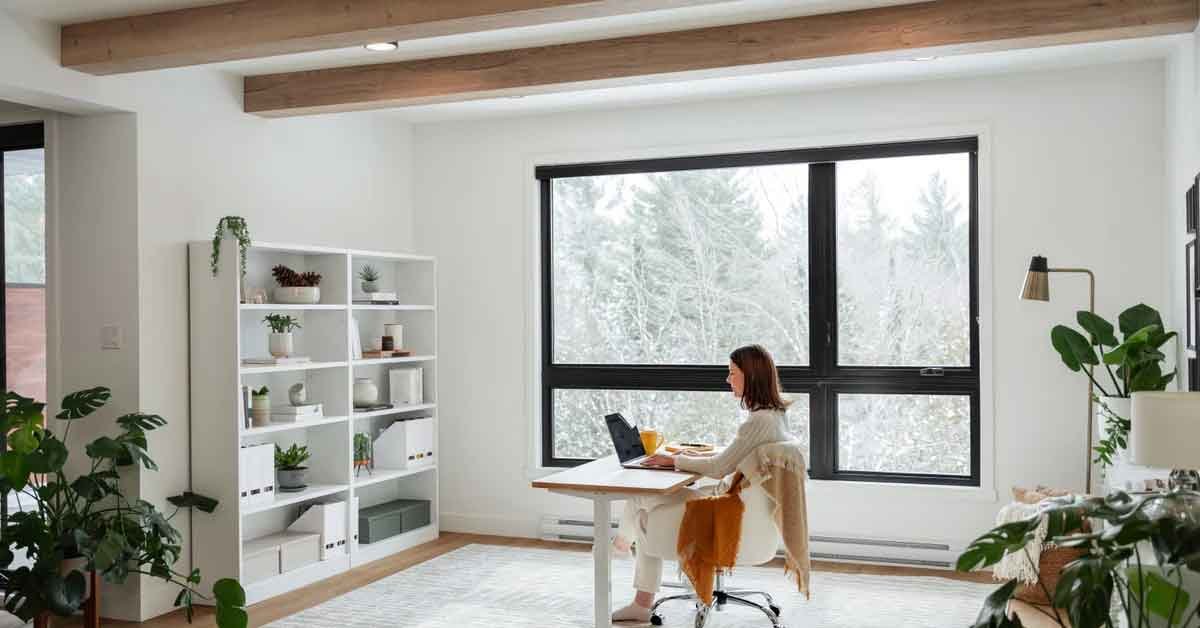

Creating an optimized remote workspace is essential for maintaining focus and efficiency in modern professional environments. A thoughtfully designed home office transforms a standard room into a high-performance zone that supports sustained concentration. By integrating ergonomic solutions and advanced digital infrastructure, professionals can significantly elevate their daily output. Strategic workspace optimization directly influences both physical well-being and career success.
Table of Contents
ToggleThe Shift Toward High-Performance Home Office Infrastructure
Modern remote work demands a sophisticated infrastructure that seamlessly blends physical comfort with digital reliability. Upgrading foundational elements like seating, internet connectivity, and environmental controls establishes a professional atmosphere conducive to deep work. This comprehensive approach ensures the workspace actively supports daily professional objectives.
The primary objective of optimizing a home office is to improve the quality of the work experience while simultaneously reducing distractions and stress. In a competitive market, a home with a high-performance office stands out by offering a level of productivity and comfort that traditional properties cannot match, notes Keyrenter Salt Lake Herriman Management. This differentiation is a key factor in determining the property’s marketability and long-term value.
Homeowners who invest in robust workspace infrastructure consistently report higher levels of job satisfaction and sustained daily output. The following table outlines the primary categories of workspace optimization and their direct impact on professional performance.
| Home Office Optimization Category | Primary Benefit | Impact on Productivity |
|---|---|---|
| Ergonomic Furniture | Reduces physical strain and fatigue | High (improved comfort) |
| High-Speed Connectivity | Provides reliable and fast internet | High (efficiency) |
| Smart Lighting | Improves focus and reduces eye strain | Moderate to High (well-being) |
| Soundproofing | Minimizes distractions and noise | High (concentration) |
By prioritizing high-performance home office infrastructure, professionals can ensure their workspaces remain relevant in an increasingly digital world.
Ergonomic Furniture and Physical Well-being
Ergonomic furniture is the cornerstone of a productive workspace, directly reducing physical fatigue and preventing long-term strain. High-quality seating and adjustable desks support natural posture, which maintains energy levels throughout the workday. Investing in physical comfort translates directly into extended periods of unbroken concentration.
A well-designed workstation requires specialized equipment like monitor arms and articulated keyboard trays to maintain optimal alignment. These components prevent the micro-strains that accumulate over hours of computer interaction. Proper physical support allows professionals to focus entirely on complex tasks rather than physical discomfort.
The integration of ergonomic principles creates a cohesive environment that actively promotes sustained health. A property featuring dedicated, health-conscious workspace infrastructure often holds higher appeal in the real estate market. This focus on physical well-being adds tangible, long-term value to the residential asset.
High-Speed Connectivity and Digital Efficiency
Reliable, high-speed connectivity is the critical lifeline of any remote professional environment, ensuring seamless digital interaction. A robust network eliminates frustrating delays during video conferences and accelerates large data transfers. Consistent internet performance is non-negotiable for maintaining professional credibility and operational efficiency.
A centralized digital hub requires more than just a basic router to handle modern professional workloads. Advanced networking hardware and dedicated bandwidth prioritization prevent household traffic from disrupting business communications. This technical foundation supports uninterrupted collaboration with global colleagues and clients.
By establishing a resilient digital infrastructure, professionals protect themselves against unexpected workflow interruptions. This proactive technical preparation fosters a reliable environment that enhances overall job performance. A stable connection is the invisible architecture that supports all modern remote operations.
Smart Lighting and Soundproofing for Focus
Intelligent lighting and acoustic control are vital for creating an environment that fosters deep cognitive focus. Programmable illumination reduces visual fatigue, while sound-dampening materials eliminate disruptive ambient noise. Together, these environmental controls construct a sensory sanctuary optimized for complex intellectual tasks.
Smart lighting systems adjust color temperature dynamically, mimicking natural daylight patterns to maintain alertness. Cooler, blue-toned light enhances concentration during peak morning hours, while warmer tones reduce strain in the late afternoon. This biological alignment prevents the typical mid-day energy slump experienced under harsh fluorescent bulbs.
Acoustic management utilizing specialized panels and heavy textiles creates a necessary barrier against household interruptions. A quiet environment lowers baseline stress levels and allows for rapid immersion into demanding projects. These sensory optimizations make the workspace exceptionally appealing to serious remote professionals.
The Evolution of Home Office Technology
The future of remote workspaces involves deeply integrated ecosystems that autonomously monitor and adjust the environment. Modern systems now track productivity metrics and environmental conditions, offering data-driven insights to optimize daily routines. This technological evolution transforms the home office into an active participant in professional success.
Advanced integration allows climate control, lighting, and security systems to operate cohesively based on occupancy and schedule. A connected workspace automatically prepares itself for the workday, eliminating manual adjustments. This seamless automation reduces friction and allows professionals to begin working immediately.
As remote work technology continues to advance, the emphasis will shift toward predictive environmental management. These sophisticated solutions will remain essential drivers of innovation in residential design. They offer a highly effective method for maximizing focus while minimizing energy consumption.
Conclusion: Home Office as a Strategic Investment
Optimizing a remote workspace represents a strategic investment in both professional output and overall well-being. By prioritizing ergonomics, connectivity, and environmental controls, individuals create a foundation for sustained career success. These targeted improvements deliver immediate practical advantages while enhancing the inherent value of the property.
The integration of high-performance infrastructure fundamentally changes the remote work experience. By thoughtfully addressing physical and digital needs, professionals cultivate an atmosphere of efficiency and comfort. This comprehensive approach to workspace design is a critical component of modern professional sustainability.
Frequently Asked Questions
What is the most important element of a home office?
Ergonomic furniture, particularly a highly adjustable chair, is the most critical element, as it prevents physical strain and supports sustained focus during long work sessions.
How does smart lighting improve productivity?
Smart lighting adjusts color temperature throughout the day to align with natural circadian rhythms, reducing eye strain and maintaining consistent energy levels.
Are soundproofing panels effective for remote work?
Yes, acoustic panels and sound-dampening materials significantly reduce ambient noise and echo, creating a quieter environment that enhances concentration and improves audio quality during calls.
Why is a dedicated network setup necessary?
A dedicated network setup prevents household internet traffic from interfering with professional tasks, ensuring stable video conferences and rapid data transfers.
Does a home office increase property value?
Properties featuring well-designed, high-performance remote workspaces are increasingly desirable, often commanding a premium in the modern real estate market.

Chase Durkish
Most Viewed