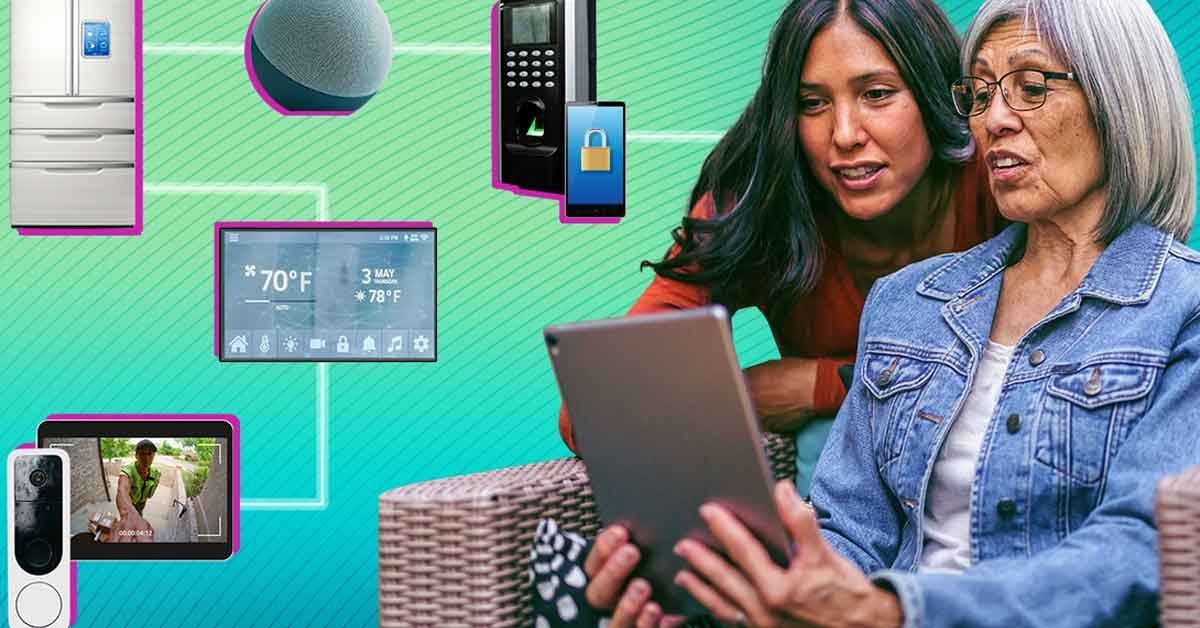

The modern household relies heavily on intelligent technology to maintain comfort and efficiency. Understanding the lifecycle of smart home appliances and devices transforms a standard living space into an optimized environment. This knowledge prevents unexpected failures and maximizes the return on investment for high-tech household systems. Proper maintenance strategies ensure these sophisticated tools continue to deliver seamless automation.
Table of Contents
ToggleThe Philosophy of Smart Home Appliance Lifecycle
Smart home appliances require proactive management to function optimally throughout their intended lifespan. Regular maintenance, software updates, and timely part replacements form the core of this lifecycle philosophy. Implementing a structured care routine significantly extends the operational duration of intelligent household devices.
The primary objective of understanding the lifecycle of smart home appliances and devices, notes Keyrenter Silicon Valley experts, is to ensure their long-term performance and reliability while simultaneously reducing the risk of downtime and costly repairs. In a competitive market, a home with well-maintained smart home appliances stands out by offering a level of convenience and control that traditional properties cannot match. This differentiation is a key factor in determining the property’s marketability and long-term value.
Homeowners who adopt a structured lifecycle approach report fewer emergency repair incidents and lower annual maintenance costs. The table below summarizes the primary lifecycle stages and their performance impact across four major appliance categories.
| Smart Home Appliance Category | Primary Lifecycle Stage | Impact on Performance |
|---|---|---|
| Smart Refrigerators | Regular software updates and filter replacement | High (system stability) |
| Washing Machines | Regular cleaning and sensor calibration | High (efficiency) |
| Integrated Climate Control | Filter replacement and system inspections | Moderate to High (comfort) |
| Voice-Activated Assistants | Regular software updates and device reboots | High (connectivity) |
By prioritizing smart home appliance lifecycle management, homeowners can ensure their properties remain relevant in an increasingly digital world.
Regular Software Updates and Filter Replacement for Refrigerators
Intelligent refrigerators demand consistent software updates to maintain system stability and introduce new operational features. Simultaneously, regular filter replacements guarantee the appliance provides purified water and maintains optimal internal air quality. Combining digital and physical maintenance maximizes cooling efficiency and device longevity.
Digital maintenance is just as crucial as physical upkeep for modern cooling systems. Manufacturers frequently release firmware patches that resolve bugs and enhance energy efficiency. Installing these updates promptly prevents software-related malfunctions that could compromise food preservation.
Physical components, particularly filtration mechanisms, require scheduled attention to function correctly. Clogged filters force the appliance to work harder, which increases energy consumption and accelerates wear on internal parts. Replacing these elements at recommended intervals ensures the system operates within its designed parameters.
Regular Cleaning and Sensor Calibration for Washing Machines
Smart washing machines rely on precise sensor data to determine optimal water levels and cycle durations. Routine cleaning prevents residue buildup that can obscure these sensors, while periodic calibration ensures the data collected remains highly accurate. This dual approach guarantees peak washing performance and fabric care.
Intelligent laundry systems utilize complex sensor networks to analyze load size and soil levels. When detergent residue or mineral deposits coat these sensors, the machine may apply incorrect settings. Maintaining a pristine internal environment allows the appliance to make accurate automated decisions consistently.
Calibration procedures verify that the internal diagnostic tools are interpreting physical conditions correctly. This technical maintenance step prevents the system from overworking its mechanical components. A well-calibrated machine operates with maximum efficiency and minimal mechanical strain.
Filter Replacement and System Inspections for Climate Control
Integrated climate control systems necessitate frequent filter changes to ensure optimal air circulation and environmental health. Comprehensive system inspections identify potential mechanical issues before they escalate into major failures. This rigorous maintenance schedule maintains a consistent and comfortable indoor atmosphere year-round.
Airflow restrictions caused by saturated filters force climate systems to consume excess power. This not only elevates operational costs but also degrades internal mechanisms faster than normal wear patterns. Maintaining clean filtration pathways is the most effective method for preserving overall system health.
Professional inspections evaluate the complex network of sensors and communication modules within the climate network. Technicians can identify connectivity issues or hardware degradation that standard automated diagnostics might miss. These evaluations ensure the entire network responds accurately to real-time environmental changes.
The Evolution of Smart Home Appliance Technology
The trajectory of intelligent household technology points toward autonomous diagnostics and predictive maintenance capabilities. Advanced systems now detect early signs of component fatigue before visible failures occur, alerting users to schedule preemptive service. This evolution shifts appliance management from a reactive chore to a streamlined, data-driven process.
Integration capabilities continue to expand, allowing different devices to share diagnostic data across a unified platform. A connected ecosystem can adjust overall household energy consumption based on the real-time maintenance status of individual units. This holistic approach to appliance management represents the next frontier of domestic technology.
As manufacturers develop more sophisticated machine-learning algorithms, the manual burden of maintenance will continue to decrease. Devices are increasingly capable of initiating service requests or ordering replacement components autonomously. This advancement will further simplify the user experience and extend hardware operational lifespans considerably.
Conclusion: Lifecycle Management as a Strategic Tool
Implementing a comprehensive lifecycle management strategy for intelligent appliances is essential for modern household efficiency. Prioritizing routine maintenance, digital updates, and component replacement ensures these sophisticated systems operate at peak performance. This strategic approach minimizes unexpected costs and maximizes the utility of high-tech domestic investments over the long term.
The integration of proactive care routines fundamentally transforms how individuals interact with their living spaces. By understanding the specific needs of each device, users create a more reliable and comfortable environment. This methodology represents a meaningful shift in how households approach technology stewardship.
Frequently Asked Questions
What is the average lifespan of a smart home appliance?
Most intelligent household devices are designed to operate for ten to fifteen years, provided they receive consistent software updates and scheduled physical maintenance throughout their service life.
How often should software updates be installed on smart appliances?
Firmware patches and system updates should be installed promptly upon release to ensure optimal security, energy efficiency, and operational performance.
Can regular maintenance prevent all hardware failures in smart devices?
While proactive care significantly reduces the likelihood of malfunctions, it cannot entirely eliminate the possibility of component degradation that occurs naturally over extended periods of use.
What happens if smart home appliance maintenance is neglected?
Neglected maintenance leads to reduced efficiency, increased energy consumption, and a higher probability of sudden hardware failures. Unpatched software also creates potential security vulnerabilities within the connected home network.
Are smart appliances more expensive to maintain than traditional ones?
The overall cost of maintaining intelligent appliances is comparable to traditional models when a consistent maintenance schedule is followed. Proactive care reduces the frequency and severity of costly emergency repairs, often resulting in lower total lifecycle expenses.

Chase Durkish
Most Viewed