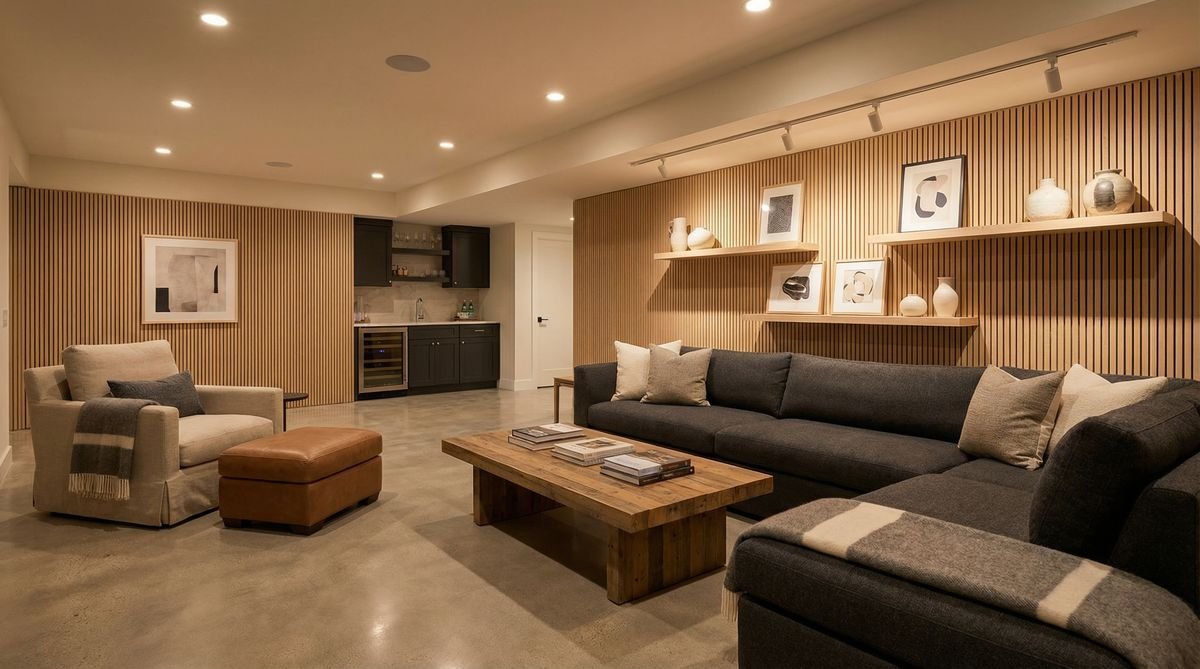

Imagine stepping into a prospective new home and discovering a sprawling, subterranean level just waiting to be utilized. The immediate rush of possibilities—a home theater, a quiet office, or simply a massive storage area—is undeniable. Yet, beneath the surface appeal lies a complex reality of maintenance, moisture, and hidden costs that every buyer must navigate, notes a leading property management Moore OK company. Understanding the pros and cons of buying a house with a basement is essential for making an informed investment.
The Allure of the Underground: Key Advantages of a Basement Home
Answer Capsule: The primary advantages of buying a house with a basement include significantly increased living space without expanding the home’s footprint, ample storage capacity, and enhanced property value. Basements also offer a naturally insulated environment and can serve as safe havens during severe weather events.
The most immediate benefit of a basement is the sheer volume of additional space it provides. For growing families or those needing dedicated work-from-home areas, a finished basement offers a versatile solution without the need for costly additions. This extra square footage can be transformed into anything from a guest suite to a personal gym, adapting to your changing lifestyle needs over time.
Even an unfinished basement holds immense value as a storage powerhouse. It provides a dedicated area for seasonal items, bulk purchases, and mechanical systems, keeping the main living areas uncluttered. Furthermore, homes with basements often command higher resale values, particularly in regions where they are highly sought after by buyers looking for maximum utility.
Beyond the Surface: Understanding Common Basement Challenges
Answer Capsule: Common challenges associated with basements include a high susceptibility to moisture, flooding, and mold growth due to their subterranean nature. They also tend to lack natural light, can attract pests, and may conceal underlying foundation or structural issues that require costly repairs.
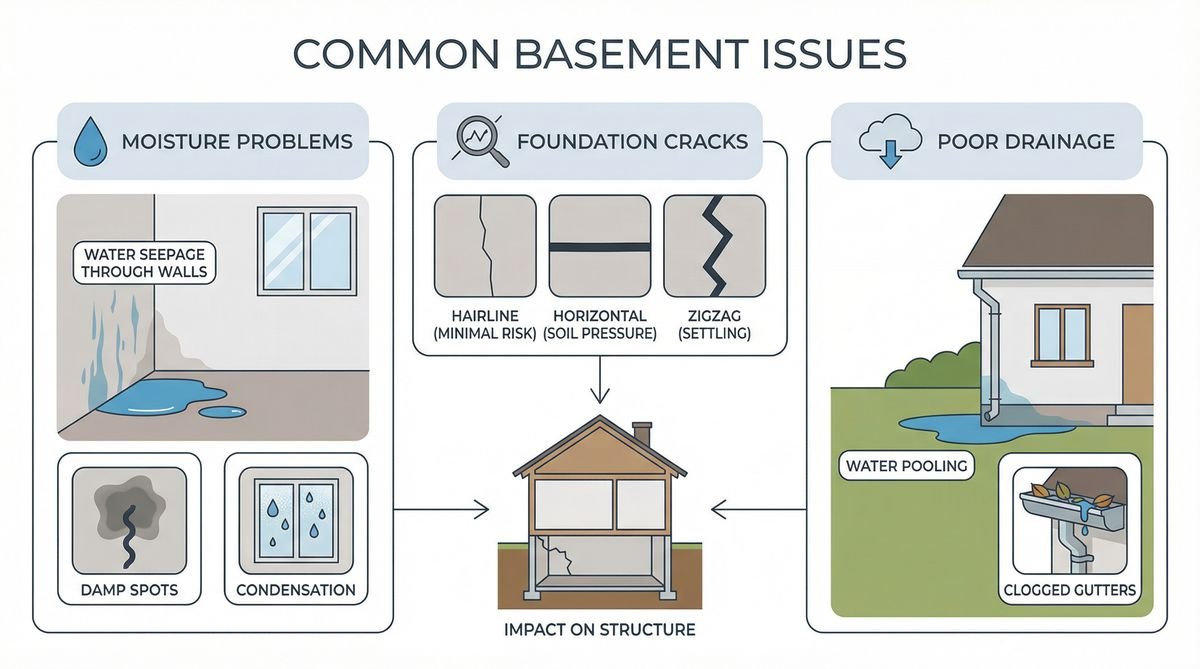
The subterranean location of a basement makes it inherently vulnerable to water intrusion. Whether from heavy rainfall, poor drainage, or rising groundwater, moisture is a persistent threat that can lead to significant damage. This damp environment is also a breeding ground for mold and mildew, which can compromise indoor air quality and pose health risks if left unchecked.
Another significant drawback is the lack of natural light, which can make the space feel dark and uninviting. While egress windows or walk-out designs can mitigate this, many traditional basements rely heavily on artificial lighting. Additionally, the cool, damp conditions can attract various pests, requiring vigilant pest control measures to maintain a clean and healthy environment.
The Hidden Costs: Long-Term Maintenance and Energy Efficiency
Answer Capsule: Owning a basement involves ongoing maintenance costs, such as operating dehumidifiers and servicing sump pumps, to prevent moisture damage. Additionally, basements can impact energy efficiency, requiring proper insulation and climate control to avoid increased utility bills from heating or cooling the subterranean space.
The financial commitment of a basement extends far beyond the initial purchase price or finishing costs. Maintaining a dry and healthy environment often requires the continuous operation of dehumidifiers, which can noticeably increase monthly electricity bills. Sump pumps, essential for preventing floods, also require regular maintenance and occasional replacement to ensure they function correctly during critical moments.
Energy efficiency is another crucial consideration. An uninsulated or poorly sealed basement can act as a thermal drain, pulling heat from the upper levels during winter and allowing cool air to escape during summer. Proper insulation and climate control are necessary to integrate the basement into the home’s overall thermal envelope, which may require upfront investment but yields long-term savings.
Basement Types and Their Unique Considerations
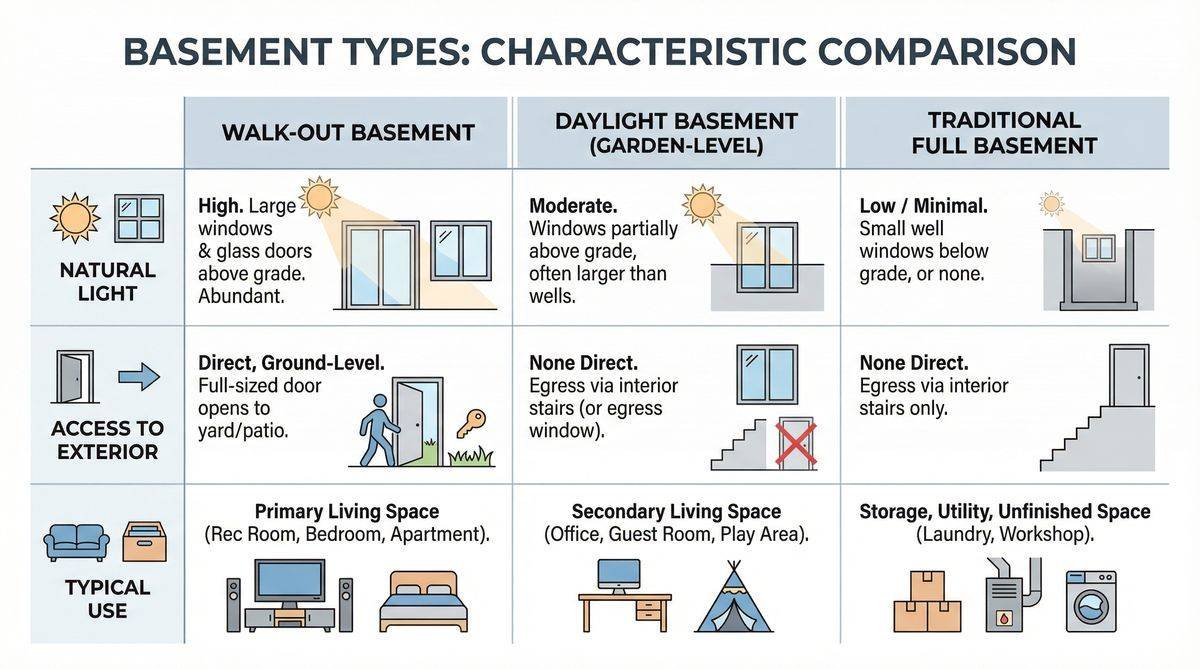
Answer Capsule: Different basement types offer varying benefits and drawbacks. Walk-out basements provide natural light and direct exterior access, making them ideal for living spaces. Daylight basements offer partial light, while traditional full basements are entirely subterranean, maximizing storage but requiring extensive artificial lighting and moisture control.
Not all basements are created equal, and the specific type can significantly influence its utility and potential issues. Walk-out basements, built on sloped lots, offer the distinct advantage of full-size windows and doors leading directly outside. This design maximizes natural light and ventilation, making it the most desirable option for creating comfortable, integrated living spaces.
Daylight basements, partially above ground, offer a compromise with smaller windows that provide some natural light but limited access. Traditional full basements, entirely below grade, are the most common but present the greatest challenges regarding light and moisture. Understanding these distinctions helps buyers assess the true potential and necessary upkeep of the space.
Maximizing Value: Basements and Your Home’s Return on Investment
Answer Capsule: A finished basement can yield a strong return on investment, often recovering a significant portion of the finishing costs upon resale. It increases the home’s usable square footage and market appeal, making it a competitive asset in real estate markets where buyers prioritize versatile living spaces.
Investing in a basement finish is often a strategic financial decision. While the upfront costs can be substantial, the resulting increase in livable square footage directly translates to a higher property valuation. Buyers are frequently willing to pay a premium for homes that offer move-in-ready, expanded living areas, making a finished basement a strong selling point.
However, the return on investment depends heavily on the quality of the finish and the local real estate market. A poorly executed remodel or one that fails to address underlying moisture issues can actually detract from the home’s value. It is crucial to ensure that any finishing work is done professionally, with proper permits and a focus on long-term durability.
Navigating the Risks: Insurance and Inspection Insights
Answer Capsule: Purchasing a home with a basement requires a thorough professional inspection to identify hidden structural or moisture issues. Additionally, buyers must carefully review their homeowner’s insurance policies, as standard coverage often excludes flood or water backup damage, necessitating specialized endorsements for adequate protection.
A comprehensive home inspection is non-negotiable when considering a property with a basement. Inspectors can identify subtle signs of foundation settling, water intrusion, or inadequate drainage that an untrained eye might miss. Discovering these issues before closing allows buyers to negotiate repairs or adjust their offer, preventing costly surprises down the line.
Insurance considerations are equally critical. Standard homeowner’s policies typically do not cover damage caused by groundwater flooding or sewer backups, which are common basement risks. Buyers must proactively seek out specific endorsements or separate flood insurance policies to ensure their investment is fully protected against these potentially devastating events.
Expert Insights: Addressing Common Basement Issues
Answer Capsule: Addressing basement issues requires proactive measures and professional expertise. Solutions range from simple exterior grading and gutter maintenance to complex interior waterproofing systems, sump pump installations, and foundation reinforcements, ensuring the space remains dry, structurally sound, and safe for long-term use.
Preventative maintenance is the most effective strategy for managing basement risks. Simple actions like ensuring gutters are clear and extending downspouts away from the foundation can significantly reduce water pressure against the basement walls. Proper exterior grading, sloping the soil away from the home, is another fundamental step in directing water away from vulnerable areas.
When issues do arise, professional intervention is often necessary. Interior waterproofing systems, such as French drains and sump pumps, are highly effective at managing water that has already breached the foundation. For structural concerns like bowing walls or significant cracks, specialized contractors can implement solutions like carbon fiber strapping or steel reinforcements to restore integrity.
What are the main advantages of having a basement?
The primary advantages include significantly increased living space without expanding the home’s footprint, ample storage capacity, and enhanced property value. Basements also offer a naturally insulated environment and can serve as safe havens during severe weather events.
What are the common problems associated with basements?
Common challenges include a high susceptibility to moisture, flooding, and mold growth due to their subterranean nature. They also tend to lack natural light, can attract pests, and may conceal underlying foundation or structural issues that require costly repairs.
How do basements affect home value and resale?
A finished basement can yield a strong return on investment, often recovering a significant portion of the finishing costs upon resale. It increases the home’s usable square footage and market appeal, making it a competitive asset in real estate markets where buyers prioritize versatile living spaces.
What are the costs involved in finishing a basement?
Finishing a basement involves significant upfront costs, which vary widely based on the size, materials, and complexity of the project. However, it adds livable square footage to the home, and a substantial portion of the project cost is typically recovered when it is time to sell.
How can basement moisture and mold be prevented or addressed?
Prevention involves proper exterior grading, maintaining gutters, and using dehumidifiers. Addressing existing issues may require professional waterproofing systems, such as French drains and sump pumps, along with mold remediation services to ensure a safe environment.
Is a finished basement a good investment?
Yes, a finished basement is generally considered a good investment as it increases usable square footage and property value. However, the return depends on the quality of the finish, the local market, and ensuring that any underlying moisture or structural issues are fully resolved.
References
Answer Capsule: The following sources from real estate and home improvement authorities provide the data, expert perspectives, and market analysis that underpin the pros, cons, and financial considerations discussed throughout this article on buying a house with a basement.
- Plain text citation: The Pros & Cons of Having a Basement: What You Can Do to Address Common Problems, Berkshire Hathaway HomeServices
- Plain text citation: Pros & Cons of a Finished Basement for Home-Buying, Progressive Builders
- Plain text citation: Pros and Cons of Basements, Station Cities
- Plain text citation: What to Know Before Buying a Home with a Basement, Ruoff Mortgage
- Plain text citation: Is a Home With a Finished Basement a Good Idea?, Ecohome

Most Viewed