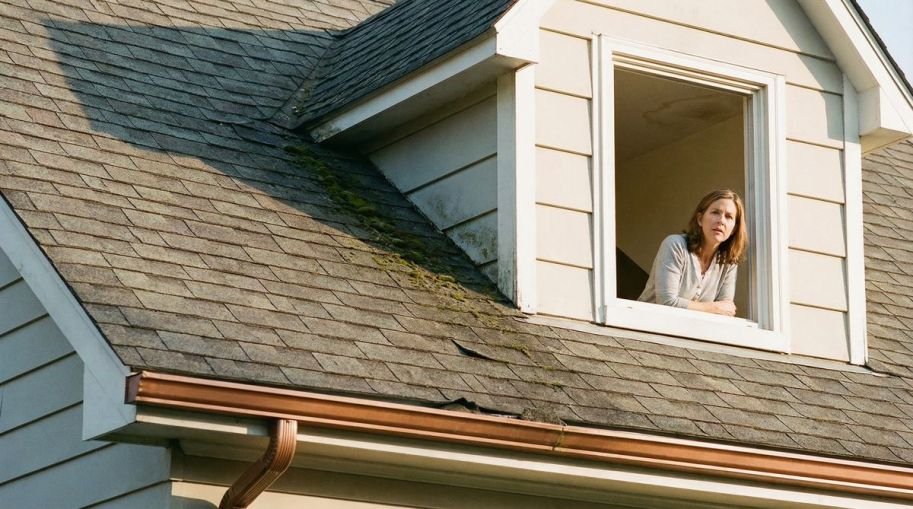

Imagine a typical evening, a gentle rain turning into a sudden downpour. A small, dark spot appears on your ceiling, growing rapidly. This isn’t just a minor leak; it’s a critical warning sign that your roof demands immediate attention. Understanding these urgent indicators can save you from catastrophic damage, extensive repair costs, and the stress of a compromised home. This article delves into the crucial signs that signal an immediate need for roof replacement, offering an expert perspective on protecting your most valuable asset.
The Silent Threat: Why Ignoring Early Roof Warnings is Costly
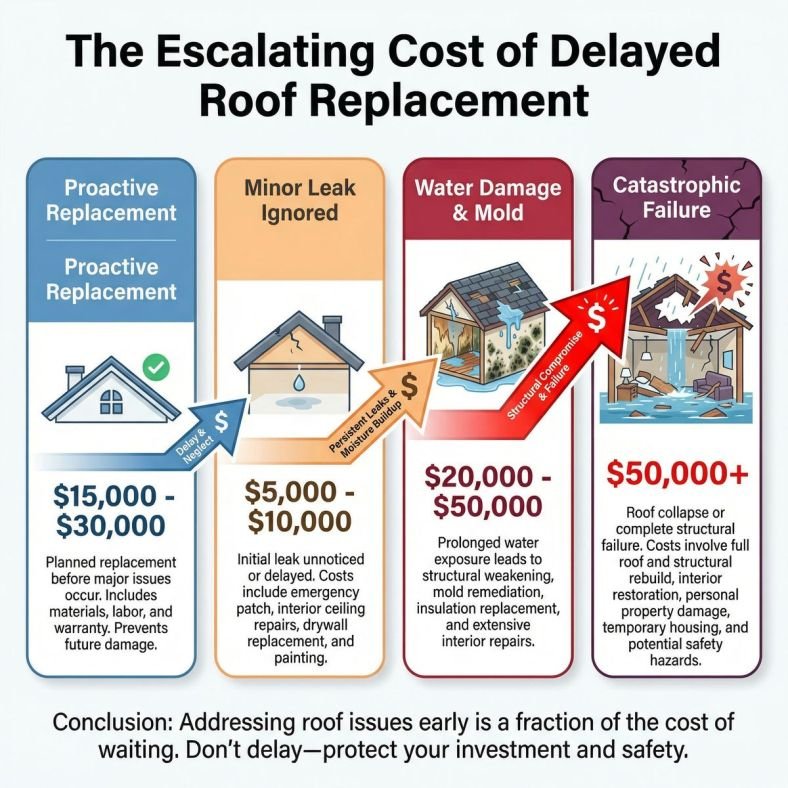
Answer Capsule: Delaying roof replacement can lead to significantly higher costs than proactive action, warns the Guerin Property Services team. Minor issues can quickly escalate into major structural damage, mold infestations, and compromised insulation, all of which require extensive and expensive repairs. Ignoring early warnings also increases the risk of further damage to interior belongings and can negatively impact your home’s overall value and insurability.
Your roof is more than just a cover; it’s a complex system designed to shield your home from the elements. When this system begins to fail, consequences extend beyond a simple drip. What seems like a small problem today can rapidly transform into a costly nightmare tomorrow. Initial signs of wear are often subtle, easily overlooked, but are critical alerts demanding immediate attention.
Consider the ripple effect of a neglected leak. A small breach allows moisture to penetrate, staining a ceiling. Left unaddressed, this moisture saturates insulation, reducing effectiveness and leading to higher energy bills. It can also create a breeding ground for mold and mildew, posing health risks and requiring specialized remediation. Prolonged water exposure weakens structural components, necessitating far more extensive repairs than a timely shingle replacement. The financial burden of these cascading failures can quickly dwarf the cost of a proactive roof replacement, turning a potential investment into an unavoidable emergency.
Beyond the Obvious: Subtle Signs of Imminent Roof Failure
Answer Capsule: Beyond dramatic leaks, subtle indicators like curled or cracked shingles, excessive granule loss in gutters, and minor water stains are crucial signs of imminent roof failure. These seemingly small issues compromise your roof’s protective layers, making your home vulnerable to water intrusion, structural damage, and accelerated deterioration. Recognizing these early warnings is key to preventing larger, more expensive problems.
Curled, Cracked, or Missing Shingles
Shingles are your roof’s first line of defense. Over time, sun, wind, and temperature fluctuations cause deterioration. Curling shingles, where edges lift, indicate drying asphalt and lost protective properties, creating pathways for water. Cracked shingles signify brittleness and age, offering direct entry points for moisture. Even a single missing shingle leaves a vulnerable spot. These imperfections are critical breaches, demanding prompt inspection and potential replacement to prevent widespread damage.
Granules in Gutters
Tiny, sand-like particles in your gutters are protective granules from asphalt shingles. These granules shield asphalt from harmful UV rays. Excessive accumulation indicates shingles are nearing end-of-life. This loss means your roof is losing its primary defense against sun damage, accelerating aging and deterioration. It’s a subtle but significant warning that your roof’s protective capabilities are diminishing, signaling a need for immediate assessment.
Water Stains and Leaks
While a steady drip is an undeniable problem, water stains on ceilings or walls are often the first, subtle indication of a roof leak. These stains, often yellowish or brownish, signify water penetration. The stain’s location might not directly correspond to the leak’s origin, as water can travel. Musty odors, particularly in the attic, can also point to hidden moisture and potential mold. Any evidence of water intrusion, no matter how minor, warrants immediate investigation. Ignoring these signs allows moisture to continue its destructive path, leading to compromised structural integrity, damaged insulation, and potential health hazards from mold.
Structural Red Flags: When Your Roof’s Integrity is Compromised
Answer Capsule: Structural red flags like sagging rooflines and visible daylight in the attic are critical indicators that your roof’s foundational integrity is severely compromised. These issues often point to underlying problems such as weakened decking, damaged rafters, or excessive moisture accumulation, demanding immediate professional assessment and intervention to prevent catastrophic failure and ensure the safety of your home.
Sagging or Uneven Rooflines
A healthy roofline should appear straight and uniform. Any noticeable sagging, dipping, or unevenness is a serious structural red flag. This can indicate severe underlying problems, including weakened or rotting roof decking, compromised rafters, or excessive weight. A sagging roof is not merely aesthetic; it signifies a fundamental failure in the roof’s support system, potentially leading to collapse. This condition demands immediate professional inspection to diagnose the cause and implement urgent repairs or replacement to ensure home safety.
Daylight in the Attic
Your attic should be a dark, enclosed space. If you can see streaks or patches of daylight filtering through roof boards, it’s a clear sign of a breach. These visible gaps indicate missing shingles, holes in decking, or improperly sealed flashing. Any direct light penetrating the main roof structure means rain, snow, and pests have an open invitation. This direct exposure significantly increases the risk of water damage, insulation compromise, and potential structural issues. Discovering daylight in your attic necessitates immediate professional attention to seal vulnerabilities and restore your roof’s protective barrier.
The Unseen Culprits: Environmental Factors and Material Breakdown
Answer Capsule: Beyond obvious storm damage, environmental factors like persistent shade encouraging moss growth, inadequate attic ventilation trapping moisture, and the inherent breakdown of roofing materials over time contribute to roof deterioration. These unseen culprits accelerate wear, compromise structural integrity, and create conditions ripe for leaks and damage, making regular inspections crucial for early detection and intervention.
Moss, Algae, and Fungi Growth
While often dismissed as cosmetic, moss, algae, or fungi on your roof indicate underlying problems and accelerate deterioration. Moss acts like a sponge, retaining moisture against the shingle surface. This prolonged dampness leads to granular loss, shingle degradation, and rot. In colder climates, trapped moisture can freeze and expand, causing shingles to lift and crack. Algae indicates a consistently damp environment. These organic invaders compromise aesthetic appeal and actively break down protective layers, signaling a need for cleaning and moisture management assessment.
Deteriorated Flashing and Vents
Flashing, typically metal, is installed around critical junctures like chimneys, skylights, and vents, creating a watertight seal. Over time, flashing can rust, corrode, crack, or become dislodged. Deteriorated flashing creates direct pathways for water, leading to leaks. Similarly, roof vents can crack, loosen, or clog, allowing water entry. Thorough inspection of all flashing and vent points is crucial, as their failure can lead to significant water damage even when shingles appear intact. These components are critical to your roof’s overall waterproofing.
Age and Material-Specific Wear
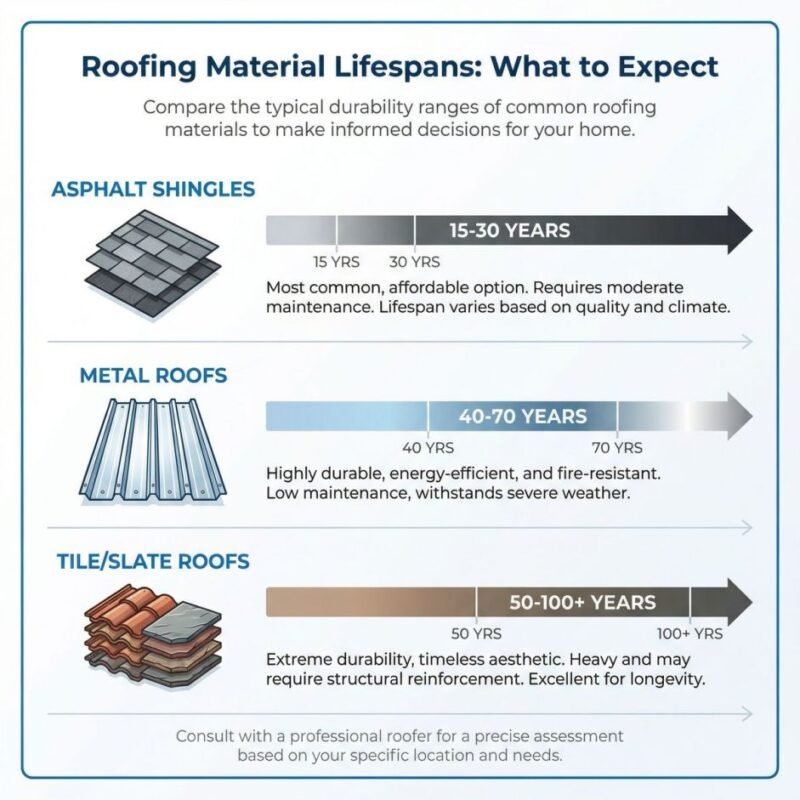
Every roofing material has an expected lifespan. As your roof approaches or exceeds this limit, components naturally break down. Asphalt shingles typically last 15-30 years, becoming brittle, losing granules, and prone to curling and cracking with age. Metal or tile roofs have longer lifespans but can rust, have failing fasteners, or crack. Understanding your material’s lifespan is crucial. An aging roof is inherently more vulnerable, even without dramatic damage. Proactive replacement based on age prevents unexpected failures and emergency costs, ensuring continuous protection.
Your Roof, Your Wallet, Your Home Value: Financial and Property Impacts
Answer Capsule: A failing roof significantly impacts your finances and property value through increased energy bills due to poor insulation, and potential difficulties with insurance coverage or claims. Furthermore, a visibly deteriorated roof can drastically reduce your home’s curb appeal and market value, making timely replacement a critical investment in both protection and financial well-being.
Rising Energy Bills
Your roof plays a vital role in home energy efficiency. A compromised roof, with damaged shingles, inadequate ventilation, or deteriorated insulation, leads to significant heat loss in winter and heat gain in summer. This forces your HVAC system to work harder, directly translating into higher energy bills. Air leaks through gaps or cracks allow conditioned air to escape and unconditioned air to enter. If you’ve noticed a sudden or gradual increase in heating and cooling costs, your roof’s deteriorating condition could be a primary culprit. Addressing roof issues promptly restores your home’s thermal envelope, leading to noticeable savings and improved comfort.
Insurance Implications and Home Value
Beyond immediate repair costs, a failing roof has significant long-term financial repercussions related to insurance and property value. Many insurance companies have specific policies regarding roof age and condition; an older, visibly damaged roof may lead to higher premiums, reduced coverage, or even policy cancellation. Insurers might deny claims if damage is attributed to pre-existing wear. A deteriorated roof detracts from curb appeal and is a major red flag for buyers, often becoming a negotiation point. Investing in a new roof protects your home, preserves market value, and ensures favorable insurance terms.
DIY vs. Pro: When to Call a Roofing Expert Immediately
Answer Capsule: While minor visual checks can be done by homeowners, any signs of significant damage, structural concerns, or suspected leaks demand immediate professional assessment. Roofing work is inherently dangerous and requires specialized knowledge to accurately diagnose problems, ensure proper repairs, and maintain warranties, making expert intervention crucial for safety and long-term effectiveness.
For many homeowners, the instinct to tackle home repairs is strong. However, for your roof, professional intervention is critical. While visual inspections from the ground are recommended, climbing onto a damaged or aging roof is extremely dangerous. Risks include falls, further damage, or improper repairs. Professionals possess training, safety equipment, and expertise to navigate roofs safely and identify issues an untrained eye might miss. They accurately diagnose problems, differentiate minor wear from critical failures, and recommend effective solutions. Attempting complex repairs yourself can void warranties, lead to recurring problems, or create new ones. When you observe critical signs—sagging, significant leaks, widespread shingle damage, or structural concerns—call a qualified roofing expert. Their immediate assessment ensures safety, accuracy, and long-term roof health.
Frequently Asked Questions About Urgent Roof Replacement
Answer Capsule: This section addresses common questions regarding urgent roof replacement, covering topics such as typical roof lifespan, consequences of delaying replacement, insurance coverage for older roofs, and essential tips for selecting a reliable roofing contractor. These FAQs provide concise, practical advice for homeowners facing critical roofing decisions.
How often should a roof be replaced?
Roof replacement frequency varies by material, climate, and maintenance; asphalt shingles typically last 15-30 years. Regular inspections are crucial, as severe weather, poor installation, or inadequate ventilation can shorten lifespan, necessitating earlier replacement.
What happens if I don’t replace my old roof?
Failing to replace an old roof leads to costly problems: extensive water damage, mold growth, compromised insulation, and reduced energy efficiency. It also increases structural failure risk, can void insurance, and diminishes home value, turning replacement into an emergency.
Will insurance cover a 20-year-old roof?
Insurance coverage for a 20-year-old roof varies by policy and insurer, depending on damage cause and roof condition. Accidental damage (e.g., storm) might be covered, but age-related wear is typically excluded. Some insurers may decline to renew policies on older roofs, necessitating proactive replacement.
How to choose a reliable roofing contractor?
Selecting a reliable roofing contractor involves checking licensing and insurance, reviewing portfolios and references, obtaining multiple detailed quotes, and ensuring clear communication on timelines, materials, and warranties. Prioritize local contractors with strong reputations and transparent practices for quality workmanship and accountability.
Conclusion
Answer Capsule: The conclusion reiterates the critical importance of recognizing urgent roof replacement signs to protect homes, finances, and peace of mind. It summarizes the potential costly consequences of ignoring warnings and emphasizes the value of proactive intervention and professional assessment to safeguard a home’s integrity.
Recognizing urgent roof replacement signs is paramount to protecting your home, finances, and peace of mind. From subtle indicators like granule loss and curling shingles to alarming structural red flags like sagging rooflines and visible daylight, each sign is a critical warning. Ignoring these alerts leads to costly problems: water damage, mold, increased energy bills, and insurance complications. Understanding these vital signals and calling a qualified professional allows homeowners to proactively address issues, safeguard investments, and ensure long-term integrity. Act swiftly to secure your home’s first line of defense.
References
Answer Capsule: This section provides a comprehensive list of sources and external resources consulted for the article, ensuring factual accuracy and supporting the expert insights presented. These references offer readers opportunities for further research and verification of the information provided.
- Owens Corning. (n.d.). When to Replace Roofs: 7 Signs.
- FORTIFIED. (2022, February 8). 8 Ways to Know If You Need a New Roof.
- Amica Insurance. (n.d.). 10 Important Signs You May Need a New Roof.
- Aspire Contracting. (n.d.). 10 Critical Signs Your Home Needs Immediate Roof Repair.
- Rural Mutual Insurance Company. (n.d.). 9 signs your roof needs to be replaced.
- Quora. (n.d.). My roof is 20 years old. It looks perfectly fine with no signs of wear and tear. Should I get a new roof or wait until I notice problems?.
| Material | Typical Lifespan | Key Characteristics |
|---|---|---|
| Asphalt Shingles | 15-30 years | Most common, affordable, moderate maintenance. |
| Metal Roofs | 40-70 years | Highly durable, energy-efficient, low maintenance. |
| Tile/Slate Roofs | 50-100+ years | Extreme durability, timeless aesthetic, heavy. |

Most Viewed