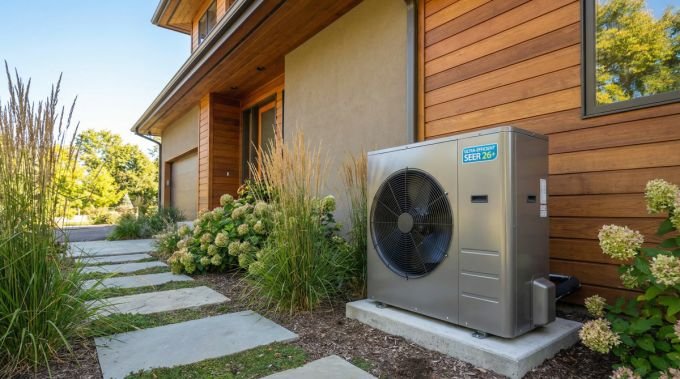

Accurate AC unit sizing involves calculating the precise cooling capacity needed for a building, typically measured in British Thermal Units (BTUs) or tons, to maintain comfortable indoor temperatures without excessive energy consumption or premature equipment wear. This crucial step in AC unit sizing prevents issues like short-cycling, inadequate dehumidification, and higher utility bills, ensuring the system operates effectively and efficiently throughout its lifespan, notes Eastern Idaho Property Management professionals. Proper AC sizing is fundamental for long-term satisfaction and optimal home climate control.
An undersized air conditioner struggles to cool a space adequately, running continuously and failing to reach desired temperatures, leading to discomfort and increased energy usage. This highlights the critical role of accurate AC unit sizing. The constant strain on an undersized system can also lead to premature breakdowns and higher repair costs, making the initial investment less valuable. Conversely, an oversized unit cools too quickly, cycling on and off frequently without removing enough humidity, resulting in a clammy environment and potential mold growth, another consequence of improper AC sizing. This rapid cycling also wastes energy, shortens the unit’s lifespan, and contributes to higher operational costs.
Accurate AC unit sizing considers various factors beyond simple square footage, including local climate, insulation levels, window types and efficiency, ceiling height, and the number of occupants and heat-generating appliances, to determine the exact cooling load required for a home. Professional load calculations, such as those performed using the Manual J method, are essential for achieving optimal AC unit sizing, ensuring superior system performance, energy efficiency, and longevity.
Understanding Cooling Capacity and Its Importance
Cooling capacity, measured in BTUs per hour or tons, defines an AC system’s ability to remove heat, directly impacting its effectiveness in maintaining desired indoor temperatures and humidity. Matching this capacity to a home’s specific cooling load is paramount for achieving comfort and energy efficiency. This precise matching is a core component of effective AC unit sizing, preventing common problems associated with improperly sized units.
An AC unit’s cooling capacity is not merely about how powerful it is, but how well it aligns with the thermal characteristics of the conditioned space, a key consideration in AC unit sizing. This alignment ensures that the system can efficiently manage both temperature and humidity. Too much capacity leads to rapid cooling and short operational cycles, which are inefficient and fail to adequately dehumidify the air, creating an uncomfortable, damp feeling. Too little capacity means the unit runs constantly, struggling to meet the thermostat setting, leading to higher energy bills and reduced comfort, underscoring the need for precise AC sizing to avoid these common pitfalls.
The importance of understanding cooling capacity extends to the longevity of the equipment, directly tied to effective AC unit sizing. When an AC unit is correctly sized, it operates more smoothly and consistently, reducing wear and tear. An oversized unit experiences more frequent starts and stops, known as short-cycling, putting undue stress on components and potentially shortening its lifespan. An undersized unit, constantly running at maximum capacity, also wears out faster due to continuous operation under strain. Proper AC sizing ensures the system operates within its design parameters, promoting durability and reliable performance for many years.
Key Factors Influencing AC Sizing and Comparison of Methods
Critical factors influencing AC unit sizing include square footage, climate, insulation, window efficiency, ceiling height, and internal heat gains from occupants and appliances. Accurate assessment of these variables is essential for precise cooling load calculation, ensuring the selected AC system effectively and efficiently cools the space. This comprehensive approach to AC sizing is vital.
| Factor | Description | Impact on AC Size |
|---|---|---|
| Square Footage | The total conditioned living area of the home. | Larger areas require higher BTU capacity. |
| Climate Zone | Average outdoor temperatures and humidity levels. | Hotter, more humid climates demand greater cooling power. |
| Insulation & Sealing | Quality of wall, attic, and floor insulation, and air tightness. | Poor insulation increases heat gain, requiring more capacity. |
| Window Type & Orientation | Number, size, glazing, and direction of windows. | Large, south-facing, single-pane windows increase heat gain significantly. |
| Ceiling Height | Vertical distance from floor to ceiling. | Higher ceilings mean more air volume to cool, increasing BTU needs. |
| Occupancy & Appliances | Number of people and heat-producing appliances (e.g., oven, electronics). | Each person and appliance adds to the internal heat load. |
While basic rules of thumb, such as 20 BTUs per square foot, offer a rough estimate, they often lead to inaccurate AC unit sizing because they overlook crucial environmental and structural details. More precise methods, like the Manual J calculation, provide a comprehensive analysis by accounting for all heat gains and losses, delivering a tailored solution for optimal performance in AC sizing.
Comparing AC sizing methods reveals that simplified approaches risk either oversizing or undersizing, leading to inefficiencies and discomfort. The Manual J method, developed by the Air Conditioning Contractors of America (ACCA), is the industry standard for residential load calculations, offering a detailed, room-by-room analysis that ensures the AC unit is perfectly matched to the home’s unique characteristics, a cornerstone of effective AC unit sizing.
The Step-by-Step Process of Accurate AC Sizing
Accurate AC unit sizing involves a systematic process: assessing home characteristics and environmental factors, then calculating the precise cooling load. This ensures the selected system operates at peak efficiency and provides consistent comfort, minimizing guesswork and maximizing installation effectiveness. The meticulous nature of AC sizing cannot be overstated.
The first step in AC unit sizing is to gather comprehensive data about the home, including its total square footage, ceiling heights, window dimensions and types, insulation levels in walls, attic, and floors, and the home’s orientation relative to the sun. This detailed information forms the foundation for an accurate cooling load assessment. Additionally, local climate data, such as average high temperatures and humidity, are crucial inputs for the calculation, as they directly impact the heat gain. Any significant heat-generating sources, like large appliances or numerous occupants, must also be noted for accurate AC sizing, as these internal loads contribute to the overall cooling demand.
Next, a professional HVAC technician typically performs a Manual J load calculation, a standardized procedure vital for precise AC unit sizing. This comprehensive calculation accounts for all sources of heat gain and loss within each room of the house, providing a holistic view of the home’s thermal dynamics. It meticulously considers factors like heat conducted through walls, windows, and ceilings, heat infiltration through cracks and openings, and internal heat gains from people and appliances. The result is a precise BTU requirement for each zone and the entire home, informing optimal AC sizing and ensuring no detail is overlooked.
Finally, based on the calculated cooling load, the appropriate AC unit size is selected. It is important to choose a unit that closely matches the calculated BTU requirement, avoiding the temptation to round up significantly, as this can lead to oversizing issues. A perfectly sized unit, achieved through accurate AC unit sizing, will run for longer, more consistent cycles, effectively removing humidity and maintaining stable temperatures throughout the home. This leads to superior comfort, reduced energy consumption, and lower energy costs over the system’s lifetime.

Common Problems from Improper AC Sizing and Troubleshooting
Improper AC unit sizing causes inefficient operation, inconsistent temperatures, excessive humidity, and premature equipment failure, compromising comfort and increasing costs. Recognizing these issues is crucial for troubleshooting and correction, often requiring a professional reassessment of the cooling load.
An oversized AC unit, a common result of poor AC unit sizing, frequently short-cycles, meaning it turns on and off too rapidly, failing to run long enough to adequately dehumidify the air, which creates a cold but clammy indoor environment conducive to mold growth. This constant starting and stopping also puts undue strain on the compressor, shortening the unit’s lifespan and increasing the likelihood of breakdowns.
Conversely, an undersized AC unit, another consequence of incorrect AC unit sizing, runs almost continuously, struggling to reach the thermostat’s set temperature, leading to uncomfortable warm spots and excessive energy consumption as it works overtime. While it may eventually cool the space, it does so inefficiently and at the cost of prolonged operation, accelerating wear and tear on components and leading to early system failure.
Troubleshooting improper AC unit sizing often involves a professional HVAC technician conducting a new load calculation to verify the home’s actual cooling requirements. If a significant discrepancy is found, solutions may range from adjusting airflow and ductwork to, in more severe cases, replacing the unit with one of the correct capacity. Addressing these issues promptly can restore comfort, reduce energy waste, and extend the life of the HVAC system, underscoring the importance of correct AC sizing.
Long-Term Benefits of Correct AC Sizing and Maintenance Tips
Correct AC unit sizing offers significant long-term benefits: improved energy efficiency, enhanced indoor comfort via consistent temperature and humidity control, extended equipment lifespan, and reduced operational costs. These advantages contribute to a sustainable and enjoyable living environment, highlighting the value of precise HVAC system selection. Ultimately, effective AC sizing is an investment in home comfort and savings.
An accurately sized AC unit, a direct benefit of precise AC unit sizing, operates optimally, running for longer, more consistent cycles that efficiently remove heat and humidity without excessive energy consumption. This optimized operation translates directly into noticeable reductions in monthly utility bills, providing significant savings over the system’s operational life. Furthermore, the unit experiences less wear and tear, as it is not constantly starting and stopping or running under strain, which contributes to its longevity.
Beyond energy savings, proper AC sizing ensures superior indoor comfort. Temperatures remain stable throughout the home, eliminating hot and cold spots, and humidity levels are effectively managed, preventing the clammy feeling associated with oversized units. This creates a healthier and more pleasant living space, free from the discomforts of an improperly balanced system, making the investment in accurate AC unit sizing worthwhile.
To maintain these benefits, regular maintenance is crucial. This includes routine filter changes, annual professional tune-ups, keeping outdoor units clear of debris, and ensuring vents are unobstructed. These practices help the correctly sized unit, a product of diligent AC unit sizing, continue to operate efficiently, preserve its lifespan, and ensure consistent comfort for years to come. Neglecting maintenance can diminish the advantages gained from proper AC sizing.
Frequently Asked Questions
What is a “ton” in AC sizing?
In AC sizing, a “ton” is a unit of cooling capacity equivalent to 12,000 British Thermal Units (BTUs) per hour, representing the amount of heat an AC unit can remove from a space in one hour. This measurement originated from the amount of heat required to melt one ton of ice in 24 hours, providing a standardized way to quantify an air conditioner’s cooling power, crucial for accurate AC unit sizing.
How does insulation affect AC unit size?
Insulation significantly affects AC unit sizing by reducing heat transfer between the inside and outside of a home; better insulation means less heat gain in summer and less heat loss in winter, thereby decreasing the overall cooling load and potentially allowing for a smaller, more efficient AC unit. Conversely, poor insulation increases the cooling demand, necessitating a larger system, underscoring its role in AC sizing.
Can I use online calculators for AC sizing?
While online calculators can provide a rough estimate for AC sizing based on square footage, they often lack the detailed inputs required for a precise load calculation, such as insulation quality, window efficiency, and local climate specifics. For accurate and optimal AC unit sizing, it is always recommended to consult with a professional HVAC technician who can perform a comprehensive Manual J calculation.
What is short-cycling and why is it bad?
Short-cycling occurs when an AC unit turns on and off too frequently and rapidly, typically because it is oversized for the space it is cooling, a direct consequence of poor AC unit sizing. This causes it to reach the thermostat’s set temperature too quickly without completing a full operational cycle. This is detrimental because it leads to inadequate dehumidification, inconsistent temperatures, increased energy consumption, and accelerated wear and tear on the compressor, shortening the unit’s lifespan.
Is it better to oversize or undersize an AC unit?
Neither oversizing nor undersizing an AC unit is ideal, as both lead to inefficiencies, discomfort, and potential equipment damage. An oversized unit, a result of incorrect AC unit sizing, short-cycles, causing humidity issues and premature wear, while an undersized unit runs continuously, struggling to cool and consuming excessive energy. The optimal approach to AC sizing is to precisely match the unit’s capacity to the home’s cooling load through a professional calculation, ensuring maximum comfort and efficiency. This meticulous process is key to successful AC unit sizing.

Most Viewed