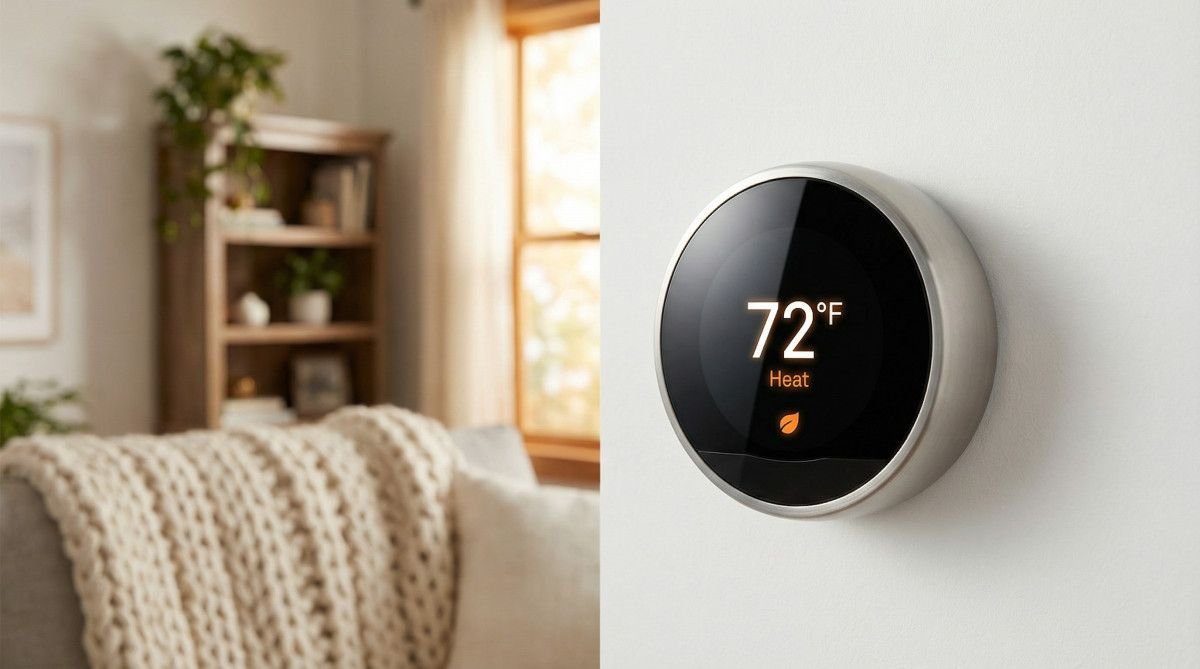

Thermostat troubleshooting involves systematically diagnosing and resolving common issues that prevent a heating, ventilation, and air conditioning (HVAC) system from operating correctly, ensuring optimal indoor climate control. This process typically addresses problems like no power, inaccurate temperature readings, or unresponsive controls, which can lead to discomfort or increased energy consumption. By following a structured approach, homeowners can often identify and fix minor malfunctions without professional assistance, restoring their system’s efficiency and functionality, notes the Helios Property Management team. Addressing these issues promptly helps maintain consistent indoor temperatures and prevents potential damage to the HVAC unit.
A malfunctioning thermostat can significantly impact a home’s energy efficiency and overall comfort, leading to inconsistent temperatures or complete system failure. Understanding the basic principles of thermostat operation and common failure points empowers homeowners to perform initial diagnostic steps. This proactive approach can save time and money by avoiding unnecessary service calls for simple, rectifiable problems. Effective troubleshooting ensures that the HVAC system responds accurately to desired temperature settings, providing a stable and pleasant living environment.
The ability to troubleshoot a thermostat effectively is a valuable skill for any homeowner, contributing to both comfort and cost savings. Many common thermostat issues stem from simple causes, such as dead batteries, tripped circuit breakers, or incorrect settings. Learning to identify these basic problems can prevent prolonged periods of discomfort and reduce reliance on professional technicians for routine fixes. This guide provides a comprehensive overview of common thermostat problems and practical solutions to help restore your home’s climate control.
Understanding Thermostat Functionality: The Brain of Your HVAC System
A thermostat acts as the central control unit for your home’s heating and cooling system, constantly monitoring the ambient air temperature and signaling the HVAC unit to activate or deactivate based on your set preferences. This crucial device ensures that your living space remains within a comfortable temperature range, optimizing energy usage by preventing unnecessary operation. Its internal sensors detect temperature fluctuations, triggering the system to heat or cool as needed, thereby maintaining a consistent indoor climate. Proper functioning of this device is paramount for both comfort and energy efficiency.
Modern thermostats, ranging from basic manual models to advanced smart devices, all share the fundamental role of regulating indoor temperature. They achieve this by comparing the current room temperature to the user-defined setpoint. When a discrepancy is detected, the thermostat sends electrical signals to the furnace, air conditioner, or heat pump, instructing them to turn on or off. This continuous feedback loop is essential for maintaining a stable and comfortable environment within the home. Understanding this basic operational principle is the first step in effective troubleshooting.
The internal components of a thermostat, including temperature sensors, control logic, and communication modules, work in concert to manage the HVAC system. In smart thermostats, these components are augmented with features like Wi-Fi connectivity, learning algorithms, and remote access, allowing for greater control and energy optimization. Regardless of complexity, the core function remains the same: to accurately measure temperature and relay commands to the heating and cooling equipment. Any disruption in this process can lead to noticeable issues with home comfort.
Types of Thermostats and Their Common Issues: A Comparative Overview
Thermostats come in various types, each with distinct operational mechanisms and common troubleshooting scenarios, influencing how they interact with your HVAC system and respond to user input. Understanding these differences is crucial for accurate diagnosis, as a problem with a traditional mercury thermostat might differ significantly from an issue encountered with a modern smart thermostat. Identifying the specific type of thermostat installed in your home helps narrow down potential causes of malfunction and guides the appropriate troubleshooting steps. This knowledge is fundamental for effective problem resolution.
The primary categories include mechanical (bimetallic strip or mercury switch), digital programmable, and smart thermostats. Mechanical thermostats are the simplest, relying on physical components to sense temperature and complete circuits. Digital programmable thermostats offer more precise control and scheduling capabilities, often powered by batteries. Smart thermostats represent the most advanced category, featuring internet connectivity, learning capabilities, and remote control via smartphone apps. Each type presents unique advantages and potential vulnerabilities that impact troubleshooting.
A comparative analysis of thermostat types reveals their respective strengths and common issues. Mechanical thermostats are prone to calibration drift or sticky contacts. Digital programmable models often face battery depletion or programming errors. Smart thermostats, while offering advanced features, can experience Wi-Fi connectivity problems, software glitches, or compatibility issues with certain HVAC systems. Recognizing these type-specific characteristics is vital for efficient and targeted troubleshooting efforts.
| Thermostat Type | Description | Common Issues | Typical Power Source |
|---|---|---|---|
| Mechanical | Basic, non-programmable, uses bimetallic strip or mercury switch. | Inaccurate readings, sticky contacts, calibration drift. | HVAC system (low voltage) |
| Digital Programmable | Offers scheduling, digital display, more precise control. | Dead batteries, programming errors, display malfunctions. | Batteries, HVAC system (low voltage) |
| Smart | Internet-connected, learning features, remote control, advanced sensors. | Wi-Fi connectivity loss, software bugs, compatibility issues, power fluctuations. | HVAC system (C-wire), batteries (backup) |
Step-by-Step Thermostat Troubleshooting Process: A Practical Guide
A systematic step-by-step thermostat troubleshooting process begins with checking the most common and easily rectifiable issues before moving to more complex diagnostics, ensuring an efficient and logical approach to problem-solving. This methodical procedure helps homeowners quickly identify whether the problem lies with the thermostat itself, the power supply, or the HVAC system components. By following a clear sequence of checks, unnecessary interventions are avoided, and the likelihood of successfully resolving the issue is significantly increased. Adhering to these steps can often restore functionality without professional help.
Begin by verifying the thermostat’s power supply. For battery-powered units, replace old batteries with fresh ones, ensuring they are inserted correctly. For hardwired thermostats, check the circuit breaker associated with your HVAC system in your home’s electrical panel; a tripped breaker can cut power to the entire system. Also, ensure the thermostat is securely mounted to its base, as loose connections can interrupt power or communication with the HVAC unit. These initial checks address the most frequent causes of thermostat malfunction.
Next, examine the thermostat settings. Confirm that the system mode is set to “Heat,” “Cool,” or “Auto” as desired, and that the fan setting is on “Auto” or “On” appropriately. Ensure the temperature setting is above or below the current room temperature to trigger the system. Sometimes, a simple adjustment to these settings can resolve issues where the HVAC system appears unresponsive. If these basic checks do not resolve the problem, further investigation into wiring and system components may be necessary.
Common Thermostat Problems and Solutions: Diagnosing and Fixing Issues
Addressing common thermostat problems often involves a series of diagnostic checks and simple fixes that can restore proper functionality to your heating and cooling system without requiring a professional service call. Many issues, such as a blank display, inaccurate temperature readings, or a system that runs constantly, can be traced back to easily identifiable causes. Understanding these prevalent malfunctions and their corresponding solutions empowers homeowners to quickly resolve minor disruptions, ensuring continuous home comfort and efficient HVAC operation. This proactive approach minimizes downtime and potential repair costs.
If the thermostat display is blank or unresponsive, the first step is to check the batteries and replace them if necessary. For hardwired units, inspect the circuit breaker for the HVAC system. A tripped breaker will cut power to the thermostat and the entire system. If the system is not responding to temperature changes, ensure the thermostat is set to the correct mode (heat/cool) and that the desired temperature is appropriately above or below the current room temperature. Sometimes, a simple reset of the thermostat can resolve minor glitches, which typically involves turning off the power at the breaker for a few minutes.
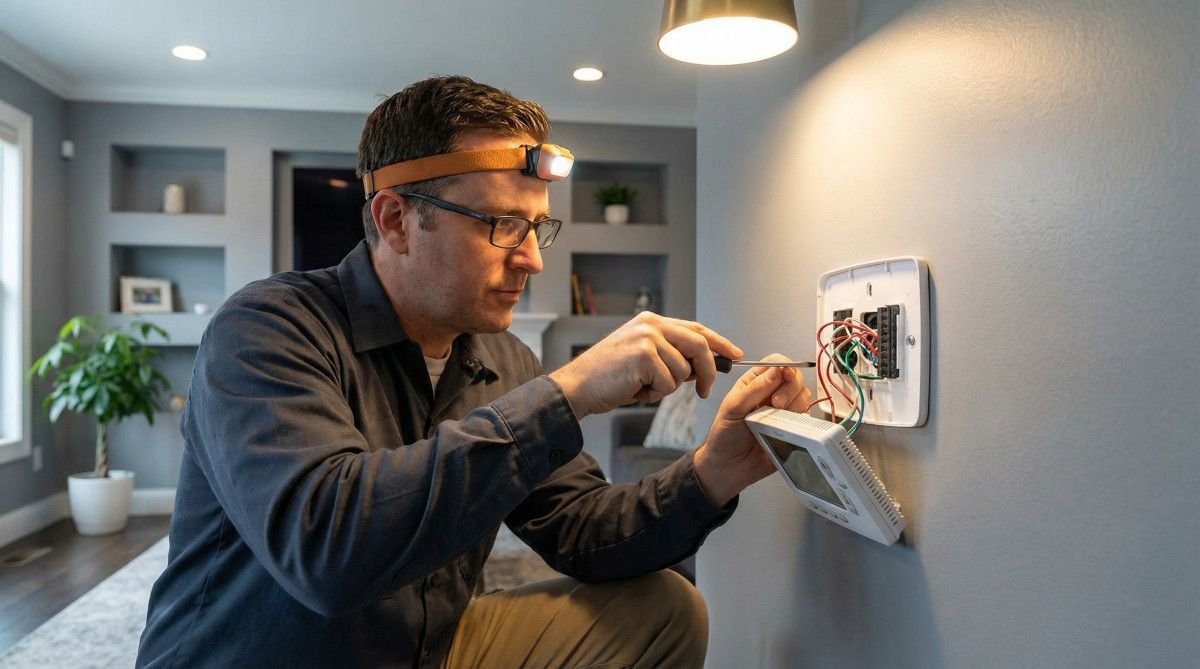
Inaccurate temperature readings can often be caused by the thermostat’s location or dirt accumulation. Ensure the thermostat is not exposed to direct sunlight, drafts, or heat sources like lamps or appliances, which can skew its readings. Gently clean the thermostat’s exterior and any visible vents with a soft brush or cloth to remove dust and debris that might obstruct sensors. If the HVAC system runs constantly or not at all, check the wiring connections behind the thermostat for looseness or corrosion. Loose wires can interrupt communication between the thermostat and the HVAC unit, leading to erratic behavior.
Maintaining Thermostat Efficiency and Longevity: Tips for Optimal Performance
Maintaining thermostat efficiency and longevity involves regular, simple practices that ensure accurate temperature control and extend the lifespan of both the device and your HVAC system, preventing premature failures and costly repairs. Consistent upkeep helps the thermostat accurately sense and regulate indoor temperatures, contributing to optimal energy consumption and consistent home comfort. By adopting a few routine maintenance habits, homeowners can significantly enhance their thermostat’s performance and reliability, ensuring it continues to function effectively for many years. This proactive approach safeguards your investment in home climate control.
Regularly clean your thermostat to prevent dust and debris from interfering with its sensors and internal components. Use a soft, dry cloth to wipe down the exterior, and for models with vents, a soft brush or compressed air can dislodge accumulated dust. For battery-powered thermostats, replace batteries annually, or immediately when a low battery indicator appears, to avoid unexpected power loss and system shutdowns. These simple cleaning and battery replacement routines are fundamental to maintaining accurate temperature readings and reliable operation.
Periodically check the thermostat’s calibration, especially for older mechanical models, to ensure it accurately reflects the actual room temperature. You can do this by placing a reliable thermometer near the thermostat and comparing the readings. If there’s a significant discrepancy, consult your thermostat’s manual for calibration instructions or consider professional assistance. Additionally, ensure the thermostat is located away from direct sunlight, drafts, and heat-emitting appliances, as these factors can lead to inaccurate readings and inefficient HVAC cycling. Proper placement is crucial for optimal performance.
Frequently Asked Questions
Q1: Why is my thermostat display blank?
A blank thermostat display most commonly indicates a power issue, often due to dead batteries in battery-powered units or a tripped circuit breaker for hardwired systems. Replacing the batteries or resetting the breaker are the primary troubleshooting steps. Additionally, a loose connection at the thermostat’s wiring can interrupt power, requiring a check of the terminal screws.
Q2: Why is my HVAC system not responding to the thermostat?
If your HVAC system isn’t responding, first verify the thermostat’s mode (heat/cool) and temperature settings are appropriate to trigger the system. Check for a tripped circuit breaker or blown fuse in the HVAC unit itself. Loose or corroded wiring connections between the thermostat and the HVAC system can also prevent communication, requiring inspection and tightening.
Q3: Why is my thermostat reading the wrong temperature?
Inaccurate temperature readings often result from the thermostat’s location being affected by external factors like direct sunlight, drafts from windows, or heat from nearby appliances. Dust accumulation on internal sensors can also skew readings. Relocating the thermostat or gently cleaning its vents can often resolve this issue, ensuring precise temperature detection.
Q4: What should I do if my HVAC system runs constantly?
A constantly running HVAC system might indicate a thermostat malfunction, such as a stuck relay or incorrect calibration, causing it to continuously call for heating or cooling. Check if the fan is set to “On” instead of “Auto.” If the issue persists, inspect for shorted wires or consider a thermostat reset, as continuous operation can lead to increased energy consumption and system wear.
Q5: How often should I replace thermostat batteries?
For battery-powered thermostats, it is generally recommended to replace the batteries annually, typically at the beginning of the heating or cooling season, even if they appear to be working. This proactive measure prevents unexpected power loss and ensures consistent operation. Many thermostats also provide a low battery indicator as a reminder for timely replacement.
Effective thermostat troubleshooting and consistent maintenance are essential for ensuring a comfortable and energy-efficient home environment. By understanding the basic functions, recognizing common issues, and applying systematic diagnostic steps, homeowners can resolve many problems independently. Regular cleaning, timely battery replacement, and proper placement contribute significantly to the longevity and accuracy of your thermostat. These practices not only enhance daily comfort but also optimize the performance of your entire HVAC system, leading to sustained energy savings and reduced reliance on professional repairs.

Most Viewed