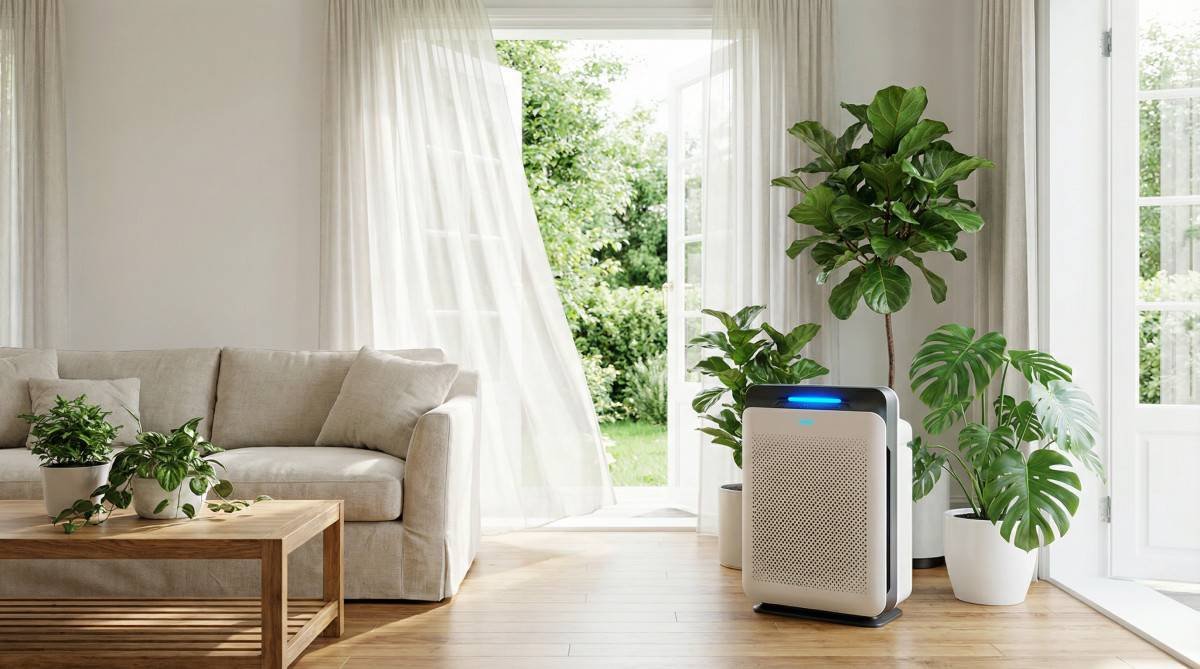

Indoor air quality improvement involves reducing pollutants and allergens within a home to create a healthier living environment, directly impacting respiratory health and overall well-being for occupants. This process often includes ventilation upgrades, filtration systems, and source control measures to mitigate common airborne contaminants effectively, emphasizes the JGE Property Management team. Maintaining optimal indoor air quality is crucial for preventing long-term health issues and enhancing comfort in residential spaces.
Many common household activities and building materials contribute to indoor air pollution, ranging from volatile organic compounds (VOCs) released by paints and furniture to particulate matter from cooking and cleaning. Understanding these sources is the first step toward implementing effective strategies for mitigation. Addressing these issues systematically can lead to significant improvements in the air breathed daily.
Implementing targeted solutions, such as regular cleaning, proper humidity control, and selecting low-emission products, can dramatically transform the air quality inside any home. These proactive measures contribute to a safer and more comfortable living space for everyone. Prioritizing indoor air quality is an investment in the health and longevity of your home and its inhabitants.
Understanding Indoor Air Quality and Its Importance
Indoor air quality (IAQ) refers to the air quality within and around buildings and structures, specifically as it relates to the health and comfort of building occupants. Poor IAQ can lead to various health problems, including respiratory issues, headaches, and fatigue, making its assessment and improvement essential for residential well-being. Recognizing the common sources of indoor pollutants is the foundational step in developing effective mitigation strategies.
The significance of good IAQ extends beyond immediate comfort, influencing long-term health outcomes and cognitive function. Continuous exposure to elevated levels of indoor pollutants can exacerbate existing conditions like asthma and allergies, while also contributing to the development of new health concerns. Therefore, understanding and actively managing IAQ is a critical aspect of maintaining a healthy home environment.
Key Factors and Improvement Options
Several factors influence indoor air quality, including ventilation rates, pollutant sources, and humidity levels, each requiring specific attention for effective improvement strategies. Addressing these elements systematically allows homeowners to create a healthier and more comfortable living space. Various improvement options exist, ranging from simple behavioral changes to significant mechanical system upgrades, offering tailored solutions for diverse needs.
| Factor | Description | Improvement Options |
|---|---|---|
| Ventilation | The exchange of indoor air with outdoor air, crucial for diluting pollutants. | Opening windows, using exhaust fans, installing heat recovery ventilators (HRVs). |
| Pollutant Sources | Materials or activities that release harmful substances into the air. | Using low-VOC products, regular cleaning, proper storage of chemicals, avoiding indoor smoking. |
| Humidity | The amount of moisture in the air, impacting mold growth and dust mites. | Using dehumidifiers or humidifiers, fixing leaks, ensuring proper drainage. |
| Filtration | Systems designed to remove particulate matter and other contaminants from the air. | Upgrading HVAC filters (MERV rating), using portable air purifiers with HEPA filters. |
| Temperature | The thermal condition of the indoor environment, affecting comfort and pollutant off-gassing. | Maintaining comfortable temperatures, ensuring proper insulation and sealing. |
Each factor plays a distinct role in the overall indoor air quality profile of a home. A holistic approach that considers all these elements is most effective for achieving lasting improvements. Homeowners should assess their specific situation to determine the most impactful interventions.
Step-by-Step Process for Improving Indoor Air Quality
Improving indoor air quality involves a systematic approach that begins with identifying potential pollutant sources and ends with implementing and maintaining effective control measures. A structured plan ensures that all critical aspects are addressed, leading to measurable improvements in the home environment. Following a clear process helps homeowners prioritize actions and achieve optimal results efficiently.
The initial step involves conducting an assessment to pinpoint specific issues, which might include professional testing or simply observing common household activities and materials. Once sources are identified, the next phase focuses on source control, minimizing or eliminating the release of pollutants. This could mean choosing different cleaning products or sealing off asbestos-containing materials.
Subsequently, enhancing ventilation is crucial, ensuring a consistent exchange of stale indoor air with fresh outdoor air through natural or mechanical means. Finally, incorporating air purification and filtration systems provides an additional layer of protection, capturing remaining airborne particles and gases. Regular maintenance of these systems is vital for sustained effectiveness.
Common Problems and Troubleshooting
Homeowners frequently encounter issues such as persistent odors, excessive dust, or allergy symptoms that indicate underlying indoor air quality problems requiring targeted troubleshooting. Identifying the root cause of these issues is paramount for implementing effective and lasting solutions. Addressing these common challenges systematically can significantly enhance the health and comfort of a living space.
One common problem is inadequate ventilation, leading to a buildup of pollutants; troubleshooting involves checking exhaust fans, ensuring proper window usage, and considering mechanical ventilation systems. Another issue is high humidity, which fosters mold growth; solutions include using dehumidifiers, repairing leaks, and improving bathroom ventilation. Persistent dust often points to inefficient filtration or poor cleaning habits, necessitating HVAC filter upgrades and more frequent, thorough cleaning routines.
Long-Term Benefits and Maintenance Tips
Sustaining high indoor air quality offers numerous long-term benefits, including improved respiratory health, reduced allergy symptoms, and enhanced overall comfort and productivity for residents. These advantages extend beyond immediate relief, contributing to a healthier lifestyle and potentially increasing property value. Consistent maintenance is key to realizing these enduring positive impacts.
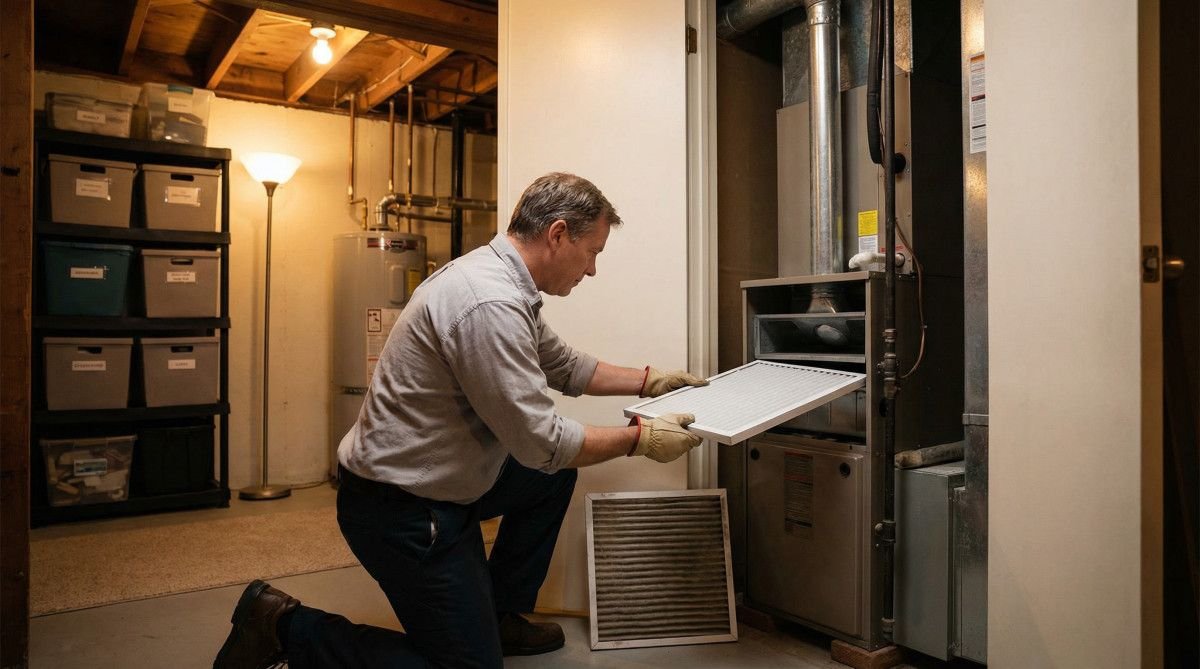
Regularly changing HVAC filters, typically every 1-3 months depending on usage and household factors, is a fundamental maintenance practice. Cleaning and maintaining ventilation systems, such as exhaust fans and air ducts, prevents the accumulation of dust and allergens. Additionally, controlling indoor humidity levels between 30-50% helps deter mold and dust mite proliferation, ensuring a consistently healthy environment.
Frequently Asked Questions
What are the most common indoor air pollutants?
The most common indoor air pollutants include particulate matter from dust and combustion, volatile organic compounds (VOCs) from building materials and cleaning products, carbon monoxide, radon, and biological contaminants like mold, bacteria, and pet dander. These substances can originate from various sources within the home and significantly impact respiratory health and overall well-being.
How can I test my home’s indoor air quality?
You can test your home’s indoor air quality through several methods, including using DIY home air quality monitors for basic readings of particulate matter and VOCs, or hiring professional services for comprehensive testing. Professionals can identify a wider range of pollutants, such as radon, asbestos, and specific molds, providing detailed reports and recommendations for improvement.
Is it better to open windows or use an air purifier?
Both opening windows and using an air purifier are effective strategies for improving indoor air quality, and they serve different primary functions. Opening windows introduces fresh outdoor air, diluting indoor pollutants and increasing ventilation. An air purifier, conversely, filters existing indoor air to remove particles and some gases. For optimal results, a combination of both approaches is often recommended, depending on outdoor air quality.
How does humidity affect indoor air quality?
Humidity significantly affects indoor air quality by influencing the growth of biological contaminants and the off-gassing of certain chemicals. High humidity levels (above 60%) create an ideal environment for mold, mildew, and dust mites to thrive, exacerbating allergies and respiratory issues. Conversely, very low humidity can lead to dry skin, irritated airways, and increased susceptibility to viruses. Maintaining optimal humidity between 30-50% is crucial.
What are low-VOC products and why should I use them?
Low-VOC products are materials, such as paints, adhesives, and cleaning supplies, that contain significantly reduced levels of volatile organic compounds compared to traditional alternatives. VOCs are chemicals that can off-gas into the air, contributing to indoor air pollution and causing health problems like headaches, dizziness, and respiratory irritation. Using low-VOC products minimizes these emissions, creating a healthier indoor environment.
Prioritizing indoor air quality improvement is a proactive step towards fostering a healthier and more comfortable home environment. By understanding the sources of pollutants, implementing effective ventilation and filtration strategies, and maintaining consistent practices, homeowners can significantly enhance the air they breathe daily. This commitment to a healthier indoor atmosphere yields lasting benefits for all occupants.

Most Viewed