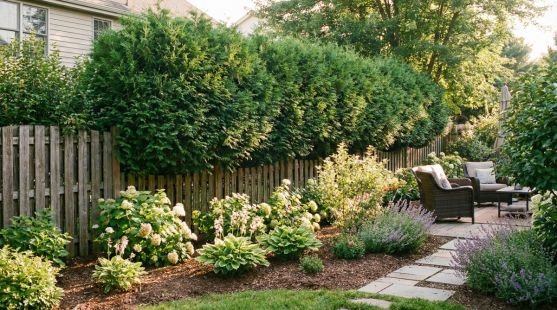

Backyard privacy solutions, such as strategically placed fences, hedges, and screens, effectively create secluded outdoor living areas by blocking unwanted views and reducing noise. These enhancements not only foster a tranquil environment for relaxation and entertainment but also significantly contribute to a property’s aesthetic appeal and market value, notes property management Church Hill. Thoughtful integration of various privacy elements ensures a harmonious balance between seclusion and the overall design of your outdoor space, providing a personal sanctuary for homeowners.
Natural Privacy Screens: Living Walls and Green Barriers
Living screens provide an organic and aesthetically pleasing approach to creating seclusion in any backyard. These natural barriers not only offer visual privacy but also contribute to a healthier environment by improving air quality and supporting local ecosystems. The choice of plants depends heavily on the local climate, soil conditions, and desired growth rate.
Hedges and Shrubs
Dense hedges and shrubs are classic choices for establishing a green wall. Evergreen varieties, such as Arborvitae (Thuja occidentalis) and Privet (Ligustrum spp.), offer year-round coverage, making them ideal for continuous privacy. Arborvitae, particularly the ‘Emerald Green’ cultivar, is popular for its narrow, columnar growth habit, reaching 12-15 feet tall while maintaining a width of only 3-4 feet, suitable for smaller spaces [1]. Deciduous options like Ninebark (Physocarpus opulifolius) and Serviceberry (Amelanchier spp.) provide seasonal privacy with the added benefit of flowers, berries, or vibrant fall foliage.
Fast-Growing Trees
For quicker results, fast-growing trees can rapidly establish a privacy screen. Leyland Cypress (Cupressocyparis leylandii) can grow 3-4 feet annually, reaching over 60 feet, while Green Giant Arborvitae (Thuja plicata ‘Green Giant’) offers similar rapid growth, topping out at 30-40 feet [2]. Bamboo, especially clumping varieties like Fargesia, provides a lush, exotic screen that can grow several feet in a single season, though careful selection is crucial to avoid invasive species [3].
Vertical Gardens and Vines
When ground space is limited, vertical gardens and climbing vines offer innovative solutions. Trellises or pergolas adorned with vigorous vines like Clematis (Clematis spp.), Honeysuckle (Lonicera spp.), or Ivy (Hedera helix) can quickly transform an open area into a secluded retreat. Vertical gardens, often incorporating modular systems, can be filled with herbs, vegetables, or flowering plants, effectively screening views while maximizing green space.
Structural Privacy Solutions: Fences, Walls, and Screens
For homeowners seeking immediate and robust privacy, structural elements offer effective solutions that define boundaries and block unwanted views. These options provide a wide range of aesthetic choices, from traditional to modern, and can be customized to suit specific design preferences and local regulations.
Fencing Options
Fences remain a cornerstone of backyard privacy. Wood fences, particularly cedar and redwood, are popular for their natural beauty and durability, though they require regular maintenance such as staining or sealing [4]. They offer versatility in design, from solid panels to decorative lattice toppers that add height without completely obstructing light. Vinyl fences provide a low-maintenance alternative, resisting rot, pests, and weathering, and are available in various styles and colors. Local municipalities often cap fence heights, typically at 6 feet for side and rear yards, with stricter limits for front yards [5].
Gabion and Stone Walls
For a more permanent and distinctive privacy solution, gabion walls (wire cages filled with rocks or stones) and traditional stone walls offer both visual barriers and excellent noise dampening. Gabion walls provide a modern, industrial aesthetic, while natural stone walls blend seamlessly with rustic or traditional landscapes. These structures are highly durable and require minimal maintenance once installed, making them a long-term investment in backyard seclusion.
Decorative Privacy Screens
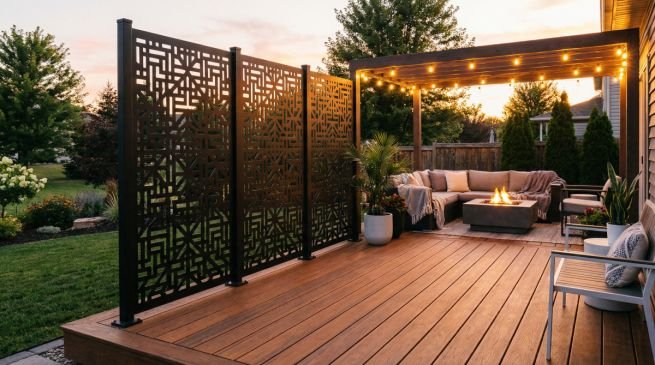
Decorative privacy screens offer a contemporary and artistic approach to backyard privacy. Available in materials like laser-cut metal, composite, or wood, these panels can filter views while allowing light and air to pass through. They are ideal for creating focal points, dividing outdoor rooms, or adding a touch of modern design. Many screens are freestanding or can be integrated into existing structures, providing flexible and stylish solutions for targeted privacy needs.
Overhead Privacy Solutions: Pergolas, Awnings, and Shade Sails
Privacy is not always about blocking views from the sides; overhead visibility from multi-story neighboring homes or elevated decks can significantly compromise outdoor comfort. Overhead solutions provide effective screening while often adding architectural interest and protection from the elements.
Pergolas and Gazebos
Pergolas and gazebos are excellent for defining outdoor rooms and offering a degree of overhead privacy. While traditional pergolas feature open slatted roofs, they can be enhanced with retractable canopies, climbing vines, or hanging plants to create denser coverage. Gazebos, with their more enclosed structures and solid roofs, provide greater seclusion and shelter. Both options add significant aesthetic value and create dedicated spaces for relaxation or dining. Plans for pergolas and gazebos are widely available, allowing for DIY construction or professional installation [6].
Retractable Awnings
Retractable awnings offer flexible overhead privacy and sun protection. Attached to the home’s exterior, they can be extended when needed to block views from above and retracted when open skies are desired. Modern awnings come in various fabrics, colors, and designs, complementing diverse home aesthetics. They are particularly useful for decks and patios, providing an adjustable solution for privacy and shade.
Shade Sails
Shade sails are versatile and stylish options for overhead privacy. These large fabric panels are typically triangular or rectangular and are tensioned between multiple anchor points, such as house fascia, posts, or trees. They effectively block overhead views and provide significant shade, creating a comfortable microclimate below. Available in various sizes and colors, shade sails offer a contemporary look and can be arranged in creative configurations to target specific sightlines.
DIY and Budget-Friendly Privacy Solutions
Achieving backyard privacy doesn’t always require extensive budgets or professional installations. Many creative and affordable solutions can be implemented with a bit of ingenuity and weekend effort, making seclusion accessible to a wider range of homeowners.
Curtain Screens
Simple curtain screens can provide effective and temporary privacy, especially for decks, patios, or balconies. Using materials like canvas drop cloths, sturdy curtain rods, and posts, a functional and aesthetically pleasing screen can be constructed for under $100 [7]. This solution is particularly useful for renters or those who desire flexible privacy that can be easily adjusted or removed. Adding grommets to the fabric ensures stability against wind, and LED post caps can enhance evening ambiance.
Bamboo Panel Builds
Custom bamboo privacy panels offer a thrifty and stylish alternative to more expensive pre-made screens. Inexpensive bamboo fencing can be cut to desired heights and framed with thin wood strips, creating a unique and natural-looking barrier. This DIY approach allows for creative designs, such as graduated heights or curved lines, to fit specific outdoor spaces. Ensuring the use of exterior-grade materials and proper construction techniques will ensure durability against local weather conditions [8].
Container Plantings
For temporary or movable privacy, container plantings are an excellent choice. Large planters filled with fast-growing shrubs like Arborvitae or Columnar Junipers, or even ornamental grasses, can create effective green screens that can be rearranged as needed. This method is ideal for renters or homeowners who frequently reconfigure their outdoor layouts. Potted bamboo (clumping varieties) in rectangular planters can also provide a modern, zen-like privacy wall.
Cost Comparison of DIY Privacy Solutions
| Solution | Estimated DIY Cost | Key Materials | Pros | Cons |
|---|---|---|---|---|
| Curtain Screen | $50 – $150 | Posts, canvas drop cloths, curtain rods, LED caps | Very affordable, flexible, temporary, easy to install | Less durable, may require frequent adjustment, not permanent |
| Bamboo Panels | $100 – $300 | Bamboo fencing, wood strips, exterior-grade hooks | Natural aesthetic, customizable, relatively inexpensive | Requires some woodworking skill, bamboo can be invasive if not controlled |
| Container Plantings | $100 – $500+ (per planter) | Large planters, fast-growing plants (shrubs, grasses, bamboo), soil | Movable, natural, adds greenery, adaptable | Requires ongoing plant care (watering, fertilizing), plants need time to grow |
Frequently Asked Questions About Backyard Privacy Solutions
Q1: What are the fastest-growing plants for privacy?
A1: For rapid privacy, Leyland Cypress can grow 3-4 feet annually, reaching over 60 feet, while Green Giant Arborvitae grows 3-5 feet annually, topping out at 30-40 feet. Certain bamboo varieties can grow up to 3 feet in a single week, but clumping types are recommended to prevent invasiveness. Privet hedges add 2-3 feet per year once established, and Hybrid Poplars can stretch 5-8 feet annually in ideal conditions [9].
Q2: How can I increase privacy without losing natural light?
A2: To maintain natural light while enhancing privacy, consider using filtered privacy elements like decorative panels with artistic cutouts, which block direct sightlines but allow light to pass through. Strategic placement of solid screens only where essential, varying privacy heights, and using frosted or textured glass panels are also effective. Adjustable louvered screens or pergolas with retractable canopies offer control over both privacy and sunlight [10].
Q3: Do I need a permit to build a privacy fence?
A3: In most locations, a permit is required for fences exceeding a certain height, typically 6 feet. Local municipalities have varying regulations, and homeowners associations (HOAs) may impose additional rules regarding materials, colors, and designs. It is crucial to consult your local building department and HOA (if applicable) before construction to avoid potential fines or removal requirements [11].
Q4: What are the cheapest ways to create backyard privacy?
A4: Budget-friendly privacy solutions include DIY curtain screens made from canvas drop cloths, which can cost under $100. Constructing bamboo panels from inexpensive fencing materials is another cost-effective option. Utilizing container plantings with fast-growing shrubs or ornamental grasses provides movable and affordable green screens. Additionally, strategically planting fast-growing vines on existing structures like trellises can offer privacy at a low cost.
Q5: How do I add privacy to my backyard without a fence?
A5: Achieving backyard privacy without a traditional fence can be done through various methods. Living screens using dense hedges, fast-growing trees, or vertical gardens with climbing plants offer natural barriers. Pergolas and gazebos provide overhead privacy and define outdoor rooms. Decorative privacy screens made from metal or composite materials can create visual breaks. Furthermore, strategically placed water features can mask unwanted sounds, contributing to a sense of seclusion.
Conclusion
Transforming an open backyard into a private sanctuary enhances both the enjoyment and value of a home. The diverse range of backyard privacy solutions, from lush natural screens to robust structural elements and creative DIY projects, offers homeowners ample opportunities to tailor their outdoor spaces to specific needs and aesthetic preferences. Thoughtful consideration of factors such as local regulations, climate, maintenance requirements, and budget ensures the selection of optimal solutions. By strategically combining different privacy elements, homeowners can create a harmonious and secluded retreat that provides a peaceful escape for relaxation, entertainment, and personal well-being. The investment in privacy ultimately cultivates a more comfortable and functional outdoor living environment, significantly improving the quality of life at home.

Most Viewed