
Expanding the functional space within a home significantly enhances its utility and market appeal, providing residents with improved living conditions and a greater return on investment. This process involves strategic modifications, from minor interior adjustments to substantial structural additions, all aimed at optimizing every square foot for practical use. Understanding the diverse approaches available allows homeowners to tailor improvements that align with their specific needs and long-term property goals.
Optimizing Existing Layouts for Enhanced Functionality
Optimizing existing layouts for enhanced functionality in residential properties involves reconfiguring current spaces to better serve daily needs without necessarily increasing the physical footprint. This approach often includes open-concept designs, strategic furniture placement, and the integration of multi-purpose elements. For instance, combining a living room and dining area can create a more expansive and adaptable central gathering space, while built-in storage solutions can declutter and streamline smaller rooms. The goal is to maximize efficiency and flow, making every corner of the home contribute meaningfully to its overall utility.
Strategic Home Additions: Expanding Your Footprint
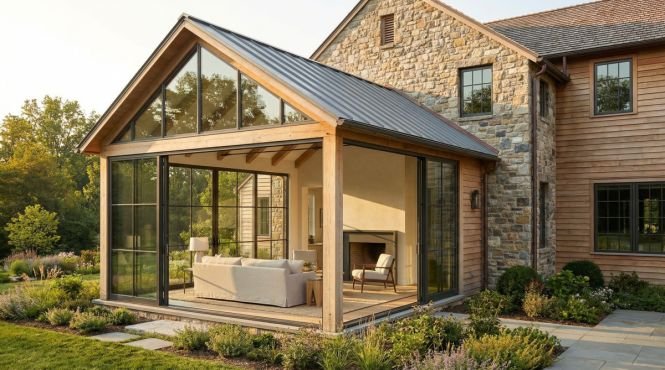
Strategic home additions involve physically expanding a property’s square footage to introduce new functional areas or enlarge existing ones, directly addressing needs for more living, working, or recreational space. These additions can range from building a second story to constructing a sunroom or finishing a basement, each offering distinct benefits and considerations. For example, adding a second story can nearly double a home’s usable area without consuming additional land, making it ideal for properties with limited lot sizes. Conversely, finishing a basement transforms an underutilized area into valuable living space, often at a lower cost per square foot compared to above-ground construction. The choice of addition depends on factors such as budget, local zoning regulations, and the desired functional outcome.
Converting Underutilized Areas into Valuable Spaces
Converting underutilized areas into valuable spaces involves transforming neglected or secondary parts of a home, such as attics, garages, or porches, into fully functional and integrated living areas. This method is a cost-effective way to gain significant functional space without the extensive construction of a new addition. For example, an unfinished attic can be transformed into a guest bedroom, home office, or playroom, leveraging existing structural elements. Similarly, a garage can be repurposed into an in-law suite, studio, or additional living room, provided it meets residential code requirements for insulation, ventilation, and egress. The key is to identify these hidden potentials and apply thoughtful design to make them habitable and useful, thereby enhancing the home’s overall functionality and market value.
Multi-functional Furniture and Smart Storage Solutions
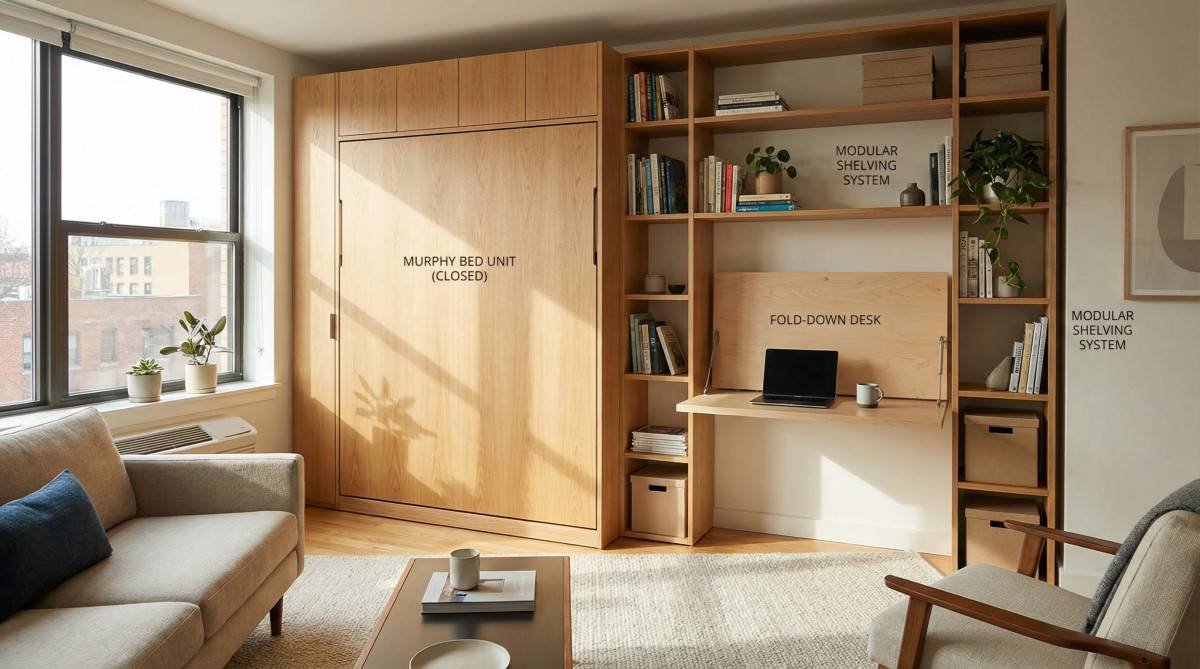
Multi-functional furniture and smart storage solutions are essential for maximizing functional space, particularly in smaller homes or apartments, by ensuring that every item serves a purpose and every area is efficiently utilized. This approach focuses on innovative design that allows single pieces of furniture to perform multiple roles, such as sofa beds that convert for sleeping, or ottomans with hidden storage compartments. Vertical storage, including floor-to-ceiling shelving and wall-mounted units, effectively uses often-overlooked wall space to reduce clutter and free up floor area. Integrating these elements creates adaptable environments where spaces can easily transition between different functions, enhancing both organization and livability without requiring structural changes.
Outdoor Spaces as Functional Extensions of the Home
Outdoor spaces can be effectively transformed into functional extensions of the home, providing additional living, dining, or recreational areas that enhance overall property utility and enjoyment. This involves designing patios, decks, and yards to serve specific purposes, such as creating an outdoor kitchen for entertaining, a shaded pergola for relaxation, or a dedicated play area for children. Incorporating weather-resistant furniture, appropriate lighting, and landscaping elements helps to define these zones and make them comfortable and inviting. By blurring the lines between indoor and outdoor living, homeowners can significantly expand their usable space, offering versatile environments that adapt to various activities and seasons, thereby increasing the home’s appeal and value.
Enhancing Home Value Through Functional Upgrades
Enhancing home value through functional upgrades involves making strategic improvements that not only improve daily living but also significantly boost a property’s market appeal and resale potential. These upgrades often focus on areas that buyers prioritize, such as updated kitchens and bathrooms, which offer high returns on investment due to their direct impact on livability and modern aesthetics. Adding functional spaces like a dedicated home office, a finished basement, or an in-law suite can also attract a broader range of buyers seeking versatile living arrangements. Prioritizing improvements that align with current market demands and enhance the practical utility of the home ensures that investments translate into tangible increases in property value, making the home more attractive and competitive in the real estate market.
FAQ on Adding Functional Space
Q: What are the most cost-effective ways to add functional space to a home?
A: The most cost-effective ways to add functional space often involve utilizing existing structures, such as finishing a basement or attic, or converting a garage into living space. These projects typically leverage existing foundations and walls, reducing overall construction costs compared to building new additions from the ground up. Additionally, optimizing current layouts with multi-functional furniture and smart storage solutions can significantly enhance utility without major renovations.
Q: How do home additions impact property value?
A: Home additions generally increase property value by expanding usable square footage and enhancing overall functionality, though the return on investment varies by project type and local market conditions. Projects like adding a second story, expanding a kitchen, or creating an additional bathroom tend to offer strong returns, especially when the additions are well-designed and seamlessly integrated with the existing structure. Consulting with a real estate professional can provide insights into which additions yield the best value in a specific area.
Q: What permits are typically required for adding functional space?
A: Permits are typically required for most home additions and significant structural modifications to ensure compliance with local building codes and zoning ordinances. This includes projects such as building new rooms, finishing basements or attics, and converting garages. The specific permits needed will depend on the scope of the project and local regulations, often involving structural, electrical, and plumbing inspections. It is crucial to consult with local planning departments before starting any construction to avoid potential legal issues and ensure safety.
Q: Can outdoor spaces truly be considered functional extensions of a home?
A: Yes, outdoor spaces can truly be considered functional extensions of a home when they are intentionally designed and equipped to support various activities, effectively expanding the living area beyond the interior walls. Features like covered patios, outdoor kitchens, well-defined dining areas, and comfortable seating zones transform yards and decks into versatile environments for relaxation, entertaining, and recreation. With appropriate landscaping, lighting, and weather-resistant furnishings, these areas provide valuable additional space that enhances both lifestyle and property appeal.
Q: What design considerations are important for multi-functional rooms?
A: For multi-functional rooms, key design considerations include flexibility, adaptability, and efficient use of space to accommodate various activities throughout the day. This involves selecting furniture that can serve multiple purposes, such as a desk that converts into a dining table, or a daybed that functions as both seating and sleeping. Strategic placement of movable partitions or screens can help define different zones within a single room, while ample, integrated storage solutions are crucial for maintaining an organized and clutter-free environment. The goal is to create a versatile space that seamlessly transitions between its intended uses.
Conclusion
Adding functional space to a home is a strategic investment that significantly enhances livability and long-term value. By carefully considering options ranging from optimizing existing layouts to undertaking major structural additions, homeowners can tailor improvements to meet evolving needs. Whether through converting underutilized areas, integrating multi-functional furniture, or transforming outdoor spaces, each approach contributes to a more efficient and enjoyable living environment. These thoughtful enhancements not only improve daily life but also position the property advantageously in the real estate market, ensuring a beneficial return on the investment made in creating a more functional home.

Most Viewed