
Effective closet design significantly enhances daily routines and home organization by optimizing storage capacity and accessibility within a dedicated space, ensuring every item has a designated place, reducing clutter and improving efficiency through thoughtful planning and aesthetic considerations, emphasizes Henderson Property Management.
Maximizing Space in Closet Designs: Smart Solutions for Every Home
Maximizing space in closet designs is achieved through strategic planning and the incorporation of custom storage solutions tailored to the specific dimensions and architectural nuances of a home, ensuring that every available inch is utilized efficiently for optimal organization. This involves assessing the unique layout of a closet, whether it’s a compact reach-in or an expansive walk-in, to implement systems that enhance storage capacity without compromising accessibility or aesthetic appeal.
Vertical Storage Solutions: Shelving and Hanging Systems
Utilizing vertical space is paramount in any closet design. Adjustable shelving units, for instance, can accommodate items of varying heights, from folded sweaters to hat boxes, providing flexible storage options. Double-hanging rods are particularly effective for maximizing space for shirts, skirts, and trousers, effectively doubling the capacity of a single rod. For longer garments like dresses and coats, a dedicated full-length hanging section ensures they remain wrinkle-free. Corner shelving and rotating storage systems can also transform often-underutilized areas into functional storage zones.
Drawer and Cabinet Integration: Concealed Organization
Drawers and cabinets offer an excellent way to keep a closet tidy and organized by concealing items that might otherwise contribute to visual clutter. Custom-built drawers can be designed with dividers for smaller items like socks, underwear, and accessories, ensuring everything has its place. Clear-front drawers or labels can help in quickly identifying contents. Cabinets, especially those with opaque doors, provide a sleek and uniform look, perfect for storing seasonal clothing, linens, or less frequently used items, thereby maintaining a clean and uncluttered aesthetic within the closet space.
Enhancing Closet Aesthetics and Functionality: Beyond Basic Storage
Enhancing closet aesthetics and functionality involves integrating design elements that not only improve the visual appeal of the space but also optimize its practical use, creating a harmonious environment where organization meets personal style. This holistic approach considers lighting, materials, and personalized features to transform a simple storage area into a well-appointed dressing room that reflects individual preferences and streamlines daily routines.
Lighting Solutions: Illuminating Your Wardrobe
Proper lighting is crucial for both the functionality and aesthetics of a closet. Ambient lighting, such as recessed ceiling lights, provides overall illumination. Task lighting, like LED strips under shelves or inside drawers, highlights specific items and makes it easier to find what you need. Accent lighting can be used to showcase prized possessions, such as a collection of handbags or shoes. Warm LED lights are often preferred as they render clothing colors accurately and create a welcoming atmosphere, avoiding the harshness of cool white light.
Material Selection and Finishes: Style and Durability
The choice of materials and finishes significantly impacts a closet’s overall look and feel. Options range from cost-effective laminates and melamine to luxurious solid wood and custom veneers. For a modern aesthetic, consider sleek, high-gloss finishes or minimalist designs. Traditional closets might feature rich wood tones and ornate hardware. Durable materials are essential for high-traffic areas, and finishes should complement the home’s existing decor. Incorporating elements like glass doors, mirrored panels, or even wallpaper can add a touch of sophistication and personalize the space.
Custom Features: Tailoring to Your Needs
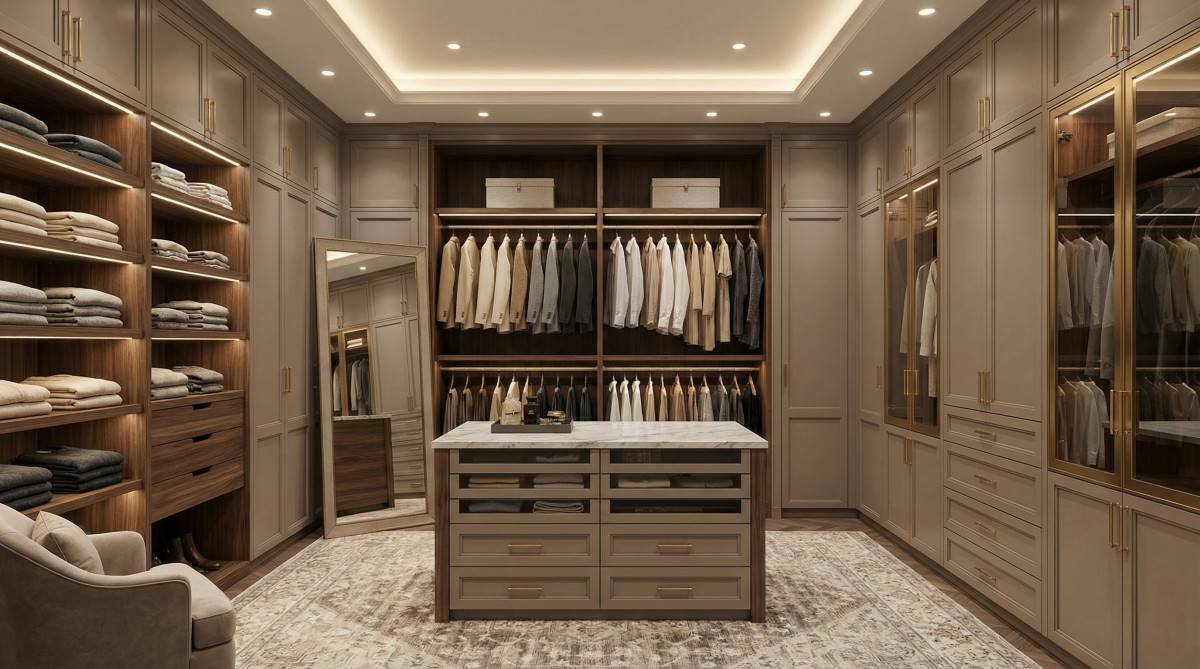
Custom features elevate a closet from a mere storage unit to a personalized sanctuary. Pull-out racks for ties, belts, and scarves keep accessories organized and easily accessible. Valet rods provide a convenient spot to hang outfits for the next day. Built-in hampers or laundry sorters maintain tidiness. Shoe cubbies, boot shapers, and jewelry trays ensure every item has a dedicated home. For those with ample space, a central island can offer additional storage, a surface for folding clothes, or even a seating area, further enhancing the closet’s functionality and luxury.
Types of Closet Designs and Their Benefits: Matching Solutions to Spaces
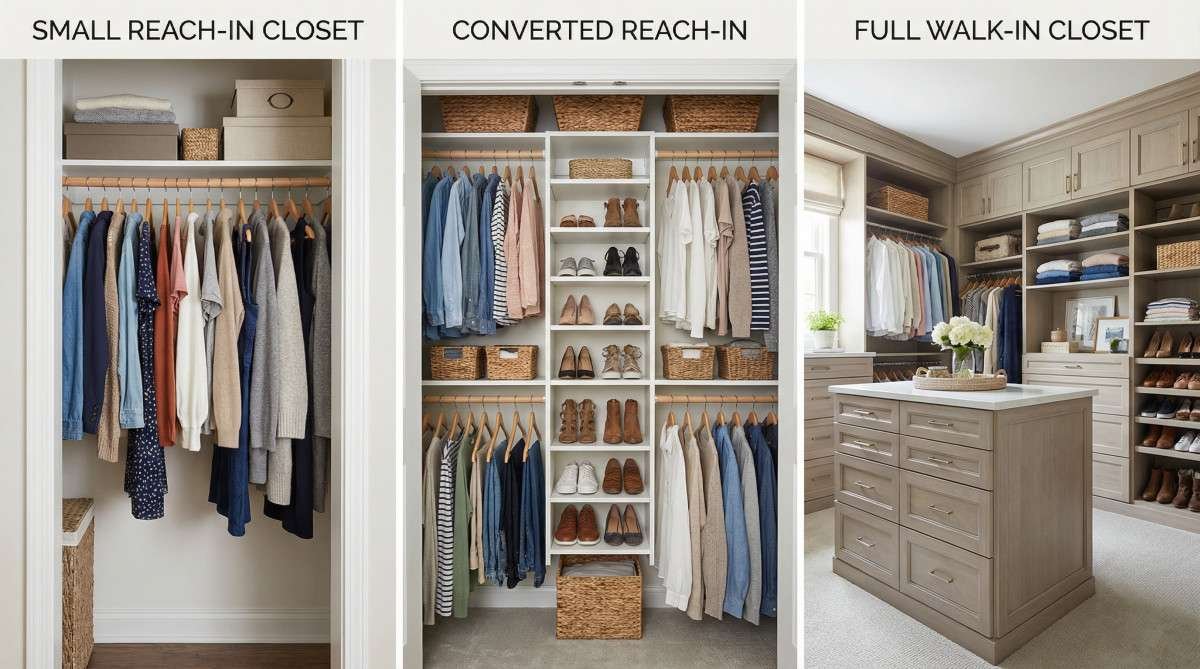
Various types of closet designs offer distinct benefits, each suited to different spatial constraints and storage needs within a home, providing tailored solutions that maximize utility and aesthetic appeal. Understanding the characteristics of reach-in, walk-in, and armoire closets helps homeowners select the most appropriate design to optimize their personal storage and organization, ensuring a perfect fit for both their belongings and their living environment.
Reach-In Closets: Efficient and Compact Storage
Reach-in closets are typically found in smaller bedrooms or hallways and are characterized by a single wall of storage, accessed through sliding, bi-fold, or standard doors. Their efficiency lies in their compact footprint, making them ideal for spaces where a walk-in closet is not feasible. Effective reach-in designs often incorporate a mix of hanging rods, adjustable shelving, and drawers to maximize storage within a limited depth. Utilizing the full height of the closet with upper shelves for seasonal items and lower drawers for accessories can significantly enhance their capacity. Custom shelving systems can transform a basic reach-in into a highly organized and functional space.
Walk-In Closets: Luxurious and Comprehensive Organization
Walk-in closets offer a more luxurious and comprehensive storage solution, providing enough space to physically step inside and often allowing for multiple walls of storage. These designs are highly customizable, frequently featuring a combination of hanging areas, shelving, drawers, and even central islands. The primary benefit of a walk-in closet is its expansive capacity and the ability to create distinct zones for different types of clothing and accessories, such as a dedicated shoe wall or a jewelry drawer. Adequate lighting and comfortable flooring can transform a walk-in closet into a private dressing room, enhancing the overall daily routine.
Armoire and Freestanding Closets: Flexible and Stylish Additions
Armoire and freestanding closets provide flexible storage options, particularly beneficial for homes without built-in closets or for adding extra storage in any room. These pieces of furniture can be moved, offering versatility in room layout and design. Modern armoires often come equipped with hanging rods, shelves, and drawers, mimicking the functionality of a built-in closet. They can also serve as a stylish focal point in a room, with various designs and finishes available to complement any decor. This type of closet is an excellent solution for renters or those seeking a non-permanent storage upgrade, blending practicality with aesthetic appeal.
Budget-Friendly and DIY Closet Design Solutions: Achieving Organization on a Budget
Budget-friendly and DIY closet design solutions empower homeowners to achieve optimal organization and aesthetic appeal without significant financial investment, leveraging creative approaches and readily available materials to transform storage spaces. These methods prioritize cost-effectiveness and personal involvement, making functional and stylish closet designs accessible to a wider range of budgets and skill levels, proving that effective organization does not always require custom, high-end installations.
Affordable Organizational Systems: Maximizing Value
Achieving an organized closet on a budget often involves utilizing readily available and affordable organizational systems. Wire shelving units, for example, are a cost-effective and versatile option that can be easily installed and reconfigured. Plastic bins, fabric boxes, and drawer dividers are inexpensive tools that help categorize and contain items, preventing clutter. Over-the-door organizers and hanging shoe racks maximize vertical space without requiring permanent installation. These solutions are not only budget-friendly but also offer flexibility, allowing homeowners to adapt their closet organization as their needs evolve.
DIY Closet Upgrades: Personalization and Savings
For those with a knack for DIY, numerous projects can significantly upgrade a closet’s functionality and appearance without the expense of professional installation. Simple projects like painting the interior of a closet, adding decorative wallpaper to the back wall, or installing new hardware on existing drawers can dramatically improve its aesthetic. Building simple shelves from plywood or repurposing old dressers into closet storage units are more involved but highly rewarding DIY endeavors. These projects allow for a high degree of personalization, ensuring the closet perfectly matches individual style and storage requirements while saving on labor costs.
Smart Storage Hacks: Creative Solutions for Small Spaces
Creative storage hacks are essential for maximizing space in smaller closets or for those looking for innovative ways to organize. Rolling carts can provide flexible storage that can be moved as needed. Utilizing tension rods to create extra hanging space for scarves or ties, or to partition shelves for better organization, is a simple yet effective hack. Stacking bins or using vacuum-seal bags for seasonal clothing can free up significant space. Even simple acts like folding clothes vertically or using slim hangers can create more room, demonstrating that thoughtful planning and clever solutions can make a big difference in any closet design.
Frequently Asked Questions About Closet Design
What are the essential elements of a functional closet design?
A functional closet design prioritizes accessibility, visibility, and efficient use of space, typically incorporating a mix of hanging rods for various garment lengths, adjustable shelving for folded items, and drawers for smaller accessories. Integrated lighting, durable materials, and a layout that matches personal storage needs are also crucial for maximizing utility and ease of use.
How can I maximize storage in a small closet?
Maximizing storage in a small closet involves utilizing vertical space with multi-tiered hanging rods and tall shelving units, incorporating slim hangers to save space, and using door-mounted organizers for shoes and accessories. Additionally, decluttering regularly and employing storage solutions like vacuum-seal bags for seasonal items can significantly increase usable space.
What are the benefits of a custom closet system?
A custom closet system offers tailored storage solutions that perfectly fit the available space and individual needs, maximizing every inch with personalized configurations for hanging, shelving, and drawers. Benefits include enhanced organization, improved accessibility, increased home value, and a cohesive aesthetic that complements the overall interior design.
What are some popular materials for closet shelving?
Popular materials for closet shelving include melamine, which is cost-effective and easy to clean; solid wood, offering durability and a classic aesthetic; and wire shelving, known for its affordability and ventilation. Each material provides different benefits in terms of appearance, longevity, and price point, allowing for diverse design choices.
How does lighting impact closet design?
Lighting significantly impacts closet design by improving visibility, enhancing the aesthetic appeal, and making it easier to select outfits and maintain organization. A combination of ambient, task, and accent lighting can illuminate all areas, prevent shadows, and create a more inviting and functional space, especially when using warm LED lights that accurately render clothing colors.
Conclusion
Thoughtful closet design is fundamental to creating an organized and aesthetically pleasing home environment, extending beyond mere storage to enhance daily routines and personal well-being. By carefully considering factors such as space maximization, functional elements, and personalized aesthetics, homeowners can transform cluttered areas into efficient and serene spaces. Whether opting for custom-built systems or implementing budget-friendly DIY solutions, the goal remains to create a closet that not only accommodates a wardrobe but also reflects individual style and promotes a sense of order. Investing time in planning and optimizing closet design ultimately contributes to a more harmonious and functional living space, making every day a little more streamlined and enjoyable.

Most Viewed