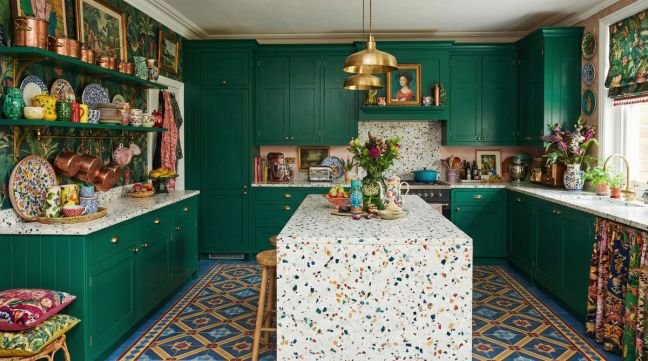

Maximalist kitchen design is an interior aesthetic that celebrates abundance, vibrant colors, diverse patterns, and a curated collection of personal items, creating a rich and visually stimulating culinary space that reflects individual personality rather than adhering to minimalist restraint, notes the Real Property Management Peace team.
Design Philosophy: More is More
Maximalism in kitchen design embraces a philosophy where every element contributes to a rich, layered aesthetic, moving beyond conventional minimalism to create spaces filled with personality and visual interest. This approach allows for the bold integration of diverse textures, patterns, and colors, transforming a functional area into a vibrant expression of individual style. Unlike minimalist designs that prioritize stark simplicity, maximalism encourages the deliberate accumulation of cherished objects and design elements, fostering a sense of warmth and lived-in charm. The key lies in thoughtful curation, ensuring that the abundance feels intentional and harmonious rather than chaotic.
Color Palettes: A Symphony of Hues
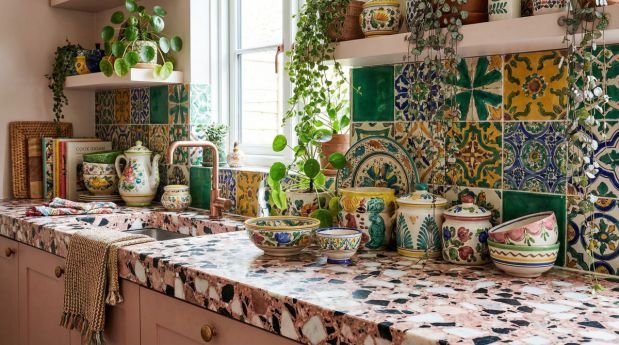
In maximalist kitchen design, color is a powerful tool, utilized to create dynamic and engaging environments that captivate the eye. Rather than limiting choices to neutral tones, maximalism encourages the fearless combination of bold, saturated hues, often in unexpected pairings. This can involve painting cabinets in deep jewel tones, incorporating brightly patterned wallpapers, or selecting appliances in unconventional shades. The strategic layering of colors, from primary accents to secondary and tertiary shades, contributes to the overall richness and depth of the space. The goal is to achieve a vibrant symphony of hues that energizes the kitchen and reflects a playful approach to design.
Materials and Textures: A Tactile Experience
Maximalist kitchen design elevates the tactile experience through the deliberate combination of diverse materials and textures, creating a multi-sensory environment. This approach moves beyond uniform surfaces, incorporating elements like rough-hewn wood, polished metals, intricate tiles, and plush fabrics. The interplay of these varied textures adds depth and visual interest, inviting touch and exploration. For instance, a kitchen might feature a distressed wooden island paired with a sleek marble backsplash, or velvet bar stools against a backdrop of exposed brick. The careful selection and juxtaposition of materials contribute to the opulent and inviting atmosphere characteristic of maximalism.
Countertop Choices: Statement Surfaces
Countertops in a maximalist kitchen serve as significant statement pieces, moving beyond mere functionality to become integral components of the overall design narrative. Instead of subtle, understated surfaces, maximalism encourages bold choices that contribute to the kitchen’s eclectic charm. This can include richly veined natural stones like marble or granite, vibrant terrazzo, or even hand-painted tiles that introduce unique patterns and colors. The countertop can be a focal point, contrasting with other elements or harmonizing within a complex scheme. The selection process prioritizes visual impact and personal expression, ensuring the surface adds another layer of interest to the maximalist aesthetic.
Cabinetry: A Canvas for Creativity
Cabinetry in a maximalist kitchen transcends its storage function, becoming a prominent canvas for creative expression and a key contributor to the design’s visual richness. This approach encourages moving beyond conventional, uniform cabinet styles to embrace bold colors, intricate patterns, and unique finishes. Options range from painting cabinets in unexpected, vibrant hues to incorporating decorative elements like stained glass inserts, ornate hardware, or even hand-painted murals. Mixing and matching different cabinet styles or finishes within the same kitchen can also enhance the maximalist aesthetic, creating a dynamic and personalized look. The goal is to transform utilitarian storage into a captivating design feature that reflects individuality.
Furniture and Decor: Curated Collections
In a maximalist kitchen, furniture and decor are not merely functional items but carefully curated collections that infuse the space with personality, history, and artistic flair. This design approach encourages the integration of diverse pieces, often mixing vintage finds with contemporary elements, and personal mementos with bold artistic statements. Mismatched chairs around a dining table, a vintage console serving as a kitchen island, or open shelving displaying cherished pottery and art all contribute to the eclectic charm. The emphasis is on storytelling through objects, where each piece has a unique character and contributes to the overall narrative of abundance and individuality. Thoughtful arrangement ensures that the collection feels cohesive and inviting, rather than cluttered.
FAQ Section
What is maximalist kitchen design?
Maximalist kitchen design is an interior style characterized by a
celebration of abundance, bold colors, diverse patterns, and a curated collection of personal items, creating a rich and visually stimulating culinary space that reflects individual personality.
How to start maximalist kitchen design?
Begin by identifying elements that evoke personal joy and meaning, such as cherished art, unique furniture pieces, or vibrant color palettes. Gradually integrate these elements, focusing on layering textures, patterns, and colors to build a cohesive yet eclectic aesthetic.
What are key elements of maximalist kitchens?
Key elements include a fearless use of color, mixing diverse patterns and textures, incorporating unique art and decor, and utilizing open shelving to display curated collections. The design emphasizes individuality and a “more is more” philosophy.
Can maximalism work in small kitchens?
Yes, maximalism can be adapted for small kitchens by focusing on vertical space, using bold accents strategically, and ensuring that each chosen item serves a purpose or holds sentimental value. Thoughtful curation prevents clutter while maintaining the rich aesthetic.
How to avoid clutter in maximalist kitchens?
To avoid clutter, focus on intentional curation, ensuring that every item contributes to the overall design narrative. Utilize smart storage solutions, group similar items, and maintain a balance between visual richness and functional accessibility.
Conclusion
Maximalist kitchen design offers a compelling alternative to conventional aesthetics, inviting homeowners to create spaces that are deeply personal and visually captivating. By embracing bold colors, diverse textures, and a curated collection of meaningful objects, a maximalist kitchen becomes more than just a place for cooking; it transforms into a vibrant hub of creativity and self-expression. The deliberate layering of design elements, from statement countertops to artful cabinetry, ensures that the space is both functional and a reflection of individual taste. This design philosophy champions individuality, proving that a kitchen can be both abundant and harmoniously designed, fostering an environment that inspires and delights.

Most Viewed