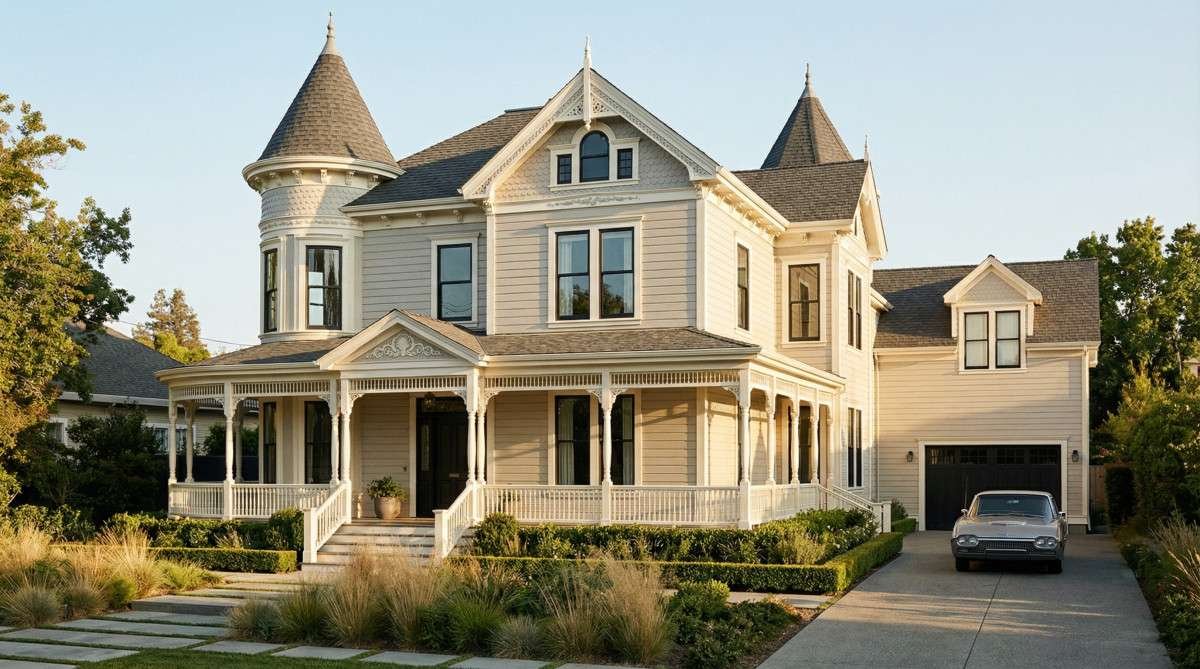

Modernizing traditional homes in established neighborhoods across the United States, such as those in historic districts of Charleston, South Carolina, or the Victorian-era homes of San Francisco, California, involves integrating contemporary amenities and aesthetics while meticulously preserving their inherent architectural character and historical significance. This process requires a thoughtful approach to design, material selection, and renovation techniques to ensure that modern updates enhance, rather than detract from, the home’s original charm. Homeowners often seek to improve energy efficiency, update outdated layouts, and incorporate smart home technology, all while maintaining a cohesive visual narrative that respects the property’s past, notes Rentfy Property Management. The goal is to create a living space that offers the comforts and conveniences of the 21st century without sacrificing the unique heritage that makes traditional homes so appealing.
Preserving Architectural Integrity While Modernizing Traditional Homes
Preserving architectural integrity while modernizing traditional homes, particularly in areas like New England with its abundance of Colonial and Federal style residences, means carefully balancing contemporary upgrades with the historical design elements that define the property’s unique character. This involves understanding the original architectural style, materials, and craftsmanship to ensure that any modifications are harmonious and respectful of the home’s heritage. For instance, updating a Victorian home might involve restoring intricate millwork or stained glass, while a mid-century modern residence would focus on clean lines and natural materials. The objective is to enhance functionality and comfort without erasing the visual narrative of the past.
Traditional homes often feature distinctive architectural elements that contribute to their charm and historical value. When modernizing, it is crucial to identify and prioritize these features for preservation or sensitive restoration. This can include original windows, doors, moldings, fireplaces, and built-in cabinetry. Rather than replacing these elements entirely, consider methods of restoration, such as repairing sash windows for improved energy efficiency or refinishing original hardwood floors. Modern interventions should complement these existing features, for example, by selecting contemporary fixtures that echo the lines or materials of the traditional design. The careful integration of new and old ensures that the home retains its soul while gaining modern functionality.
Integrating Modern Amenities and Technology in Traditional Settings
Integrating modern amenities and technology into traditional settings, particularly in homes found in tech-forward cities like Seattle, Washington, or Austin, Texas, involves carefully selecting smart home devices and contemporary fixtures that enhance convenience and efficiency without compromising the historical aesthetic. This means opting for solutions that can be subtly incorporated, such as smart lighting systems that mimic traditional switch designs or integrated climate control that operates seamlessly in older HVAC infrastructures. The goal is to leverage technological advancements to improve daily living while maintaining the home’s authentic character and visual harmony.
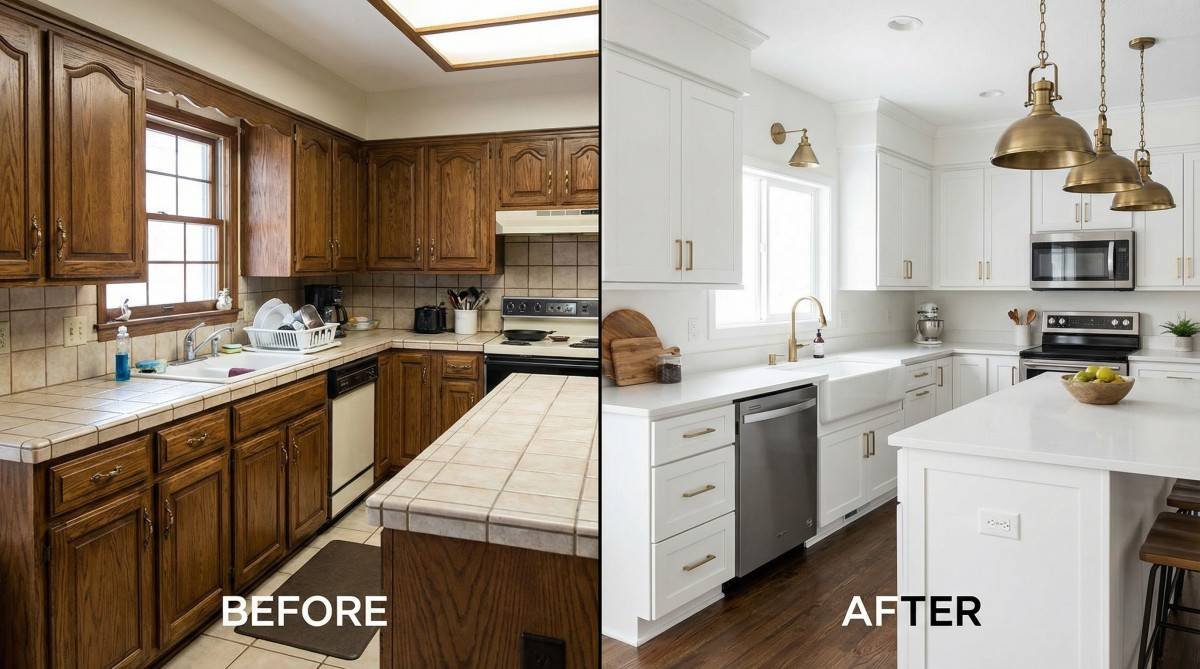
Modernizing a traditional home often involves upgrading its functional aspects to meet contemporary standards of comfort and efficiency. This includes updating kitchens and bathrooms with modern appliances, fixtures, and finishes that offer both aesthetic appeal and improved performance. For example, energy-efficient appliances can significantly reduce utility costs, while low-flow plumbing fixtures contribute to water conservation. Smart home technology, such as automated thermostats, security systems, and integrated entertainment systems, can be seamlessly woven into the fabric of an older home. The key is to choose designs and installations that complement the existing architecture, ensuring that new elements do not clash with the traditional charm but rather enhance the overall living experience. Thoughtful planning allows for a harmonious blend of historical elegance and modern convenience.
Balancing Open Layouts with Traditional Spaces in Historic Residences
Balancing open layouts with traditional spaces in historic residences, common in areas like New Orleans, Louisiana, where homes often feature distinct rooms and intricate details, requires strategic design interventions that enhance flow and natural light without sacrificing the charm of defined areas. This approach involves selective removal of non-load-bearing walls, creating wider doorways, or incorporating glass partitions to foster a sense of openness while preserving the architectural rhythm and historical character of the home. The objective is to achieve a contemporary living experience that respects the original spatial organization and unique heritage of the property.
Traditional homes are often characterized by more compartmentalized layouts, with distinct rooms for specific functions. While modern living often favors open-concept spaces, a complete overhaul can sometimes detract from the historical character of an older home. A balanced approach involves strategically opening up certain areas, such as connecting a kitchen to a dining room, while retaining the integrity of other formal spaces. This can be achieved through careful planning, potentially involving the removal of non-load-bearing walls, widening existing doorways, or using architectural elements like archways to create a sense of connection without fully merging rooms. The goal is to improve circulation and natural light, making the home feel more expansive and adaptable to contemporary lifestyles, all while honoring the original design intent. This thoughtful integration ensures that the home remains functional and aesthetically pleasing for modern inhabitants.
Selecting Materials and Finishes for a Harmonious Blend
Selecting materials and finishes for a harmonious blend in modernizing traditional homes, particularly those in regions like the Pacific Northwest known for their natural wood and stone elements, involves choosing contemporary options that complement the existing historical palette rather than clashing with it. This means opting for durable, high-quality materials that reflect both modern design sensibilities and the timeless appeal of traditional craftsmanship, ensuring a cohesive aesthetic throughout the renovated space. The objective is to create an updated interior that feels fresh and current while respecting the home’s original character and regional architectural influences.
The choice of materials and finishes plays a pivotal role in successfully modernizing a traditional home. The aim is to introduce contemporary elements that harmonize with the existing historical context. For flooring, consider options like wide-plank hardwood, polished concrete, or large-format tiles that offer a modern aesthetic while still feeling grounded. Wall colors can be updated with a neutral palette to create a serene backdrop, allowing architectural details and curated furnishings to stand out. In kitchens and bathrooms, modern cabinetry with clean lines can be paired with classic countertop materials like marble or quartz. Fixtures and hardware in finishes such as brushed brass, matte black, or polished nickel can bridge the gap between old and new. The careful selection of these elements ensures that the modernized home feels cohesive, sophisticated, and respectful of its heritage, avoiding a disjointed appearance. This thoughtful approach creates spaces that are both functional and visually appealing, reflecting a balanced blend of eras.
Frequently Asked Questions
What are the initial steps to modernize a traditional home?
The initial steps to modernize a traditional home involve a thorough assessment of the property’s architectural style, structural integrity, and existing systems. This includes identifying key historical features to preserve, evaluating areas for functional upgrades like kitchens and bathrooms, and planning for energy efficiency improvements. Consulting with an architect or designer specializing in historical renovations can provide valuable guidance in developing a cohesive plan that respects the home’s heritage while incorporating modern elements.
How can I improve energy efficiency in an older home?
Improving energy efficiency in an older home can be achieved through several methods, including upgrading insulation in walls, attics, and crawl spaces, replacing single-pane windows with energy-efficient alternatives that mimic historical designs, and updating HVAC systems. Sealing air leaks around doors and windows, and installing smart thermostats also contribute significantly to reducing energy consumption and improving indoor comfort.
Is it possible to create an open-concept layout in a traditional home?
Creating an open-concept layout in a traditional home is possible but requires careful planning and structural considerations. It often involves removing non-load-bearing walls to connect spaces like the kitchen, dining, and living areas. For load-bearing walls, structural modifications such as installing beams may be necessary. The goal is to enhance flow and natural light while maintaining the home’s architectural character, often by retaining original trim or incorporating new elements that complement the existing style.
What are some modern design elements that complement traditional architecture?
Modern design elements that complement traditional architecture include a neutral color palette for walls, clean-lined furniture, contemporary lighting fixtures, and minimalist decor. Incorporating natural materials like wood, stone, and metal in updated finishes can also bridge the gap between old and new. The key is to introduce modern pieces that offer contrast without clashing, allowing both styles to stand out and create a balanced aesthetic.
How do I choose the right materials for a modernized traditional home?
Choosing the right materials for a modernized traditional home involves selecting options that are durable, aesthetically pleasing, and harmonious with the existing historical context. For example, using classic materials like marble or quartz for countertops alongside modern cabinetry, or opting for wide-plank hardwood flooring. Finishes such as brushed brass or matte black for hardware and fixtures can provide a contemporary touch that still respects the home’s traditional roots. Prioritizing quality and timelessness in material selection ensures a cohesive and lasting design.
Conclusion
Successfully modernizing a traditional home involves a delicate balance between honoring its historical legacy and integrating contemporary comforts. By thoughtfully preserving architectural details, strategically incorporating modern amenities, and carefully selecting materials and finishes, homeowners can create a living space that is both functional and aesthetically pleasing. This approach ensures that the unique character of traditional residences is celebrated, while also providing the conveniences and efficiencies demanded by modern lifestyles. The result is a timeless home that bridges the gap between eras, offering a harmonious blend of past and present for generations to come.

Most Viewed