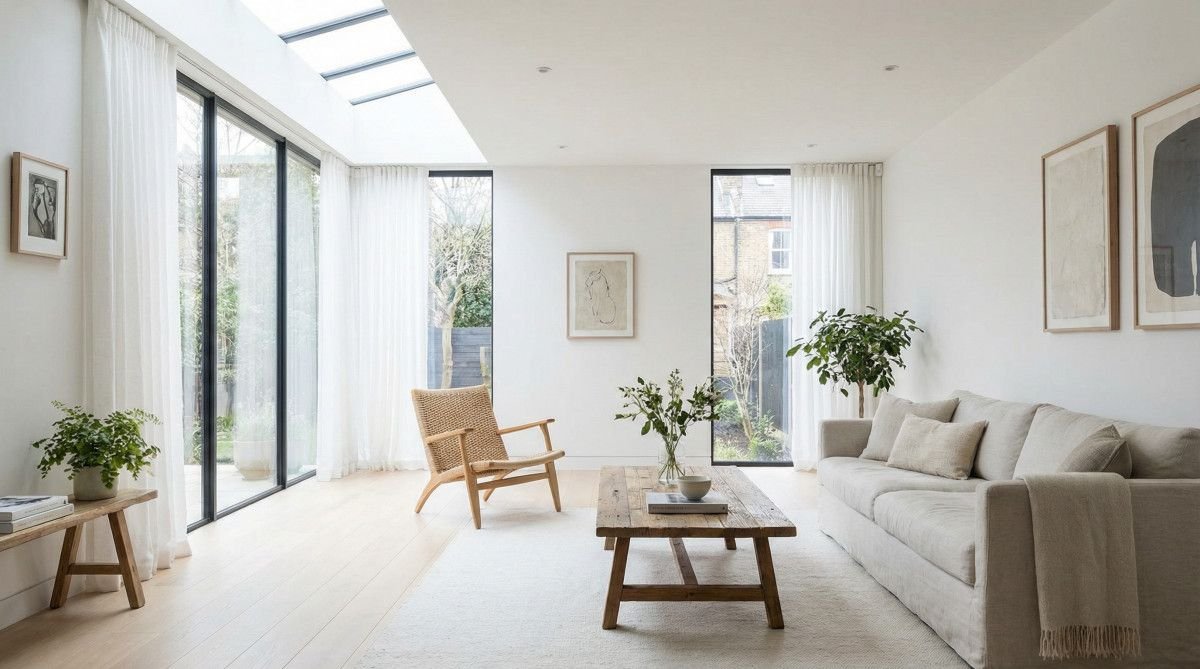

Natural light enhancement involves strategic architectural and design modifications to maximize the amount of sunlight entering a residential space. Implementing these strategies can significantly reduce reliance on artificial lighting, lower energy costs, and create a more inviting living environment. Homeowners and real estate professionals consistently prioritize well-lit spaces due to their positive impact on both property valuation and occupant well-being, emphasizes Service Star Realty solutions. By understanding the principles of light distribution and reflection, individuals can transform dark, enclosed areas into vibrant, open spaces. The following sections detail practical methods for optimizing natural light in various home settings.
Architectural Modifications for Natural Light Enhancement
Architectural modifications for natural light enhancement include installing larger windows, adding skylights, and utilizing light tubes to direct sunlight into interior spaces. These structural changes provide the most significant increase in daylight penetration, fundamentally altering the illumination dynamics of a residential property.
Expanding existing window openings or adding new ones on south-facing walls captures the maximum amount of sunlight throughout the day. Floor-to-ceiling windows and glass doors dissolve the visual barrier between indoor and outdoor environments, allowing light to flood the interior. For rooms situated in the center of a floor plan without exterior wall access, skylights offer a direct path for overhead sunlight. Modern skylight designs incorporate advanced glazing to prevent excessive heat gain while maximizing light transmission.
Light tubes, also known as solar tubes, present a less invasive alternative to traditional skylights. These devices capture sunlight through a small roof dome and channel it down a highly reflective tube to a diffuser installed in the ceiling. This technology is particularly effective for illuminating hallways, bathrooms, and closets where conventional windows are impractical.
Interior Design Strategies to Maximize Daylight
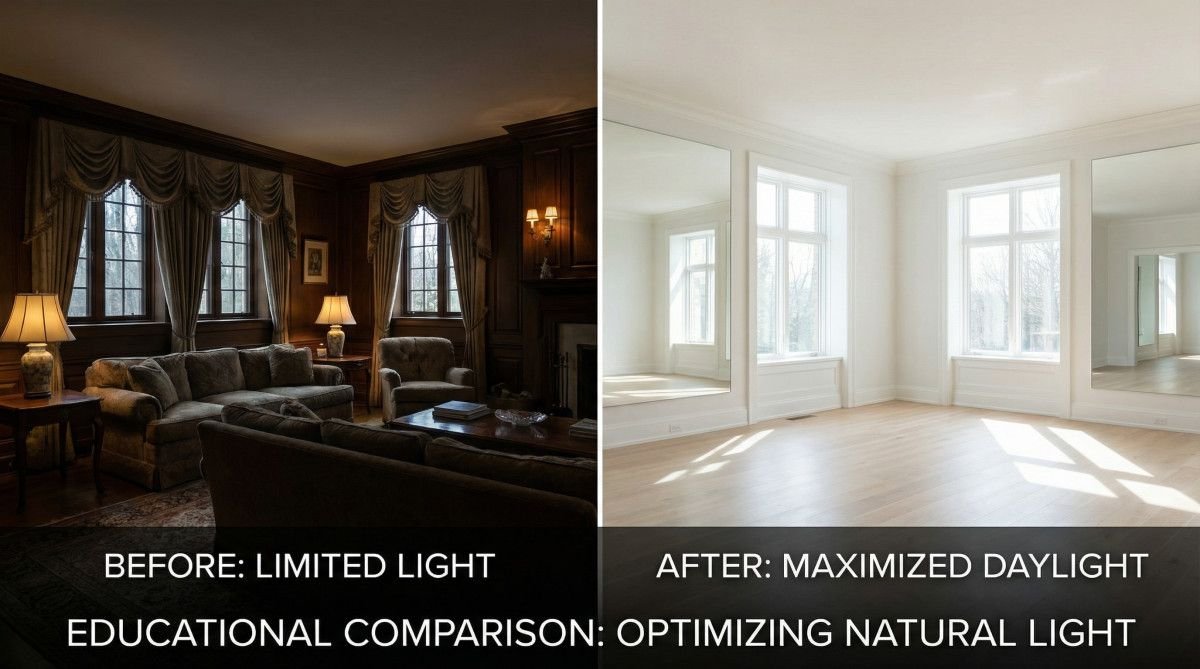
Interior design strategies to maximize daylight involve using light-colored paint, strategically placing mirrors, and selecting reflective flooring materials. These non-structural adjustments bounce existing sunlight deeper into rooms, amplifying the perceived brightness without requiring extensive renovations or architectural changes.
The color palette of a room dictates how light behaves within the space. Pure white and soft neutral tones reflect a high percentage of incoming sunlight, whereas dark colors absorb it. Applying light, reflective paint to walls and ceilings ensures that daylight entering through windows is distributed evenly throughout the room. High-gloss or semi-gloss finishes on ceilings can further enhance this reflective effect.
Mirrors serve as powerful tools for natural light enhancement. Placing a large mirror directly opposite a window effectively doubles the light source, reflecting both illumination and outdoor views into the room. Additionally, incorporating furniture with glass, acrylic, or polished metal surfaces allows light to pass through or bounce off, maintaining a sense of visual openness.
Optimizing daylight within a residential property requires a comprehensive approach that addresses architectural elements, interior design choices, and exterior environmental factors. Implementing strategic modifications, from installing skylights to selecting reflective paint finishes, fundamentally improves the illumination dynamics of a space. These enhancements reduce energy consumption, elevate the aesthetic presentation of the home, and contribute to a healthier indoor environment. As the real estate market continues to prioritize energy efficiency and occupant well-being, properties demonstrating effective daylight management maintain a distinct competitive advantage. By applying the principles outlined, homeowners can successfully transform their living spaces into bright, efficient, and highly desirable environments.
Window Treatments and Light Control
Window treatments for light control require balancing privacy needs with maximum daylight admission by utilizing sheer fabrics, cellular shades, or adjustable blinds. Proper selection ensures that natural light enhancement is achieved without compromising comfort, preventing harsh glare, or exposing interiors to excessive solar heat gain.
Heavy, opaque drapery significantly reduces the amount of sunlight entering a room, even when fully open. Replacing these with sheer curtains allows diffused light to penetrate while maintaining a basic level of privacy. For spaces requiring variable light control, such as bedrooms or home offices, top-down bottom-up shades offer precise adjustment. These shades can be lowered from the top to admit daylight while keeping the lower portion closed for privacy.
Automated window treatments integrated with smart home systems optimize natural light enhancement throughout the day. These systems can be programmed to adjust blinds or shades based on the sun’s position, maximizing daylight during optimal hours and closing to prevent overheating during peak afternoon sun.
Landscaping and Exterior Considerations
Landscaping and exterior considerations for natural light enhancement involve trimming overgrown vegetation, planting deciduous trees strategically, and utilizing light-colored hardscaping. Managing the outdoor environment directly impacts the volume of sunlight that can reach exterior windows and penetrate the home’s interior.
Large trees and dense shrubs positioned close to windows cast significant shadows, obstructing daylight. Regular pruning and maintenance ensure that vegetation does not impede light transmission. When planting new trees, selecting deciduous species for south and west exposures provides a strategic advantage. These trees offer shade during the summer months, reducing cooling costs, and shed their leaves in the winter, allowing sunlight to warm and illuminate the home.
The materials used in patios, walkways, and retaining walls also influence interior lighting. Light-colored concrete or stone reflects sunlight upward and into adjacent windows. Conversely, dark asphalt absorbs light. By incorporating reflective hardscaping elements near the foundation, homeowners can passively increase the ambient light entering lower-level rooms.
The Impact of Natural Light on Property Value
The impact of natural light on property value is substantial, as homes with abundant daylight typically sell faster and command higher market prices. Real estate professionals recognize natural light enhancement as a key feature that improves aesthetic appeal, energy efficiency, and overall buyer interest.
Prospective buyers consistently rank natural light as a highly desirable feature in residential properties. Bright, sunlit rooms appear more spacious and welcoming, creating a strong positive initial impression during viewings. The aesthetic benefits of natural light highlight architectural details, flooring, and finishes, presenting the home in its best possible condition.
Beyond aesthetics, the energy efficiency associated with natural light enhancement appeals to cost-conscious buyers. Homes that require less artificial lighting and benefit from passive solar heating demonstrate lower utility expenses. Consequently, investments in larger windows, skylights, and reflective interior designs often yield a high return on investment during the resale process.
Frequently Asked Questions
What is the most cost-effective way to increase natural light?
The most cost-effective way to increase natural light is by utilizing interior design strategies such as painting walls in light, reflective colors and strategically placing mirrors opposite existing windows. These methods require minimal investment compared to structural changes while significantly amplifying available daylight.
Do skylights add value to a home?
Yes, skylights add value to a home by increasing natural light penetration, improving energy efficiency, and enhancing the aesthetic appeal of interior spaces. Well-installed, modern skylights are attractive features for potential buyers, often contributing to a higher resale value.
How do light tubes compare to traditional skylights?
Light tubes are generally less expensive and easier to install than traditional skylights, making them ideal for small spaces like hallways and bathrooms. However, traditional skylights provide a direct view of the sky and can offer ventilation, whereas light tubes only transmit diffused sunlight.
Can landscaping really affect indoor natural light?
Yes, landscaping significantly affects indoor natural light. Overgrown trees and shrubs near windows block sunlight, while strategically placed deciduous trees can provide summer shade and allow winter light. Light-colored hardscaping near the home can also reflect additional sunlight indoors.
What are the best window treatments for maximizing daylight?
The best window treatments for maximizing daylight are sheer curtains, cellular shades, and top-down bottom-up blinds. These options allow diffused light to enter the room while providing adjustable privacy and glare control, unlike heavy, opaque drapes that block sunlight entirely.
Optimizing daylight within a residential property requires a comprehensive approach that addresses architectural elements, interior design choices, and exterior environmental factors. Implementing strategic modifications, from installing skylights to selecting reflective paint finishes, fundamentally improves the illumination dynamics of a space. These enhancements reduce energy consumption, elevate the aesthetic presentation of the home, and contribute to a healthier indoor environment. As the real estate market continues to prioritize energy efficiency and occupant well-being, properties demonstrating effective daylight management maintain a distinct competitive advantage. By applying the principles outlined, homeowners can successfully transform their living spaces into bright, efficient, and highly desirable environments.

Most Viewed