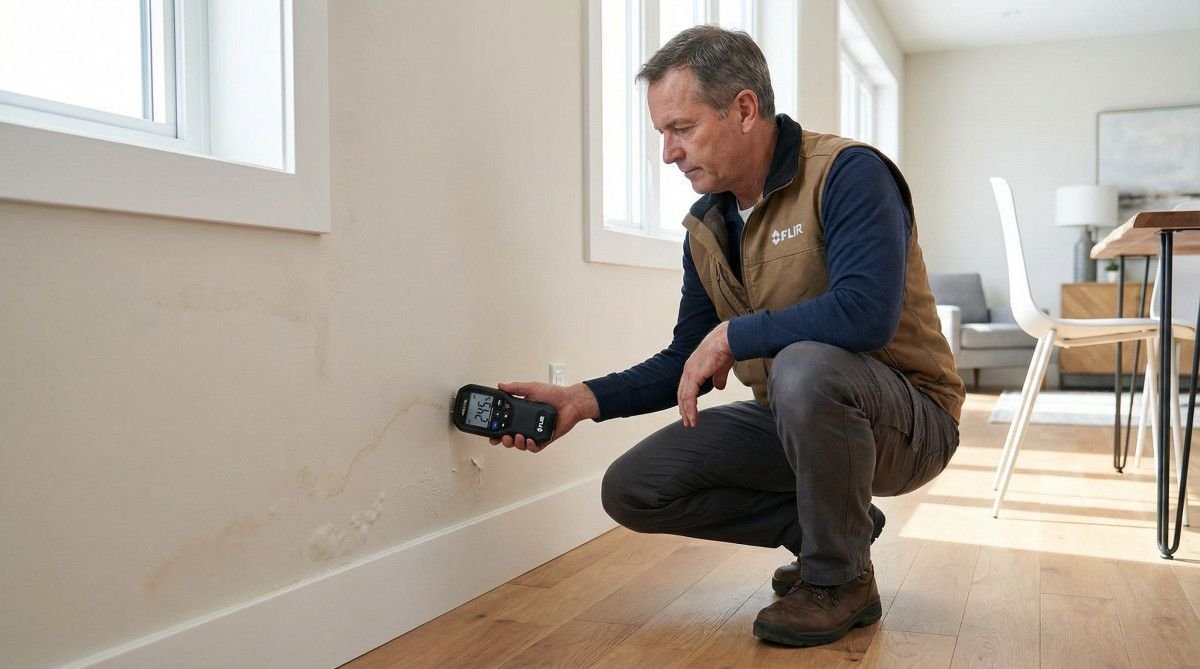

To determine how to tell if walls have mold behind them, you must look for subtle signs such as a persistent musty odor, unexplained peeling or bubbling paint, and localized discoloration or water stains. Hidden mold thrives in dark, damp environments, making early detection crucial for preventing extensive structural damage and potential health issues, notes property management Medical Lake WA. Identifying these indicators promptly allows for timely intervention and remediation.
Mold growth behind walls is a common issue in residential properties, often resulting from undetected plumbing leaks, roof damage, or poor ventilation. Because the mold is concealed, it can spread significantly before becoming visible. Understanding the warning signs and employing proper detection methods can save property owners significant time and expense. This guide outlines the primary indicators of hidden mold and the steps necessary to address the problem effectively.
Common Signs of Hidden Mold
The most reliable way to identify hidden mold is by recognizing its secondary effects on the building materials and the indoor environment. A persistent, earthy, or musty odor is often the first indicator, even when no mold is visible. Additionally, changes in the appearance of the wall surface, such as peeling paint, bubbling wallpaper, or unexplained discoloration, strongly suggest moisture accumulation and potential mold growth behind the drywall.
Visual inspections should focus on areas prone to moisture, such as bathrooms, kitchens, basements, and walls adjacent to plumbing fixtures. Water stains, which may appear as yellowish or brownish rings, indicate a history of water intrusion. Even if the area feels dry to the touch, past moisture events can provide sufficient conditions for mold spores to germinate and thrive within the wall cavity.
Physical changes to the wall structure also serve as warning signs. Drywall that feels soft, spongy, or warped when pressed indicates significant moisture damage and a high probability of mold. In some cases, baseboards or trim may separate from the wall due to swelling. Monitoring these physical alterations is essential for early detection.
Health Symptoms Indicating Mold Exposure
Unexplained health issues can serve as a critical indicator of hidden mold. Individuals residing in environments with concealed mold often experience persistent respiratory symptoms, such as coughing, wheezing, and nasal congestion, which do not resolve with standard treatments. Allergic reactions, including itchy eyes, skin rashes, and frequent sneezing, may also occur, particularly when spending time in specific rooms.
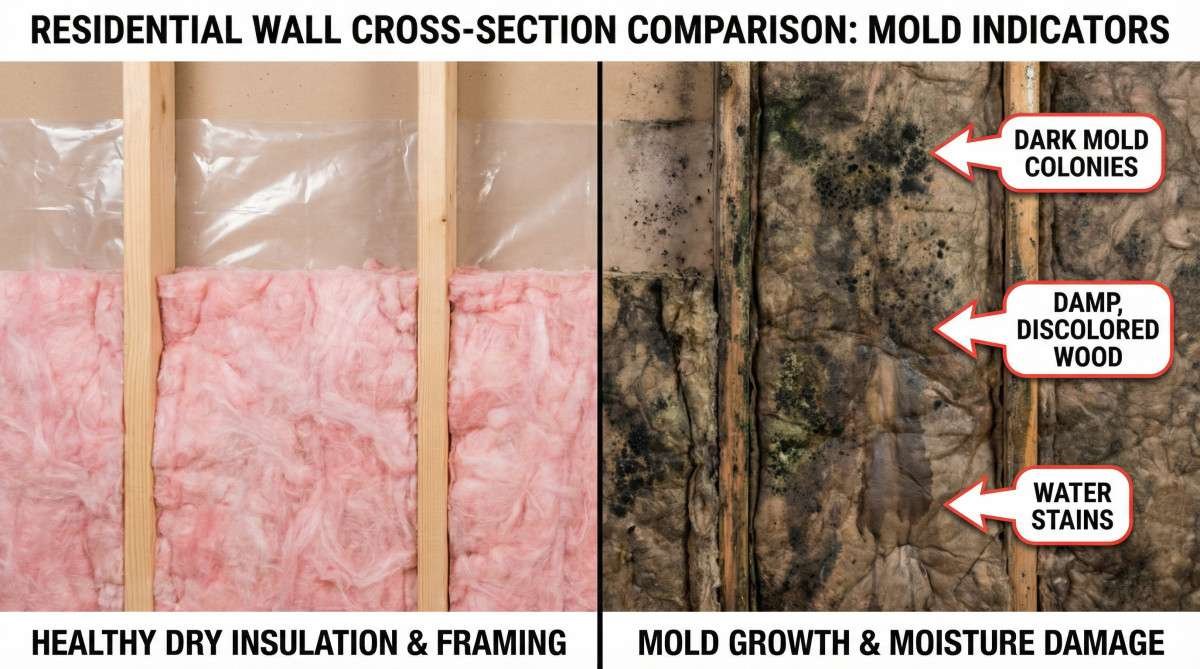
The severity of health symptoms varies depending on the individual’s sensitivity and the type of mold present. Some individuals may experience fatigue, headaches, or exacerbation of pre-existing conditions like asthma. If symptoms improve when leaving the property and worsen upon return, it is a strong indication that the indoor environment, potentially due to hidden mold, is a contributing factor.
It is important to consult a medical professional if you suspect mold exposure is affecting your health. While symptoms alone cannot confirm the presence of mold, they provide valuable context when combined with other physical signs in the building. Addressing the underlying moisture issue is necessary to mitigate these health risks.
Methods for Detecting Mold Behind Walls
Detecting mold behind walls requires specialized approaches to avoid unnecessary damage to the property. Non-invasive methods, such as using a moisture meter, can identify areas with elevated moisture levels within the drywall or framing. Thermal imaging cameras are also effective, as they detect temperature variations that may indicate hidden moisture accumulation, a precursor to mold growth.
When non-invasive methods suggest the presence of moisture, more direct inspection may be necessary. A borescope, a small optical device, can be inserted through a small hole drilled in the wall to visually inspect the cavity. This allows for confirmation of mold growth without removing large sections of drywall. Air quality testing can also be conducted to measure the concentration of mold spores in the indoor environment, providing further evidence of a hidden source.
Professional mold inspectors possess the expertise and equipment required to accurately assess the situation. They can perform comprehensive evaluations, including moisture mapping and material sampling, to determine the extent of the contamination. Engaging a qualified professional ensures a thorough investigation and minimizes the risk of spreading mold spores during the inspection process.
Steps to Take if You Suspect Hidden Mold
If you suspect hidden mold, the immediate priority is to identify and address the source of moisture. This may involve repairing plumbing leaks, improving ventilation, or addressing exterior water intrusion. Failing to resolve the underlying moisture issue will result in recurrent mold growth, regardless of remediation efforts.
Once the moisture source is controlled, it is advisable to consult a certified mold remediation professional. Attempting to remove hidden mold without proper training and containment procedures can release large quantities of spores into the air, exacerbating the problem and increasing health risks. Professionals utilize specialized equipment, such as negative air machines and HEPA filters, to safely remove contaminated materials.
During the remediation process, affected drywall, insulation, and other porous materials must typically be removed and discarded. Structural framing may be cleaned and treated with antimicrobial solutions if the structural integrity is not compromised. Following remediation, a post-remediation verification inspection should be conducted to ensure the area is safe and the mold has been effectively eliminated.
Preventing Mold Growth in Walls
Preventing mold growth requires proactive moisture management. Maintaining indoor humidity levels between 30 and 50 percent is crucial. Utilizing dehumidifiers in damp areas, such as basements, and ensuring proper ventilation in bathrooms and kitchens helps control moisture accumulation. Exhaust fans should be vented directly to the exterior of the building.
Regular maintenance of the property’s exterior is also essential. Inspecting the roof, gutters, and downspouts for damage or blockages prevents water from infiltrating the building envelope. Ensuring proper grading around the foundation directs surface water away from the structure, reducing the risk of basement or crawlspace moisture issues.
Promptly addressing any water leaks or spills is the most effective prevention strategy. Drying water-damaged materials within 24 to 48 hours significantly reduces the likelihood of mold development. Implementing these preventative measures protects the structural integrity of the property and maintains a healthy indoor environment.
Can I test for mold behind walls myself?
While DIY mold testing kits are available, they are generally not recommended for hidden mold. These kits often lack the accuracy and comprehensive analysis provided by professional testing. A certified mold inspector utilizes advanced equipment, such as moisture meters and thermal imaging, to accurately locate and assess hidden mold without causing extensive damage.
What does hidden mold smell like?
Hidden mold typically produces a distinct, persistent odor often described as musty, earthy, or damp. This smell is caused by microbial volatile organic compounds (MVOCs) released by the mold as it grows. If you notice this odor, especially in areas prone to moisture, it is a strong indicator of hidden mold, even if no visible signs are present.
How much does it cost to remove mold from walls?
The cost of mold removal varies widely depending on the extent of the contamination, the location of the mold, and the necessary repairs. Minor remediation may cost a few hundred dollars, while extensive projects involving structural repairs can cost several thousand dollars. Obtaining estimates from multiple certified remediation professionals is recommended.
Does homeowners insurance cover mold removal?
Homeowners insurance coverage for mold removal depends on the cause of the mold. If the mold resulted from a covered peril, such as a sudden and accidental burst pipe, the remediation may be covered. However, mold resulting from neglect, poor maintenance, or long-term leaks is typically excluded from standard policies. Reviewing your specific policy details is necessary.
Is it safe to live in a house with mold behind the walls?
Living in a house with hidden mold poses potential health risks, particularly for individuals with allergies, asthma, or compromised immune systems. Exposure to mold spores and mycotoxins can cause respiratory issues and other health problems. It is advisable to address the mold issue promptly to ensure a safe and healthy living environment.
Identifying hidden mold requires vigilance and an understanding of the subtle indicators that signal moisture accumulation. By recognizing the signs, such as musty odors, physical changes to wall surfaces, and unexplained health symptoms, property owners can take proactive steps to address the issue. Engaging qualified professionals for detection and remediation ensures the problem is resolved safely and effectively, protecting both the property and the health of its occupants.

Most Viewed