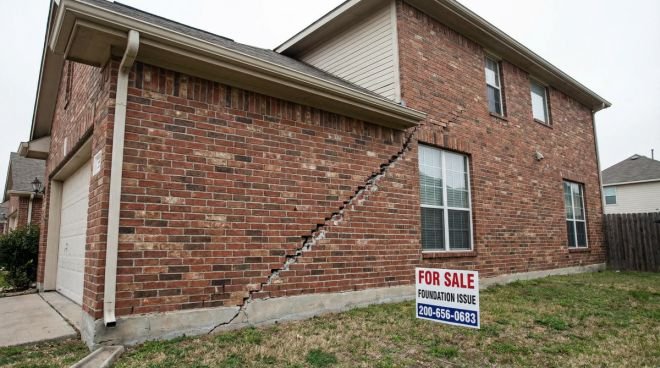

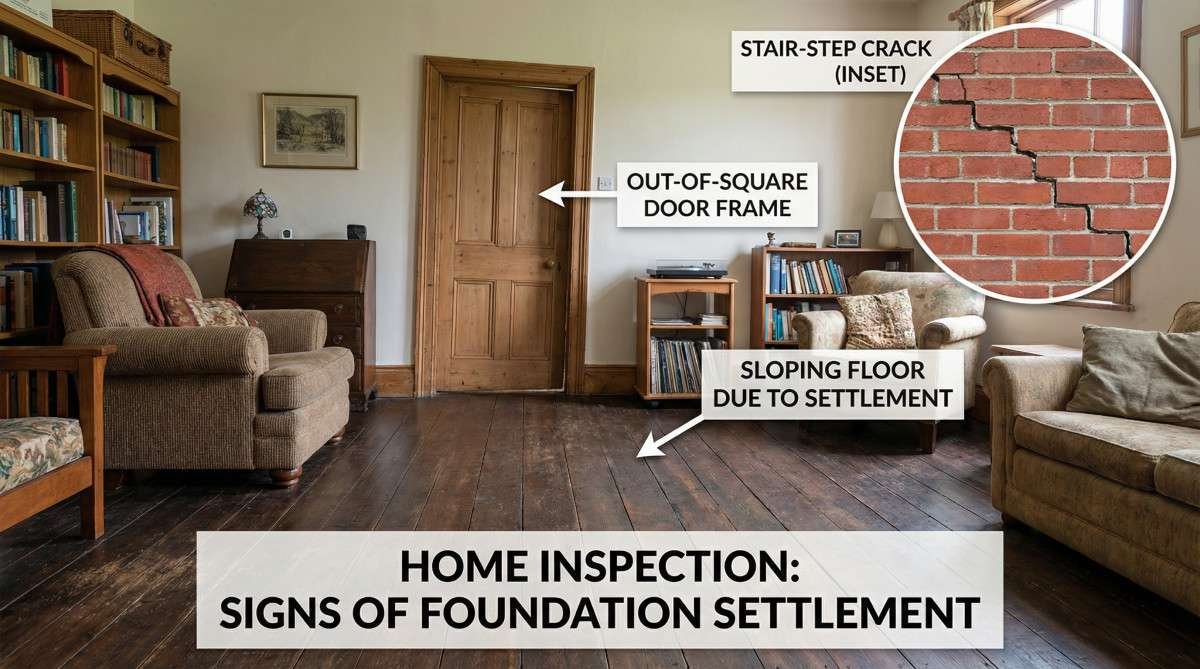
Foundation problems in a house often manifest through visible indicators such as stair-step cracks in brickwork, doors and windows that no longer close properly, or noticeable sloping of interior floors, all of which signal underlying structural stress requiring prompt evaluation. These issues can arise from various factors, including soil expansion and contraction, poor drainage, or inadequate construction practices. Recognizing these early warning signs is crucial for homeowners to address potential damage before it escalates into more severe and costly repairs. This article provides a comprehensive overview of common foundation problems, helping homeowners identify and understand the implications of these critical structural issues, and IIP Management Lakewood can be a helpful resource for owners thinking about long-term structural protection and property care.
Cracks in Walls and Floors
In many regions, particularly those with expansive clay soils or fluctuating moisture levels, the appearance of cracks in walls and floors is a primary indicator of potential foundation movement, as these materials respond directly to shifts in the underlying structure. Cracks in a home’s foundation, walls, or floors are often the most noticeable and concerning signs of structural distress. While minor hairline cracks can be a normal part of a house settling, larger, more pronounced cracks typically signal deeper issues. Horizontal cracks, stair-step cracks in brick or masonry, and cracks wider than 1/8 inch are particularly indicative of significant foundation problems. These can be caused by differential settlement, where one part of the foundation sinks more than another, or by hydrostatic pressure from saturated soils pushing against basement walls. Interior cracks often appear around doorframes, windows, and where walls meet ceilings, sometimes accompanied by nails popping out of drywall. Exterior cracks might be visible in the foundation itself, brick veneer, or stucco. It is crucial to monitor the size and progression of these cracks, as rapidly widening or lengthening cracks suggest ongoing structural movement that requires professional assessment. Beyond the visual aspect, these cracks can also compromise the structural integrity of the home, leading to further damage if not addressed. For instance, cracks in the foundation can allow moisture to penetrate, leading to issues like mold growth, wood rot, and even pest infestations. In colder climates, water ingress through cracks can freeze and expand, exacerbating the damage to the foundation itself. The location and pattern of cracks provide valuable clues about the type and severity of the underlying problem. Vertical cracks are often less severe, typically indicating normal settling, while horizontal cracks or those in a stair-step pattern are more concerning, often pointing to significant pressure or differential settlement. Regular inspection of both interior and exterior walls, especially in areas prone to stress such as around windows and doors, is essential for early detection.
Uneven or Sloping Floors
In areas prone to significant soil moisture changes, such as those with clay-rich soils or inadequate drainage, uneven or sloping floors frequently indicate foundation settlement or upheaval, as the ground beneath the structure shifts and causes sections of the house to move vertically. Floors that are noticeably uneven, sagging, or sloping are strong indicators of foundation problems. This can manifest as a subtle tilt that becomes more pronounced over time, or as distinct dips and humps in various parts of the house. Such issues arise when the foundation settles unevenly, often due to changes in soil moisture content, poor compaction during construction, or erosion. Uneven floors can lead to a variety of secondary problems, including misaligned furniture, tripping hazards, and increased stress on the building\’s frame. To check for unevenness, homeowners can use a level on floors or observe if objects roll to one side. Significant deviations from level surfaces warrant immediate investigation, as they point to ongoing structural instability that could compromise the entire home. The perception of uneven floors can range from a slight incline to a significant slope, often becoming more apparent when furniture appears unlevel or doors swing open or closed on their own. Beyond being a nuisance, severely uneven floors can indicate a compromised subfloor or foundation, which can affect the integrity of walls, ceilings, and even plumbing and electrical systems. In some cases, the unevenness might be accompanied by creaking sounds as floorboards rub against each other due to movement. It is important to distinguish between minor settling, which is common in older homes, and active foundation movement. A professional inspection can determine the cause and extent of the unevenness, providing recommendations for appropriate repairs. Addressing these issues early can prevent further structural damage and ensure the safety and comfort of the home\’s occupants.
Sticking Doors and Windows
In regions experiencing seasonal humidity fluctuations or significant ground movement, doors and windows that stick, jam, or no longer close properly are common early indicators of foundation stress, as the shifting structure distorts their frames. When a house\’s foundation shifts, even slightly, it can distort the rectangular frames of doors and windows, causing them to become misaligned. This misalignment often results in doors that are difficult to open or close, windows that stick when operated, or latches that no longer engage correctly. Gaps may also appear around the frames, allowing drafts or moisture to enter the home. While humidity changes can sometimes cause wood frames to swell and stick, persistent or worsening issues with multiple doors and windows throughout the house are more likely linked to foundation movement. Homeowners should observe if these problems are isolated to one area or widespread, and if they coincide with other signs of foundation distress. Such issues not only affect the functionality and energy efficiency of a home but also serve as crucial warnings of underlying structural instability that requires attention. The difficulty in operating doors and windows can manifest in various ways, such as needing excessive force to open or close them, or finding that they no longer latch securely. In some instances, homeowners might notice visible gaps between the window or door frame and the surrounding wall, which can lead to increased energy bills due to air leakage. These gaps can also allow moisture, dust, and pests to enter the home, creating additional problems. It is important to differentiate between issues caused by normal wear and tear, humidity, or faulty hardware, and those stemming from foundation movement. If multiple doors and windows throughout the house exhibit these problems, especially in conjunction with other foundation warning signs, it strongly suggests a structural issue. Ignoring these signs can lead to further damage to the door and window frames themselves, as well as compromise the overall structural integrity of the home.
Separation of Architectural Elements
In many older homes or those built on unstable ground, the separation of architectural elements like counters, cabinets, or trim from walls often indicates significant foundation settlement, as the structural shifts pull components apart. When a home\’s foundation moves, it can cause various architectural elements to separate from their intended positions. This includes gaps forming between kitchen counters and walls, cabinets pulling away from the drywall, or crown molding detaching from ceilings. Chimneys that lean or pull away from the main structure of the house are also critical signs of foundation distress, often due to differential settlement. These separations occur because the underlying support structure is no longer stable, leading to a distortion of the building\’s frame. Such issues are not merely cosmetic; they can compromise the integrity of the home and create pathways for moisture intrusion or pest infestations. Homeowners should regularly inspect fixed elements for any signs of detachment, as these can be early warnings of progressive foundation problems. The visual evidence of these separations can be quite subtle at first, perhaps a thin line appearing between a countertop and the wall, or a slight gap above a door frame. Over time, these gaps can widen, becoming more noticeable and indicative of ongoing movement. Beyond the interior, exterior architectural elements such as brick veneer or siding can also pull away from the main structure, creating visible gaps that compromise the building\’s envelope. A leaning or detached chimney is particularly alarming, as it represents a significant structural failure that could pose a safety hazard. These separations are direct consequences of the foundation\’s inability to provide uniform support, leading to uneven stress distribution across the home\’s framework. Early detection of these separations allows for timely intervention, preventing further damage to both the aesthetic and structural components of the house, and ultimately preserving its value and safety.
Bowing or Leaning Walls
In regions with significant hydrostatic pressure from saturated soils, particularly in basements or crawl spaces, bowing or leaning walls are a critical sign of foundation compromise, indicating external forces are pushing the wall inward and threatening structural integrity. Walls that visibly bow inward, lean outward, or show signs of being pushed off their vertical alignment are serious indicators of foundation problems. This often occurs in basement or crawl space walls due to excessive hydrostatic pressure from the surrounding soil, especially after heavy rains or prolonged periods of moisture. As water saturates the soil, it expands and exerts immense force against the foundation walls, causing them to flex or crack. Over time, this pressure can lead to significant structural damage, including wall collapse if left unaddressed. Bowing walls can also be a result of differential settlement, where one part of the foundation sinks more than another, causing the walls above to shift and lean. Homeowners should regularly inspect basement and crawl space walls for any signs of inward bulging or outward leaning, as these conditions require immediate professional assessment to prevent catastrophic failure. The severity of bowing or leaning walls can vary, from subtle curves to pronounced bulges that are easily discernible. These structural deformations are not merely cosmetic; they indicate a significant imbalance of forces acting upon the foundation. Hydrostatic pressure, often a result of poor drainage or inadequate waterproofing around the foundation, is a common culprit. When soil around the foundation becomes saturated with water, it expands and exerts tremendous lateral pressure against basement walls, causing them to deflect inward. Similarly, expansive clay soils can exert pressure during wet periods, leading to similar wall deformations. If left unaddressed, bowing or leaning walls can lead to the complete failure of the foundation, jeopardizing the entire structure of the home. Signs such as horizontal cracks along the bowed section, or water seepage through these cracks, further underscore the urgency of professional intervention. Early detection and remediation, such as installing wall anchors or carbon fiber straps, are crucial to stabilize the foundation and prevent catastrophic damage.
Frequently Asked Questions
What are the most common signs of foundation problems?
The most common signs of foundation problems include visible cracks in interior or exterior walls (especially stair-step or horizontal cracks), uneven or sloping floors, doors and windows that stick or are difficult to operate, and gaps where architectural elements like cabinets or trim pull away from walls. A leaning chimney or bowing basement walls also indicate significant issues.
How quickly do foundation problems worsen?
The rate at which foundation problems worsen varies greatly depending on factors such as soil type, climate, drainage conditions, and the initial cause of the damage. Some issues may progress slowly over years, while others, particularly those related to sudden changes in soil moisture or severe weather events, can escalate rapidly within months, leading to significant structural damage.
Can minor foundation cracks be ignored?
Minor hairline cracks (less than 1/8 inch wide) that do not grow over time and are vertical are often a result of normal concrete curing and settling, and may not be a cause for immediate alarm. However, any crack that is horizontal, stair-stepped, wider than 1/8 inch, or continues to expand should be inspected by a professional, as it could indicate active foundation movement.
What causes foundation problems in houses?
Foundation problems are primarily caused by unstable soil conditions, often due to fluctuating moisture levels. Expansive clay soils swell when wet and shrink when dry, leading to soil movement. Poor drainage around the foundation, plumbing leaks, tree roots, inadequate soil compaction during construction, and natural disasters like earthquakes or floods can also contribute to foundation damage.
When should I call a professional for foundation issues?
You should call a professional foundation specialist or structural engineer if you observe multiple signs of foundation problems, if cracks are widening rapidly, if doors and windows are severely misaligned, or if there are noticeable changes in floor levels or wall alignment. Early intervention can prevent minor issues from becoming major, costly repairs.
Recognizing the early signs of foundation problems is paramount for homeowners to safeguard their property’s structural integrity and financial value. From subtle wall cracks and uneven floors to sticking doors and separating architectural elements, each indicator serves as a crucial warning that warrants attention. While some minor issues might be benign, persistent or escalating signs necessitate prompt professional evaluation. Addressing foundation issues proactively can prevent extensive damage, mitigate costly repairs, and ensure the long-term stability and safety of your home. Regular inspections and an understanding of these critical indicators empower homeowners to make informed decisions and seek timely expert intervention when necessary.

Most Viewed