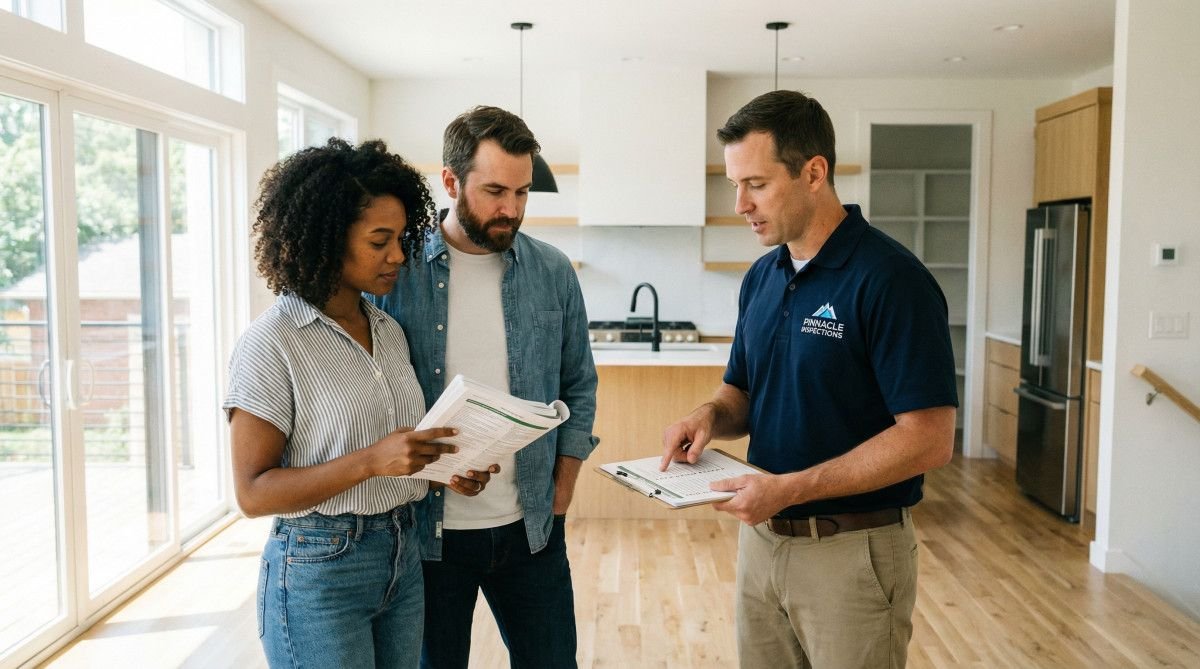

A thorough pre-purchase inspection of a prospective home is crucial, as it uncovers potential structural issues, hidden damages, and costly repairs, empowering buyers to make informed decisions and negotiate effectively on price or necessary renovations, while Pillar Property Management Headingley can help buyers think beyond the inspection report and toward long-term property upkeep.
Understanding the Exterior: Foundation, Roof, and Drainage
When evaluating a property, a meticulous examination of the exterior is paramount, as the foundation’s integrity, the roof’s condition, and proper drainage systems are critical indicators of a home’s long-term stability and can prevent significant future expenses related to water damage or structural compromise.
The exterior of a house provides the first clues about its overall health. Start by walking around the entire perimeter, paying close attention to the foundation. Look for cracks, especially horizontal ones, which can indicate serious structural issues. Vertical cracks are often less severe but should still be noted. Ensure the ground slopes away from the house to prevent water accumulation, which can lead to basement flooding and foundation damage. Inspect the roof for missing, curled, or damaged shingles, as well as signs of sagging. Check gutters and downspouts to ensure they are securely attached, free of debris, and direct water away from the foundation. Poor drainage can cause significant problems over time.
Interior Assessment: Walls, Floors, and Major Systems
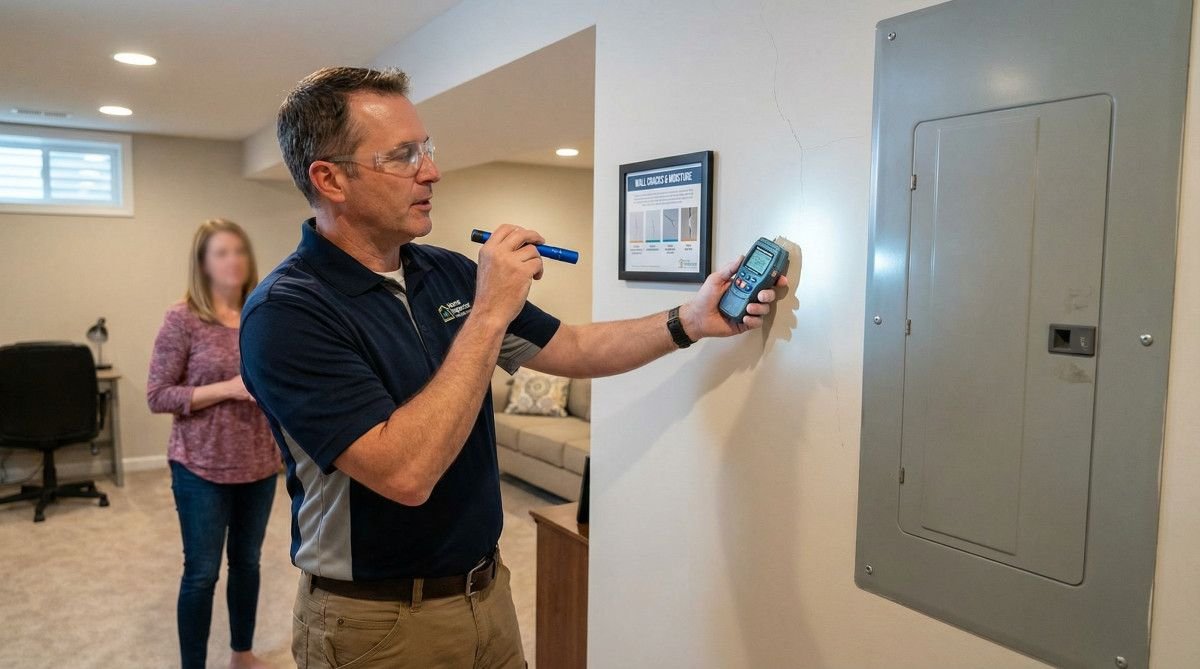
A comprehensive interior assessment is vital for identifying hidden problems within a home, as inspecting walls for cracks or water stains, checking floors for unevenness, and verifying the functionality of HVAC, plumbing, and electrical systems can reveal critical issues that impact safety, comfort, and future maintenance costs.
Inside the home, examine walls and ceilings for cracks, water stains, or signs of mold, which may indicate leaks or ventilation problems. Check floors for unevenness, soft spots, or excessive squeaking, which could point to subfloor or foundation issues. Test all electrical outlets and light switches to ensure they are functional and properly wired. Inspect the plumbing by running water in sinks, showers, and flushing toilets to check for adequate water pressure, drainage, and leaks. Evaluate the HVAC system by testing both heating and cooling functions, listening for unusual noises, and checking the age of the units. Pay attention to any persistent odors, as they can signal hidden issues like mold, pests, or even gas leaks.
Kitchen and Bathrooms: Fixtures, Appliances, and Water Integrity
Thoroughly inspecting the kitchen and bathrooms is essential, as these areas are prone to water-related issues and frequently contain expensive appliances and fixtures, making it crucial to verify their condition, functionality, and absence of leaks to avoid significant repair or replacement costs post-purchase.
In the kitchen, check all built-in appliances (dishwasher, oven, microwave) to ensure they are in working order. Inspect countertops and cabinets for damage, wear, and proper functionality. Run water in the sink to check pressure and drainage, and look for any signs of leaks under the sink. In bathrooms, examine the toilet for stability and proper flushing, and check for leaks around the base. Run water in the shower and sink to assess pressure and drainage, and look for water stains or mold around the tub, shower, and vanity. Verify that exhaust fans are operational and vent to the outside, preventing moisture buildup.
Attic and Basement/Crawl Space: Hidden Vulnerabilities
Inspecting the attic and basement or crawl space is critical, as these often-overlooked areas can harbor significant issues like structural damage, moisture problems, or pest infestations, which, if undetected, can lead to extensive and costly repairs that compromise the entire home’s integrity.
The attic and basement/crawl space are key areas for uncovering hidden problems. In the attic, look for signs of water intrusion, such as stains on the wood or insulation, which indicate roof leaks. Check the insulation for adequacy and proper installation, as this impacts energy efficiency. Ensure there is proper ventilation to prevent moisture buildup. In the basement or crawl space, look for any signs of standing water, dampness, or mold. Inspect the foundation walls for cracks or bowing, and check for pest activity. Verify that sump pumps, if present, are operational. These areas can reveal critical information about the home’s structural health and potential for water-related issues.
Electrical and Plumbing Systems: Safety and Functionality
A meticulous examination of the electrical and plumbing systems is non-negotiable for safety and functionality, as outdated wiring poses fire hazards, inadequate plumbing can lead to water damage, and ensuring these critical infrastructures are up to code prevents dangerous malfunctions and expensive future overhauls.
Electrical systems require careful attention. Check the main electrical panel for proper labeling, rust, or any signs of overheating. Ensure there are no exposed wires or makeshift repairs. Test ground-fault circuit interrupter (GFCI) outlets in bathrooms, kitchens, and outdoor areas. For plumbing, beyond checking individual fixtures, inspect visible pipes for corrosion, leaks, or previous repair attempts. Note the type of piping material; older materials like galvanized steel can indicate potential issues. Verify the water heater’s age and condition, looking for rust or leaks. Confirm that the water pressure is consistent throughout the house.
Neighborhood and Environmental Factors: Beyond the Property Line
Evaluating the surrounding neighborhood and environmental factors is crucial, as external elements like local amenities, noise levels, and potential hazards significantly impact daily living, property value, and long-term satisfaction, extending the assessment beyond the physical structure of the house itself.
While the house itself is important, the surrounding environment plays a significant role. Research the local school districts, crime rates, and proximity to essential amenities like grocery stores, hospitals, and public transportation. Drive through the neighborhood at different times of day to assess traffic and noise levels. Look for any potential environmental hazards, such as flood zones, industrial areas, or unusual odors. Consider the condition of neighboring properties, as they can influence your home’s value and overall living experience. Understanding these external factors is just as important as inspecting the interior and exterior of the house.
Frequently Asked Questions
What are the most common problems found during a home inspection?
Common issues include roofing defects, plumbing leaks, electrical wiring problems, HVAC system malfunctions, and structural concerns such as foundation cracks or water damage in basements and attics.
Should I attend the home inspection?
Yes, attending the home inspection is highly recommended. It allows you to ask questions directly to the inspector, gain a better understanding of the property’s condition, and learn about potential maintenance needs firsthand.
What is a home inspection contingency?
A home inspection contingency is a clause in a purchase agreement that allows the buyer to back out of the deal or negotiate repairs if significant issues are discovered during the inspection, protecting the buyer’s earnest money.
How much does a home inspection cost?
The cost of a home inspection typically ranges from $300 to $500, varying based on the home’s size, age, location, and the specific services included by the inspector.
What happens if major problems are found?
If major problems are found, you can negotiate with the seller for repairs, request a credit to cover repair costs, or, if the contingency allows, withdraw your offer without losing your earnest money.
Making one of the largest financial commitments requires diligence and a clear understanding of the property’s condition. A thorough inspection process, encompassing both visible and hidden aspects of a home, provides invaluable insights. This proactive approach not only safeguards your investment but also ensures that your future residence meets safety standards and aligns with your expectations for comfort and longevity. Prioritizing a detailed examination empowers you to navigate the complexities of homeownership with confidence, transforming a significant purchase into a secure and satisfying experience.

Most Viewed