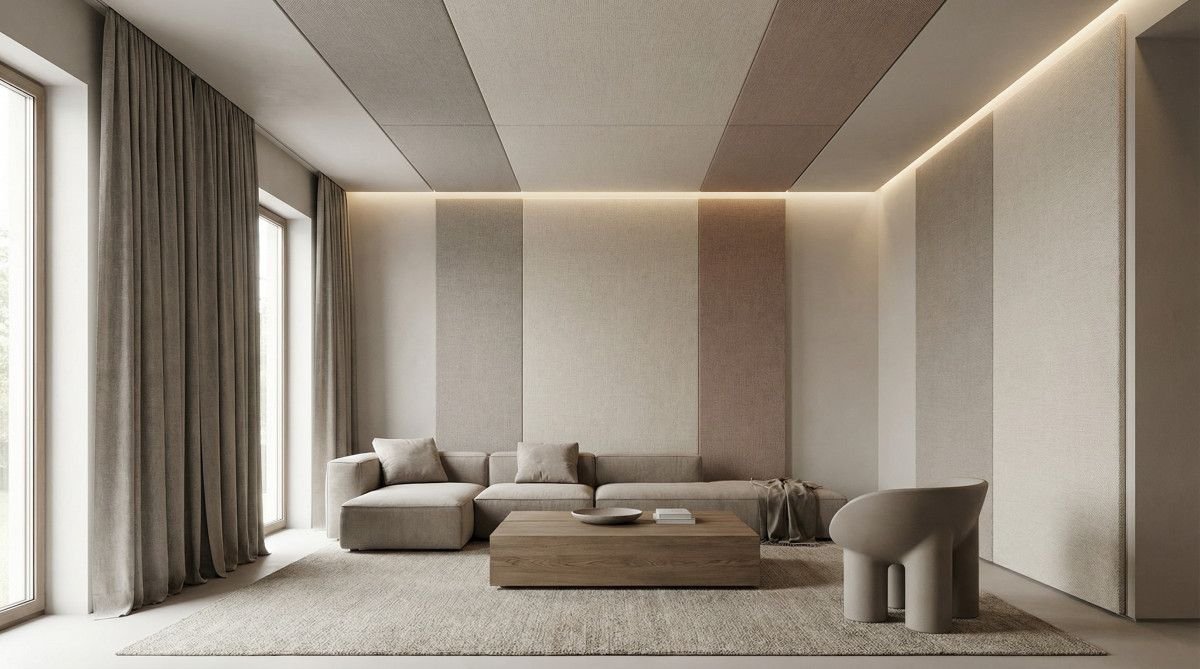

Soundproofing rooms involves implementing various techniques and materials to reduce sound transmission between spaces, thereby enhancing acoustic privacy and comfort within a building. This process is crucial for home theaters, recording studios, bedrooms, and offices where minimizing external noise or containing internal sounds is paramount for functionality and well-being. Effective soundproofing addresses both airborne and impact noise, utilizing principles of mass, damping, decoupling, and absorption to achieve desired acoustic isolation, while Rollingwood Management Round Rock can help owners think about comfort upgrades as part of a broader property-management approach.
The primary goal of soundproofing is to create a barrier that either blocks sound waves from entering or exiting a room, or absorbs them to prevent echoes and reverberation. This is distinct from acoustic treatment, which focuses on improving sound quality within a space rather than preventing sound transfer. Understanding the difference is key to selecting the appropriate methods and materials for any given project, ensuring that the investment yields the intended results for noise control.
Achieving optimal sound insulation requires a comprehensive approach that considers all potential pathways for sound transmission, including walls, ceilings, floors, windows, and doors. Even small gaps or unsealed areas can significantly compromise the effectiveness of an otherwise well-executed soundproofing plan. Therefore, attention to detail and a systematic application of sound-blocking and sound-absorbing elements are essential for success in creating a truly quiet environment.
Understanding the Fundamentals of Soundproofing
Soundproofing fundamentally works by interrupting the path of sound waves, primarily through increasing mass, introducing damping, decoupling structures, and absorbing sound energy within a space. Increasing the mass of a barrier, such as adding extra layers of drywall, makes it harder for sound waves to vibrate through it, thus reducing transmission. Damping materials convert sound energy into heat, dissipating it rather than allowing it to pass through or reflect. Decoupling involves separating structural elements to prevent vibrations from traveling directly from one side to another, often achieved with staggered studs or resilient channels. Finally, sound absorption uses porous materials to trap sound waves, reducing echoes and reverberation within the room itself.
The effectiveness of soundproofing is measured by its Sound Transmission Class (STC) rating, which indicates how well a building partition attenuates airborne sound. Higher STC ratings signify better sound insulation. For instance, a standard interior wall might have an STC of 30-35, while a highly soundproofed wall could achieve an STC of 50 or more. Understanding these principles allows for targeted interventions that address specific noise problems, whether it is loud conversations from an adjacent room or impact noise from upstairs.
Beyond STC, Impact Isolation Class (IIC) ratings are important for floors, measuring their ability to resist the transmission of impact noises like footsteps. A holistic soundproofing strategy considers both airborne and impact noise, applying appropriate solutions to each. This often involves a combination of techniques, as no single material or method provides a complete solution for all types of sound transmission. A layered approach, utilizing different materials with varying densities and properties, typically yields the best results.
Key Materials and Techniques for Effective Soundproofing
Effective soundproofing relies on a strategic combination of specialized materials and proven techniques that address different aspects of sound transmission, including mass, damping, decoupling, and absorption. Common materials include mass loaded vinyl (MLV) for adding density to walls and floors, acoustic caulk for sealing gaps, and resilient channels or sound clips for decoupling drywall from studs. Techniques range from constructing double-stud walls to installing sound-absorbing panels and using solid core doors, each contributing to a higher overall Sound Transmission Class (STC) rating for the treated space.
Selecting the right materials depends on the type of noise being mitigated and the specific area of the room being treated. For instance, windows are often weak points in a soundproofing scheme, requiring specialized laminated glass or secondary glazing systems. Doors can be upgraded to solid core versions with acoustic seals and sweeps to prevent sound leakage. Floors benefit from underlayments that absorb impact noise and add mass, while ceilings can be treated with suspended systems or additional layers of drywall and insulation.
The following table outlines common soundproofing materials and their primary applications, providing a clear overview of how each contributes to a quieter environment. This comparative analysis helps in making informed decisions about which products are best suited for different sound control challenges within a home or commercial space.
| Material | Primary Function | Common Application |
|---|---|---|
| Mass Loaded Vinyl (MLV) | Adds mass to barriers | Walls, floors, ceilings, wrapping pipes |
| Acoustic Caulk/Sealant | Seals gaps and cracks | Around windows, doors, electrical outlets |
| Resilient Channels/Sound Clips | Decouples drywall from studs | Walls, ceilings |
| Mineral Wool Insulation | Sound absorption, adds mass | Wall cavities, ceiling joists |
| Green Glue Damping Compound | Damps vibrations between layers | Between drywall layers |
| Solid Core Doors | Blocks airborne sound | Room entrances |
| Laminated Glass Windows | Blocks airborne sound | Exterior windows |
Each material plays a vital role in a comprehensive soundproofing strategy. Combining these elements effectively creates a multi-layered defense against unwanted noise, significantly improving the acoustic comfort of any room. Proper installation is as critical as material selection, as even the best products will underperform if not applied correctly and meticulously.
Step-by-Step Guide to Soundproofing a Room
Soundproofing a room systematically involves assessing noise sources, sealing all potential sound leaks, adding mass to surfaces, decoupling structures, and incorporating sound-absorbing materials to achieve optimal acoustic isolation. The process begins with identifying where sound is entering or exiting the room, which often includes gaps around doors and windows, electrical outlets, and thin walls. Addressing these weak points first provides the most significant improvements in sound reduction before moving on to more extensive structural modifications, ensuring a cost-effective and efficient approach to noise control.
The initial step is a thorough inspection of the room to pinpoint all air gaps and cracks. Use acoustic caulk to seal any openings around window frames, door frames, electrical boxes, and plumbing penetrations. Even small gaps can allow a considerable amount of sound to pass through. Next, focus on doors and windows, which are often the weakest links. Install door sweeps and weatherstripping to create a tight seal around doors, and consider upgrading to solid core doors or adding mass with soundproof blankets. For windows, heavy curtains, secondary glazing, or laminated glass can make a substantial difference.
Once leaks are sealed, the next phase involves adding mass and damping to walls, ceilings, and floors. For walls, consider adding an extra layer of drywall, ideally with a damping compound like Green Glue between the layers. For even greater sound isolation, install resilient channels or sound clips before adding the second layer of drywall to decouple the wall surface from the studs. In ceilings, add mass with extra drywall and fill cavities with mineral wool insulation. For floors, an acoustic underlayment beneath the finished flooring can significantly reduce impact noise transmission to rooms below.
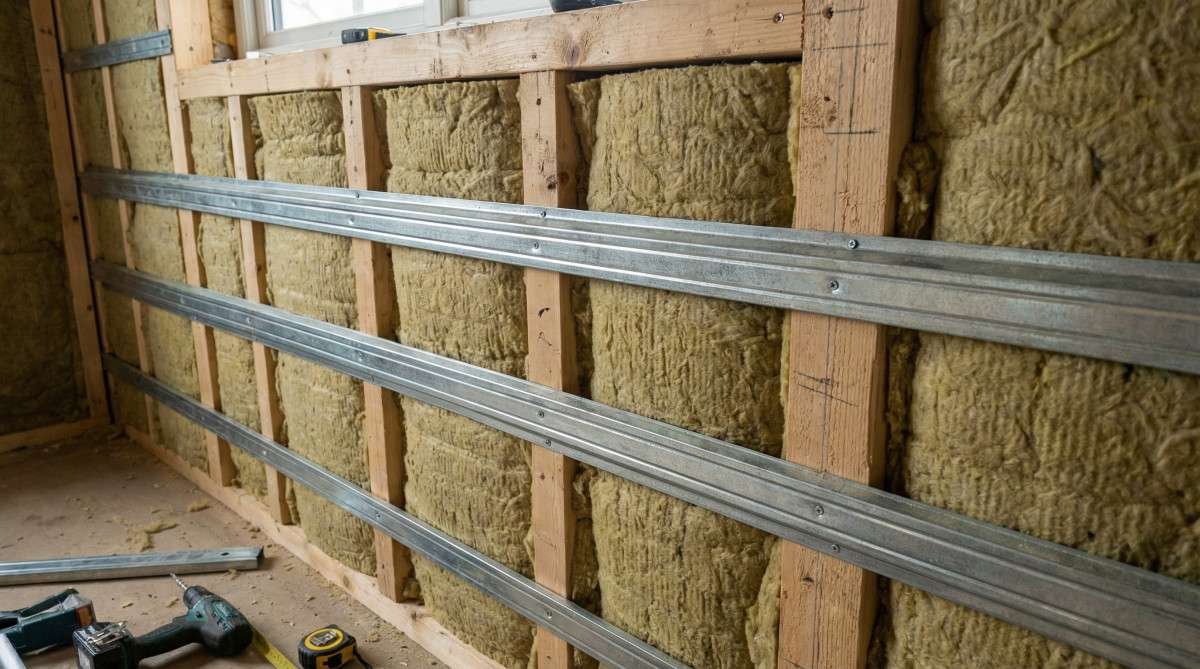
Finally, incorporate sound-absorbing materials within the room to control reverberation and improve internal acoustics. While not strictly soundproofing, reducing echo can make a room feel quieter and more comfortable. This can be achieved with acoustic panels, thick rugs, heavy drapes, and upholstered furniture. By following these steps, from sealing gaps to adding mass and absorption, a significant improvement in the room’s sound isolation can be achieved, creating a much quieter and more private space.
Common Challenges and Cost Considerations in Soundproofing
Soundproofing projects frequently encounter challenges such as identifying the precise source of noise, dealing with flanking paths where sound bypasses primary barriers, and balancing effectiveness with aesthetic and budgetary constraints. A common issue is underestimating the impact of small gaps or overlooked structural elements, which can severely compromise the overall sound reduction. Additionally, the cost of high-performance soundproofing materials and professional installation can be substantial, requiring careful planning and prioritization to achieve desired results within a realistic budget without sacrificing critical performance. Addressing these aspects early is vital for project success.
One significant challenge is the phenomenon of flanking noise, where sound travels around or through indirect paths rather than directly through the treated barrier. This can include sound traveling through adjacent walls, ceilings, floors, or even through ductwork and plumbing. Identifying and mitigating these flanking paths often requires a holistic approach and can be more complex than simply treating the main wall or ceiling. Professional acoustic assessments can be invaluable in diagnosing these less obvious sound transmission routes.
Cost is another primary consideration. The expense of soundproofing can vary widely depending on the desired level of noise reduction, the size of the room, and the materials and labor involved. Basic solutions like sealing gaps and adding weatherstripping are relatively inexpensive, while constructing double-stud walls, installing specialized acoustic windows, or using high-density mass loaded vinyl can significantly increase costs. Homeowners should budget for both materials and potential professional installation, as improper installation can negate the benefits of even the most expensive products.
It is important to prioritize areas based on the most problematic noise sources and the desired outcome. For example, soundproofing a bedroom for sleep might require a higher STC rating than soundproofing a home office for general concentration. Understanding these priorities helps in allocating resources effectively. While DIY options exist for simpler tasks, complex soundproofing projects often benefit from the expertise of acoustic consultants or experienced contractors to ensure optimal performance and avoid costly mistakes.
Long-Term Benefits and Maintenance for Soundproofed Rooms
Investing in soundproofing offers significant long-term benefits, including enhanced privacy, improved sleep quality, increased productivity, and a more comfortable living or working environment, all of which contribute to the overall value and enjoyment of a property. Properly installed soundproofing requires minimal maintenance, primarily focusing on ensuring seals remain intact and materials are not damaged, thereby preserving its effectiveness for many years. The initial investment yields continuous returns through a quieter, more functional space that positively impacts daily life and potentially increases property appeal for future resale. These advantages extend beyond immediate comfort to tangible improvements in lifestyle and property utility.
The enhanced privacy provided by soundproofing is invaluable, particularly in multi-family dwellings or homes with diverse activities occurring simultaneously. It allows for distinct zones where conversations, music, or work can proceed without disturbing others. For home offices or creative spaces, reduced external noise leads to fewer distractions and greater focus, directly impacting productivity and the quality of work produced. In bedrooms, the absence of disruptive sounds promotes deeper, more restorative sleep, which is fundamental for health and well-being.
Maintenance for soundproofed rooms is generally straightforward. The most critical aspect is regularly checking the integrity of acoustic seals around doors and windows. Over time, weatherstripping and door sweeps can wear out or become dislodged, creating small gaps that compromise sound isolation. Replacing these components as needed is a simple yet effective way to maintain performance. Similarly, inspect any visible acoustic panels or treatments for damage or detachment, ensuring they remain securely in place to continue absorbing sound effectively.
Beyond seals, the materials used in soundproofing, such as additional drywall layers or insulation, are typically durable and require no ongoing maintenance once installed. The long-term effectiveness largely depends on the quality of the initial installation and the longevity of the sealing components. By addressing minor wear and tear promptly, the benefits of a soundproofed room can be enjoyed for decades, making it a worthwhile and enduring home improvement.
Frequently Asked Questions
What is the most effective way to soundproof an existing wall?
The most effective way to soundproof an existing wall involves a multi-layered approach that adds mass, damping, and decoupling. This typically includes adding a second layer of drywall with a damping compound like Green Glue between the layers. For superior results, install resilient channels or sound clips before the second drywall layer to decouple it from the existing studs, significantly reducing sound transmission through vibrations. Filling wall cavities with mineral wool insulation also enhances sound absorption and mass.
Can I soundproof a room on a budget?
Yes, soundproofing a room on a budget is possible by focusing on sealing air gaps and adding mass to weak points. Start by using acoustic caulk to seal all cracks and openings around windows, doors, and electrical outlets. Install door sweeps and weatherstripping. Heavy curtains and thick rugs can help absorb sound within the room. While these methods won’t achieve professional-grade soundproofing, they can significantly reduce noise at a lower cost.
How do I soundproof windows and doors?
To soundproof windows and doors, prioritize sealing all perimeter gaps. For doors, install a high-quality door sweep at the bottom and weatherstripping around the frame to create an airtight seal. Upgrading to a solid core door provides more mass. For windows, use acoustic caulk to seal gaps, install heavy, sound-absorbing curtains, or consider secondary glazing panels. Laminated glass windows are also highly effective for blocking external noise.
What is the difference between soundproofing and acoustic treatment?
Soundproofing aims to prevent sound from entering or leaving a room, focusing on blocking sound transmission through barriers. It involves adding mass, damping, and decoupling. Acoustic treatment, conversely, focuses on improving the sound quality within a room by reducing echoes and reverberation. This is achieved using sound-absorbing materials like acoustic panels and bass traps, which manage sound reflections inside the space rather than preventing sound transfer between spaces.
Is it possible to completely soundproof a room?
Achieving 100% complete soundproofing, meaning zero sound transmission, is extremely difficult and often impractical for residential settings, even with extensive measures. The goal is typically to achieve a significant reduction in noise to a comfortable and functional level. While professional studios can achieve very high levels of sound isolation, most home soundproofing projects aim for substantial noise attenuation, making the room much quieter and more private, rather than absolute silence.
Creating a quieter, more private, and functional living or working space through soundproofing is a valuable home improvement that yields lasting benefits. By understanding the principles of sound transmission, selecting appropriate materials, and applying systematic techniques, homeowners can significantly reduce unwanted noise. The effort invested in sealing gaps, adding mass, and decoupling structures contributes to a more serene environment, enhancing comfort, productivity, and overall well-being. This strategic approach ensures that the investment in sound control provides a tangible and enduring improvement to any property.

Most Viewed