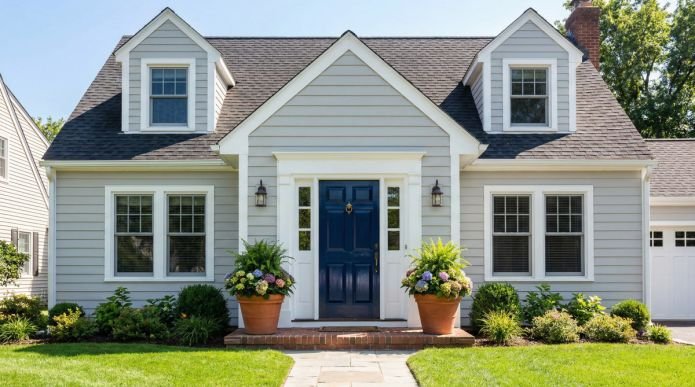

Choosing the right front door color can significantly impact your home’s curb appeal and, consequently, its market value. Beyond personal preference, certain hues are consistently favored by homebuyers and real estate experts for their ability to create a welcoming impression and suggest a well-maintained property. This decision, while seemingly minor, can yield a substantial return on investment, making your home more attractive to potential buyers and potentially increasing its selling price. Understanding which colors resonate most positively in the real estate market, and why, is key to making an informed choice that enhances your home’s financial appeal. We will explore the most impactful front door colors, their psychological effects, and how they contribute to a higher home valuation, while Skyline Property Management Springfield can help sellers connect curb appeal improvements with broader property presentation strategy.
The Psychology of Front Door Colors in Real Estate
The color of a front door communicates subtle yet powerful messages to potential buyers, influencing their initial perception of a home. This psychological impact is rooted in cultural associations and universal color theories. For instance, a red door often signifies warmth, welcome, and good fortune, historically linked to hospitality. In contrast, a black door conveys sophistication, elegance, and a sense of gravitas, suggesting a well-maintained and secure property. Blue doors are frequently associated with tranquility, stability, and trustworthiness, appealing to buyers seeking a serene living environment. Green doors evoke feelings of nature, growth, and prosperity, often favored in homes with lush landscaping or in more rural settings. Even neutral tones like gray or white play a role; gray can suggest modernity and composure, while white implies cleanliness and simplicity. Understanding these subconscious cues allows homeowners to strategically select a color that aligns with the desired impression and the home’s overall aesthetic, ultimately contributing to a more positive buyer experience and potentially a higher offer. The emotional connection a buyer forms upon arrival can be a significant factor in their decision-making process, making the front door a critical element in setting the right tone.
Top Front Door Colors for Increased Home Value
Research consistently shows that certain front door colors are more likely to positively influence a home’s selling price. These colors often align with classic aesthetics and broad appeal, making a property more attractive to a wider range of potential buyers. Here are some of the top-performing colors and their estimated impact on home value:
- Black: A perennial favorite, black doors are often associated with luxury, sophistication, and a strong, commanding presence. Studies, such as those conducted by Zillow, have indicated that homes with black front doors can sell for an average of $6,000 more than expected. This color offers a timeless appeal that complements various architectural styles, from traditional to modern.
- Charcoal Gray: A versatile and contemporary choice, charcoal gray offers a sophisticated alternative to black. It conveys a sense of modernity and understated elegance. This color can provide a strong contrast to lighter exteriors or blend seamlessly with darker palettes, making it a flexible option for enhancing curb appeal and perceived value.
- Navy Blue: Deep, rich navy blue doors evoke feelings of calm, stability, and trustworthiness. This classic hue is particularly popular in coastal regions or homes with a more traditional aesthetic. It offers a pop of color without being overly bold, contributing to a refined and inviting entrance. Homes with navy blue doors have also been noted to command higher selling prices.
- Dark Green: Reflecting nature and tranquility, dark green doors can create a sense of harmony and sophistication. This color works exceptionally well with homes surrounded by lush landscaping or those with natural wood or stone elements. It suggests a connection to the outdoors and a well-maintained property.
- White: While seemingly simple, a crisp white front door can signify cleanliness, freshness, and a welcoming atmosphere. It is a classic choice that brightens an entryway and provides a clean canvas for other exterior elements. White doors are particularly effective on homes with darker exteriors, creating a striking contrast.
It’s important to note that the exact return on investment can vary based on regional market trends, the overall condition of the home, and the quality of the door itself. However, selecting one of these proven colors is a strategic step towards maximizing your home’s appeal to buyers.
Estimated Value Increase by Front Door Color
| Front Door Color | Psychological Association | Estimated Value Increase (USD) | Typical ROI (%) |
|---|---|---|---|
| Black | Sophistication, Elegance, Security | $6,000 | ~100-120% (for door replacement) |
| Charcoal Gray | Modernity, Understated Elegance | $1,500 – $3,000 | ~75-90% |
| Navy Blue | Calm, Stability, Trustworthiness | $1,500 – $2,500 | ~70-85% |
| Dark Green | Nature, Harmony, Prosperity | $1,000 – $2,000 | ~60-80% |
| White | Cleanliness, Freshness, Welcome | $500 – $1,500 | ~50-70% |
Regional Color Preferences and Market Trends
While certain front door colors hold universal appeal, regional preferences and local market trends play a significant role in determining which hues will most effectively boost home value. What is considered desirable in one part of the country might be less impactful in another, reflecting variations in architectural styles, climate, and cultural aesthetics.
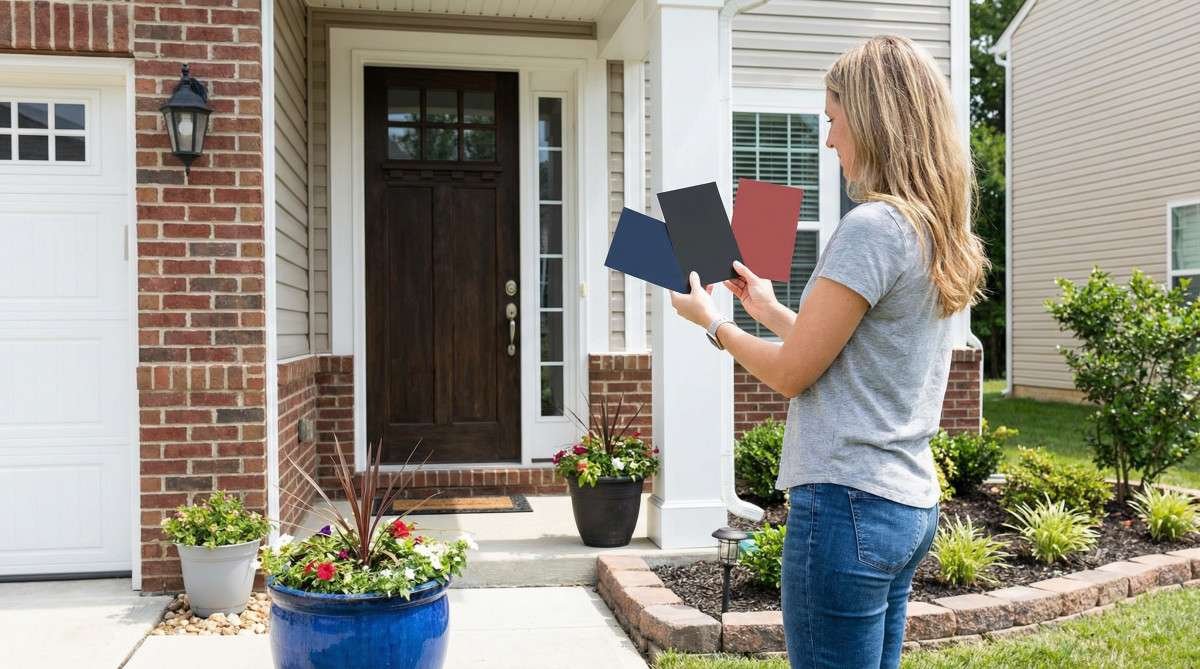
For example, in the Northeast and Midwest, traditional and classic colors like deep reds, forest greens, and rich blues often complement the prevalent colonial, Victorian, and craftsman-style homes. These colors tend to blend with the historical character of the neighborhoods and the often-changing seasons.
In the South and Southwest, where homes might feature Mediterranean, Spanish Colonial, or stucco exteriors, lighter and brighter colors can be more common. Teal, turquoise, or even vibrant yellow doors might be seen, though classic navy and black still maintain strong appeal for their sophistication. The warmer climate often encourages a more relaxed and colorful aesthetic.
On the West Coast, particularly in modern and contemporary homes, sleek and minimalist designs often favor charcoal grays, matte blacks, or even natural wood finishes. These choices align with a more modern and environmentally conscious design ethos. However, in historic districts, traditional colors remain popular.
Local real estate agents are invaluable resources for understanding these nuances. They can provide insights into what colors are currently trending in a specific neighborhood and what buyers in that area respond to most positively. Consulting with a local expert can help homeowners avoid color choices that might be considered out of place or detract from the home’s value in a particular market. Ultimately, aligning your front door color with local architectural styles and buyer expectations is crucial for maximizing its positive impact on resale value.
Beyond Color: Material, Condition, and Style
While color is a significant factor, the material, condition, and style of your front door are equally crucial in influencing its impact on home value. A beautifully painted door on a dilapidated frame will not achieve the desired effect. Buyers assess the entire entryway as a cohesive unit.
Material: The choice of material plays a substantial role in both aesthetics and durability. Steel doors are highly valued for their security, energy efficiency, and low maintenance, often yielding a high return on investment. Fiberglass doors offer a good balance of durability, energy efficiency, and design versatility, mimicking the look of wood without the associated upkeep. Wood doors provide a classic, luxurious feel but require more maintenance and can be more susceptible to weather damage. The material should complement the home’s architectural style and climate.
Condition: The door’s condition is paramount. A clean, well-maintained, and undamaged door signals to buyers that the home has been cared for. Peeling paint, dents, scratches, or worn hardware can detract significantly from curb appeal, regardless of the color. Investing in repairs, fresh paint, or even a full replacement if the door is beyond repair, is essential. A well-maintained door suggests attention to detail throughout the property.
Style: The style of the front door should harmonize with the home’s overall architecture. A modern, minimalist door on a Victorian home, or a rustic farmhouse door on a contemporary build, can create a jarring effect. Consider elements like panels, glass inserts, and hardware. For instance, a craftsman-style door with clear glass panels suits a bungalow, while a grand, solid wood door with ornate hardware might be perfect for a traditional estate. Consistency in style enhances the home’s aesthetic appeal and perceived value.
Ultimately, the most effective strategy involves a holistic approach: selecting a popular, value-adding color, ensuring the door is in excellent condition, choosing a durable material, and matching its style to the home’s architectural character. These elements combined create an inviting and valuable first impression.
Maximizing ROI: A Strategic Approach to Your Front Door
Maximizing the return on investment (ROI) from your front door involves a strategic combination of color selection, material choice, maintenance, and stylistic harmony. It’s not merely about picking a popular color, but rather integrating all these elements to create a compelling and valuable entryway.
1. Research Local Market Trends: Before making any decisions, consult with local real estate agents or review recent home sales in your area. Understand what colors and styles are currently fetching the best prices and resonating with buyers in your specific market. A color that performs well nationally might not be the best choice for your neighborhood.
2. Consider Your Home’s Architecture: The front door should complement, not clash with, your home’s architectural style. A modern door on a traditional home or vice versa can detract from curb appeal. Ensure the color, material, and design elements (e.g., panels, glass inserts) are consistent with the overall aesthetic of your property.
3. Prioritize Condition and Maintenance: A fresh coat of paint in a desirable color will only go so far if the door itself is in poor condition. Address any dents, scratches, or peeling paint. Ensure hardware is clean, functional, and aesthetically pleasing. Regular cleaning and maintenance will preserve the door’s appearance and longevity, signaling a well-cared-for home.
4. Invest in Quality Materials: If replacing the door, consider materials that offer both durability and energy efficiency. Steel and fiberglass doors often provide excellent ROI due to their longevity, low maintenance, and insulation properties. While wood doors offer classic beauty, be prepared for higher maintenance requirements.
5. Enhance with Landscaping and Lighting: The front door doesn’t exist in isolation. Surrounding landscaping, such as well-maintained shrubs, flowers, and a clear pathway, can significantly enhance its appeal. Thoughtful lighting, including sconces or recessed lights, can highlight the door and create a welcoming ambiance, especially during evening showings.
By adopting this comprehensive approach, homeowners can ensure their front door investment yields the highest possible return, making their property stand out in a competitive market and appealing to a broad range of prospective buyers.
Frequently Asked Questions
Does a black front door increase home value?
Yes, a black front door is often associated with sophistication, elegance, and a sense of security. It can create a strong, positive first impression, particularly on traditional or modern homes. Studies have shown that homes with black front doors can sell for a premium, making it a popular choice for homeowners looking to boost their property’s value.
What is the most popular front door color for selling a house?
While preferences can vary by region and architectural style, classic colors like black, charcoal gray, and deep navy blue consistently rank among the most popular and value-adding choices for selling a house. These colors offer versatility and broad appeal, suggesting a well-maintained and stylish home.
Are brightly colored front doors good for resale?
Brightly colored front doors, such as vibrant reds or sunny yellows, can be appealing in certain markets or for specific architectural styles. However, their impact on resale value can be more polarizing than neutral or classic dark colors. While they can add personality, it’s important to consider the local market and overall home aesthetic to ensure broad appeal.
How much value does a new front door add?
Replacing an old, worn front door with a new one, especially a steel entry door, can offer one of the highest returns on investment among home improvement projects. According to the 2023 Cost vs. Value Report, a steel entry door replacement can recoup approximately 100% of its cost at resale, significantly enhancing both curb appeal and perceived value.
Should the front door color match the shutters?
While not a strict rule, coordinating your front door color with your shutters or other exterior trim can create a cohesive and polished look. This often enhances curb appeal. However, contrasting colors can also be effective if done thoughtfully to create visual interest and highlight architectural features.
Conclusion
Choosing the ideal front door color is a strategic decision that extends beyond personal taste, directly influencing your home’s market appeal and potential resale value. By opting for classic, universally appealing colors such as black, charcoal gray, or deep navy, homeowners can significantly enhance curb appeal and signal a well-maintained property. These choices often translate into a higher return on investment, making the home more attractive to prospective buyers. While bold colors can add character, their impact on value can be more subjective, underscoring the importance of considering regional preferences and overall architectural harmony. Ultimately, a thoughtful approach to your front door’s aesthetic, combining color, material, and condition, is a powerful tool in maximizing your home’s financial potential in the competitive real estate market.

Most Viewed