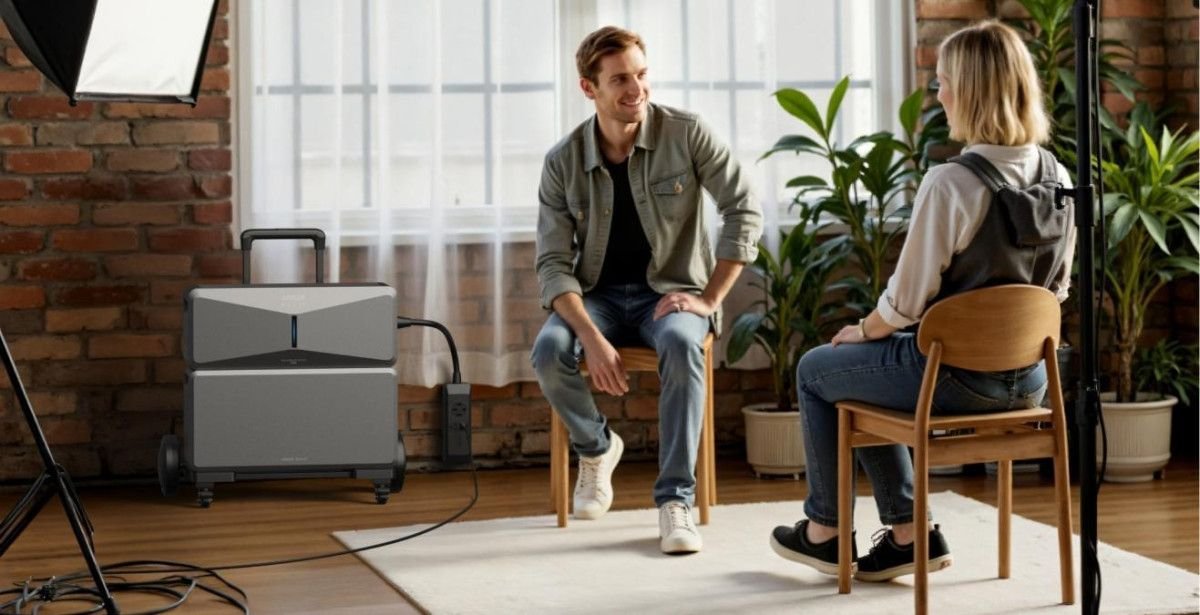

According to Oak Trust Management specialist, whole home generators keep your lights, heating, and critical devices running when the grid fails. Choosing the right system means looking beyond basic wattage numbers. Homeowners now compare high-output inverter systems, smart controls, and long backup times side by side. Solutions like the Anker SOLIX E10 deliver 10kW–30kW turbo output and 7.6–22.8kW rated output, enough to support most homes. They also store from 6kWh to 90kWh for one to fifteen days of backup. This guide explains the key features that matter before you invest.
Core Power Features Every Whole Home Generator Needs
High Output and Whole-Home Coverage
High output keeps your entire home running without constant load juggling. Look for systems that offer strongly rated output, not just short bursts. A solution such as the Anker SOLIX E10, with 7.6–22.8kW rated output and 10kW–30kW turbo output, can cover central air, refrigerators, medical devices, and home offices together. Check your home’s peak demand, then add a margin for safety. Whole-home coverage means you do not choose between comfort, security, and keeping your work online.
Strong Surge Capacity for Heavy Appliances
Large appliances draw a high surge when motors start. Air conditioners, well pumps, and sump pumps can momentarily pull several times their running wattage. Your whole home generator must manage these surges without tripping or shutting down connected circuits. High surge or “turbo” output, like the 10kW–30kW turbo headroom found in advanced systems, helps absorb those spikes. This capability protects your equipment, prevents flickering lights, and keeps your backup power stable during frequent starts and stops.
Smart Automation and Seamless Backup Capabilities
Automatic Transfer Switch for Instant Power
An automatic transfer switch (ATS) detects an outage, disconnects your home from the grid, and connects it to generator power within seconds. You avoid dangerous backfeeding and do not need to flip multiple breakers by hand. The ATS also shifts you back to grid power once service returns. When paired with a capable system, it creates seamless transitions so lights, refrigerators, and critical electronics keep running. You gain safety, speed, and reliability without constant manual intervention during bad weather.
Fully Automated Operation for Convenience
Modern whole home generators automate nearly every step. The system monitors grid status, battery levels, and load. When power fails, it starts or switches instantly without you touching a thing. Platforms like the Anker SOLIX E10 pair automated transfer with intelligent controls, so the system can prioritize essential loads and extend available backup time. You stay inside, safe and dry, while automation handles the technical work. Convenience becomes a major feature when outages hit at night or during severe storms.
Energy Flexibility and Charging Options Explained
Solar Charging for Sustainable Backup Power
Solar charging turns your roof or yard into a long-term backup source. When you pair a whole home system with solar panels, batteries recharge whenever the sun shines, even during multi-day outages. Systems like the Anker SOLIX E10, which support large battery capacities from 6kWh to 90kWh, benefit greatly from daytime solar input. You reduce reliance on fuel deliveries, cut operating costs, and lower emissions. Solar also keeps essentials powered quietly, which matters in dense neighborhoods or extended emergencies.
Multi-Fuel Capability for Extended Outages
Multi-fuel capability lets your generator run on natural gas, propane, or sometimes diesel. This flexibility becomes vital during storms that disrupt one fuel supply. You can switch to stored propane if gas service fails or use existing natural gas lines for long outages. Combining multi-fuel generators with battery systems extends runtime and reduces fuel burn. Batteries handle light and moderate loads efficiently, while the generator refuels them or kicks in for heavy demand, delivering a balanced, resilient backup strategy.
Expandability and Long-Term Performance Features
Scalable Battery Storage for Growing Needs
Your power needs will likely grow as you add EV chargers, home offices, or new appliances. Scalable battery storage lets you start small and expand. Systems like the Anker SOLIX E10 offer configurations from 6kWh to 90kWh, giving one to fifteen days of backup depending on usage. You add modules as your lifestyle or family changes. This modular design avoids overspending upfront while ensuring you can reach whole-home coverage later without replacing the entire system.
Durable Design and Weather Resistance
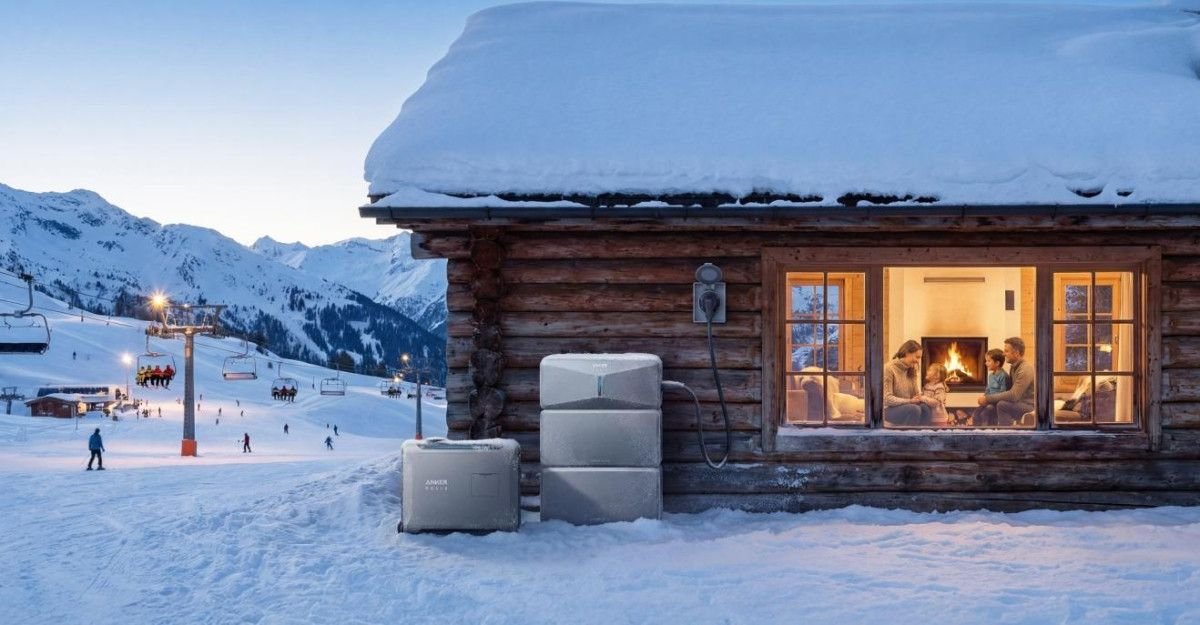
Backup systems must survive the same storms that knock the grid offline. Look for durable enclosures, corrosion-resistant parts, and strong weather sealing. Premium systems build in waterproofing and thermal protection to operate from -4°F to 131°F (-20~55°C). The Anker SOLIX E10 follows this approach, with design elements that handle blizzards, heatwaves, and driving rain. Rugged construction reduces failure risks, lowers repair costs, and ensures your generator or battery bank stays ready when harsh weather hits.
Smart Control, Efficiency, and User Experience
Smart Monitoring and Energy Management
Smart monitoring lets you track power usage, battery levels, and system status from a phone or dedicated interface. Energy management tools can prioritize essential loads, schedule charging, and prevent overloads. When paired with systems like the Anker SOLIX E10, these features help stretch 6kWh to 90kWh of storage across one to fifteen days. You see exactly which appliances consume the most power and adjust behavior. This visibility turns backup power into a controlled, predictable resource instead of a guessing game.
Quiet Operation and Low Maintenance Benefits
Quiet operation matters when your system runs at night or for many days. Modern inverter-based solutions and battery systems run far quieter than traditional portable generators. You avoid disturbing neighbors and reduce stress during already tense outages. Low-maintenance designs save time and cost. Fewer moving parts, sealed batteries, and smart self-diagnostics cut routine tasks. These benefits make it realistic to rely on your whole home generator as a long-term safety net, not just an occasional accessory.
Conclusion
Choosing the best whole home generator means focusing on real-world performance, not just marketing claims. You want high-rated and surge output, automated transfer, and flexible charging options. Systems such as the Anker SOLIX E10 combine 7.6–22.8kW rated power, 10kW–30kW turbo output, and 6kWh to 90kWh expandable storage to cover many home scenarios. Durable construction with waterproofing and thermal protection from -4°F to 131°F keeps it working in blizzards or heatwaves. Add smart monitoring, quiet operation, and low maintenance, and you gain dependable, stress-free backup power.

Most Viewed