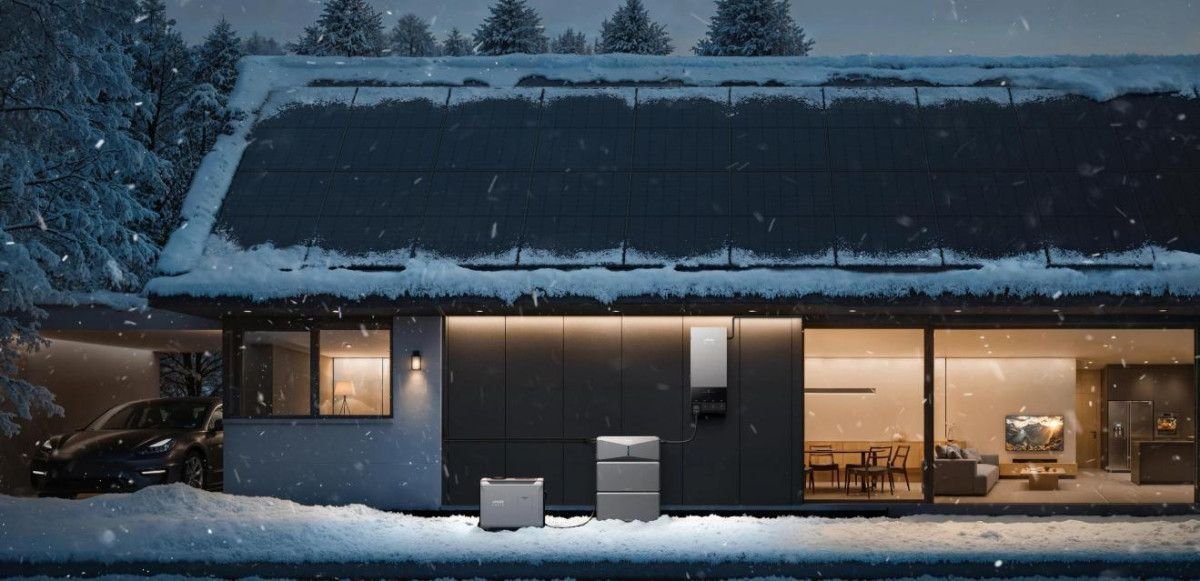

Choosing a home battery backup system now affects how safe, comfortable, and efficient your home feels during an outage. A good system keeps your lights on, protects appliances, and lets you control what stays powered. The challenge comes from comparing capacity, power output, and compatibility with your home’s electrical system and solar panels. Many homeowners also want a solution that can grow over time instead of a fixed, one‑size purchase. This guide explains the main features to look for and highlights modern whole‑home options like the Anker SOLIX E10, which supports 120/240V split‑phase power and solar integration. By the end, you’ll know how to match a backup system to your power needs, budget, and future plans.
Why You Need a Home Battery Backup
Power Outages and Energy Costs
Power outages have become more frequent as storms, heatwaves, and aging grids strain local utilities. Even a short blackout can spoil food, interrupt remote work, and damage sensitive electronics. Longer outages can shut down heating, cooling, and medical devices. At the same time, electricity prices keep rising, and time‑of‑use rates make power more expensive during peak hours. The best home battery backup system gives you control. You can store energy when rates are low or when your solar panels overproduce, then use that stored power when the grid fails or prices spike. This reduces both disruption and long‑term energy costs.
Benefits of Whole-Home Backup
Many backup options only cover a few outlets or a handful of “critical loads.” Whole‑home backup goes further by supporting major appliances, HVAC systems, and essential circuits at once. With a robust system, you can keep your fridge, lights, internet, and even central air or heat running through extended outages. Solutions that offer 120/240V split‑phase output, like Anker SOLIX E10, can drive both standard outlets and larger 240V loads. This means fewer compromises when the grid goes down. Whole‑home backup also adds value to your property and can pair with solar to create a more self‑reliant energy system.
Key Factors to Consider
Battery Capacity and Output
Battery capacity tells you how long your system can power your home, while power output tells you how much it can run at once. Start by listing must‑have loads: fridge, lights, Wi‑Fi, sump pump, medical devices, or HVAC. Check their wattage and add them up. For example, a system like Anker SOLIX E10 offers up to 7,680W continuous output at 240V / 32A and can reach 10,000W for up to 90 minutes with batteries, which suits many whole‑home setups. It also supports 120/240VAC split phase, so it can handle both standard 120V circuits and heavy 240V appliances without extra hardware.
Scalability and Flexibility
Your energy use can change over time as you add EVs, heat pumps, or more appliances. A scalable system lets you expand capacity without replacing everything. Look for modular designs with separate power and battery modules. The Anker SOLIX E10, for example, uses an E10 Power Module with B6000 Battery Modules and a Power Dock, allowing you to add batteries as your needs grow. Strong surge and “turbo backup” capabilities, like up to 275A with multiple inverters and batteries, give flexibility for starting large motors or running multiple heavy loads. Flexible input options, including PV solar input and DC generator input, add even more resilience.
Types of Backup Systems
Portable vs. Fixed Systems
Portable power stations work well for renters, small apartments, or light backup needs. They typically sit on a counter or shelf, plug into standard outlets, and can move between rooms or trips. However, they usually power only a few devices and don’t handle 240V loads or whole‑home wiring. Fixed systems mount near your main electrical panel and connect through a transfer switch or smart inlet box. They deliver higher continuous output, can tie into multiple circuits, and support split‑phase power. This makes fixed systems better for homeowners who want seamless, automatic backup and coverage for major home appliances.
Solar-Integrated Solutions
Solar‑integrated backup systems combine solar panels with batteries so you can generate and store your own energy. During the day, solar charges the batteries and powers your home; at night or during an outage, the battery takes over. Look for systems with dedicated PV input, like up to 4,500W solar input and a wide voltage range, so you can connect strings of panels efficiently. Integration with an AC input port for recharging from the grid adds flexibility. Solar plus storage reduces your reliance on the grid, cuts bills, and keeps essential loads powered even when the neighborhood goes dark.
Best Solutions for Modern Homes
Modular Battery Systems
Modern homes benefit most from modular systems that grow with changing needs. Modular designs separate the inverter, batteries, and accessories into stackable or connectable pieces. You can start with a modest setup and expand capacity or output later. This lowers upfront cost and prevents overbuying. Features to look for include weather‑resistant enclosures (such as NEMA Type 4 / IP66), wide operating temperatures from about ‑4°F to 131°F, and app‑based monitoring via Wi‑Fi or Bluetooth. These features ensure the system runs reliably in garages, basements, or outdoors while giving you real‑time insights into battery status, power usage, and solar production.
Anker SOLIX Whole-Home Backup
Anker SOLIX E10 offers a strong example of a whole‑home, modular backup solution. The system combines the E10 Power Module, B6000 Battery Modules, Power Dock, Smart Inlet Box, and optional 5500 Smart Generator. It delivers 120/240VAC split‑phase output at 60Hz, with 7,680W continuous power and up to 10,000W output for 90 minutes. Turbo backup can reach up to 275A with multiple inverters and batteries, supporting heavy loads and high LRA start‑ups. It accepts up to 9,600W AC input for fast recharging, 4,500W PV solar input, and 4,500W DC generator input. With a 5‑year warranty and IP66 enclosure, it suits demanding, whole‑home backup applications.

Conclusion
Choosing the best home battery backup system starts with a clear view of your essential loads, local outage patterns, and future plans. Focus on battery capacity, continuous and surge output, 120/240V compatibility, and the ability to expand as your home’s energy demands grow. Decide whether you need simple, portable backup for a few devices or a fixed, whole‑home system that covers major appliances and HVAC. Solar‑ready designs with strong weather protection and smart connectivity add long‑term value. Solutions like Anker SOLIX E10, with modular components, high output, and robust solar and generator inputs, show how a modern system can keep your home safe, comfortable, and efficient through every outage.

Most Viewed