

Buying or selling a home is often the largest financial transaction most people undertake, filled with excitement, anticipation, and a fair share of legal complexities. At the heart of nearly every real estate deal lies the purchase agreement, a legally binding document that outlines the terms and conditions of the sale. Within this agreement, contingencies play a pivotal role, acting as protective clauses that allow either the buyer or seller to back out of the deal without penalty if certain conditions aren’t met. Understanding these common contingencies isn’t just about legal jargon; it’s about safeguarding your investment and ensuring a smoother path to closing, even when unexpected hurdles arise. Navigating these clauses can feel like walking a tightrope, balancing eagerness to close with the need for due diligence.
Financing Contingency: Securing Your Loan Approval
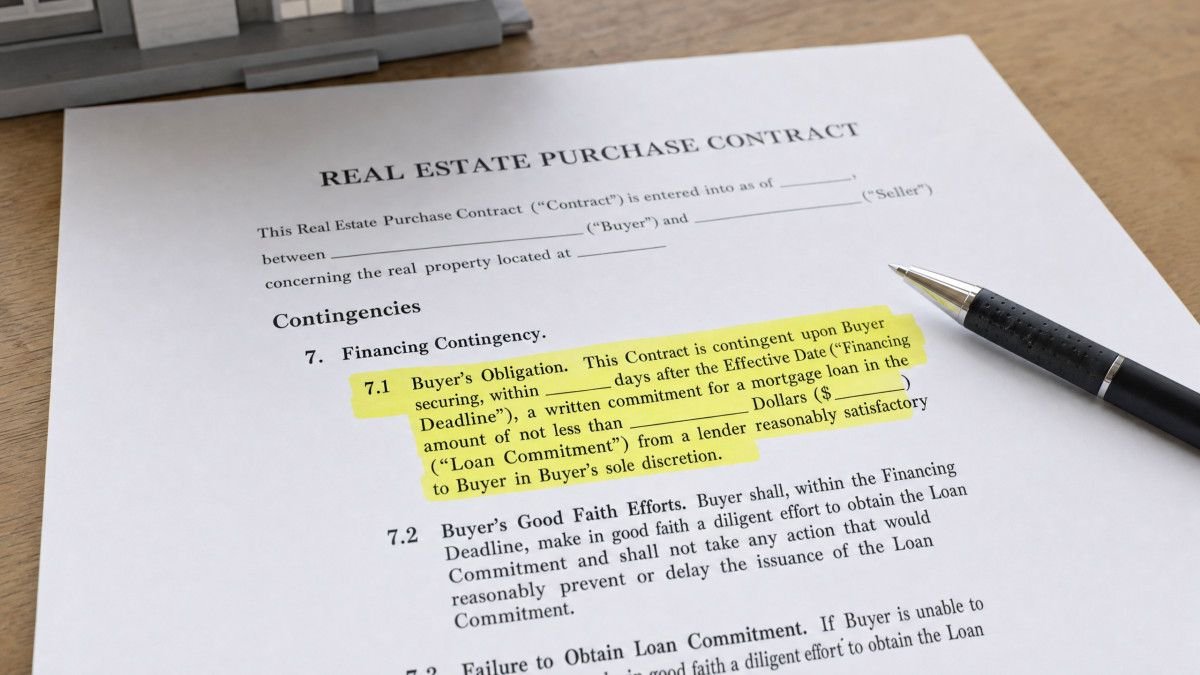
A financing contingency is a critical clause that protects buyers by making the purchase agreement dependent on their ability to secure a mortgage loan. This means if a buyer is unable to obtain the necessary financing within a specified timeframe, they can typically withdraw from the contract and recover their earnest money deposit. This contingency is paramount because, despite pre-approvals, final loan approval isn’t guaranteed until the lender has completed their underwriting process, which includes verifying income, assets, and creditworthiness. It’s a common source of anxiety for buyers, as the dream home can slip away if the financing doesn’t materialize as expected. According to the National Association of Realtors (NAR), financing issues were a significant reason for contract delays or terminations in recent years, underscoring its importance.
This clause usually specifies the type of loan (e.g., conventional, FHA, VA), the interest rate, and the loan term the buyer is seeking. For instance, a contract might state the buyer must secure a 30-year fixed-rate conventional loan at or below 7% interest. If market rates suddenly jump to 8% and the buyer can no longer qualify or afford the payments, the financing contingency allows them to exit the agreement. The timeframe for this contingency is also crucial, often ranging from 14 to 30 days, giving the lender sufficient time to process the application. Missing this deadline without an extension can put the buyer’s earnest money at risk, a detail that can cause considerable frustration if not managed carefully. Imagine finding your perfect home, only to have the bank deny your loan at the last minute; without this contingency, your deposit could be gone.
Inspection Contingency: Uncovering Hidden Issues
An inspection contingency grants the buyer the right to have the home professionally inspected for defects and, based on the findings, either negotiate repairs, request a credit, or terminate the contract. This clause is designed to protect buyers from purchasing a property with significant, undisclosed issues that could lead to costly repairs down the line. It’s a fundamental safeguard, as even a seemingly perfect home can harbor hidden problems like a failing HVAC system, a leaky roof, or structural concerns that aren’t apparent during a casual walkthrough. The inspection period, typically 7 to 10 days, is a whirlwind of activity, often leading to a moment of dread as the inspector’s report lands in your inbox.
During this period, a qualified home inspector will examine the property’s major systems and components, including the foundation, roof, plumbing, electrical, and HVAC. The inspector’s report will detail any deficiencies, from minor cosmetic flaws to major structural concerns. For example, an inspector might find evidence of past water damage in the basement or an aging electrical panel that isn’t up to current code. Buyers then have several options: they can accept the property as-is, ask the seller to make repairs, request a price reduction, or, if the issues are substantial, walk away from the deal. Negotiating repairs can be a delicate dance, as sellers are often reluctant to spend more money, and buyers want to ensure their investment is sound. It’s not uncommon for negotiations to become a point of contention, sometimes even threatening to derail the entire transaction over a few thousand dollars in repairs.
Appraisal Contingency: Ensuring Fair Market Value
An appraisal contingency protects the buyer by making the sale conditional on the property appraising for at least the purchase price. Lenders require an appraisal to ensure the home’s value supports the loan amount, preventing them from lending more money than the property is worth. If the appraisal comes in lower than the agreed-upon sale price, the buyer typically has the option to renegotiate the price, pay the difference in cash, or cancel the contract and receive their earnest money back. This contingency is particularly vital in competitive markets where bidding wars can drive prices above true market value, leaving buyers vulnerable to a shortfall. It’s a moment of truth for many buyers, as a low appraisal can feel like a personal affront to their offer.
When an appraisal comes in low, several scenarios can unfold. The buyer and seller can agree to lower the purchase price to the appraised value. Alternatively, the buyer can choose to pay the difference between the appraised value and the purchase price out of pocket, effectively increasing their down payment. If neither of these options is agreeable, the appraisal contingency allows the buyer to terminate the contract without losing their earnest money. This can be a frustrating situation for both parties, especially for sellers who might feel their home is worth every penny of the agreed price, and for buyers who have already invested time and emotional energy into the purchase. The appraisal process itself can be opaque, relying on a third-party expert whose valuation might not align with market sentiment or the buyer’s perceived value.
Home Sale Contingency: Selling Before Buying
A home sale contingency allows a buyer to make an offer on a new property conditional on the successful sale of their current home. This contingency is particularly useful for buyers who need the proceeds from their existing home sale to finance their new purchase, or who simply don’t want to carry two mortgages simultaneously. It provides a crucial safety net, preventing buyers from being financially overextended if their current property doesn’t sell as anticipated. While offering peace of mind to the buyer, this contingency can make an offer less attractive to sellers, especially in a seller’s market, as it introduces an additional layer of uncertainty and a potentially longer closing timeline.
Typically, a home sale contingency will include a timeframe within which the buyer’s existing home must be sold and closed. It often comes with a kick-out clause, which allows the seller to continue marketing their home and accept another offer if one comes along. If a new offer is accepted, the original buyer is given a short window (e.g., 24 or 48 hours) to either remove their home sale contingency and proceed with the purchase, or walk away from the deal. This can be a stressful situation for the buyer, forcing a quick decision under pressure. Imagine having your dream home on the line, only to be told you have two days to sell your current house or lose it – a truly frustrating scenario.
Title Contingency: Ensuring Clear Ownership
A title contingency ensures that the buyer receives a clear and marketable title to the property, free from any undisclosed liens, encumbrances, or legal disputes. Before a property can change hands, a title search is conducted to examine public records and verify the seller’s legal ownership and identify any potential claims against the property. This contingency protects the buyer from inheriting legal problems that could affect their ownership rights or future ability to sell the property. Discovering an unexpected lien or easement late in the process can be a significant setback, causing delays and potential legal headaches.
The title search typically uncovers issues such as unpaid property taxes, outstanding mortgages, easements, or judgments against the seller. For example, if a previous owner failed to pay a contractor, a mechanic’s lien might be placed on the property. The title contingency allows the buyer to object to these issues and require the seller to resolve them before closing. If the seller is unable or unwilling to clear the title, the buyer can terminate the contract without penalty. This contingency is often overlooked by first-time homebuyers, who might assume a clear title is a given, only to find themselves in a complex legal tangle if not properly protected. It’s a quiet but powerful safeguard against unforeseen legal complications.
Frequently Asked Questions About Real Estate Contingencies
Real estate contingencies are clauses in a purchase agreement that allow a buyer or seller to back out of a deal if certain conditions are not met.
What is an Earnest Money Deposit?
An earnest money deposit is a sum of money a buyer puts down to show serious intent to purchase a home, held in escrow until closing.
How long do contingencies typically last?
Contingency periods vary but commonly range from 7 to 30 days, depending on the type of contingency and local market practices.
Can a seller refuse an offer with contingencies?
Yes, a seller can refuse an offer with contingencies, especially in a strong seller’s market where cleaner offers are more attractive.
What happens if a contingency isn’t met?
If a contingency isn’t met, the buyer can typically terminate the contract and get their earnest money back, or negotiate new terms.
Are contingencies always negotiable?
Yes, contingencies are almost always negotiable between the buyer and seller, influencing the attractiveness and risk of an offer.
Conclusion: Navigating the Path to a Successful Real Estate Transaction
Real estate contingencies are far more than mere legal formalities; they are the essential safety nets that protect both buyers and sellers from unforeseen complications in what is often the most significant financial decision of their lives. From ensuring you can secure the necessary financing to verifying the structural integrity of your future home, and from confirming a clear title to managing the sale of your current residence, each contingency serves a vital purpose. Understanding these clauses, their implications, and the typical timeframes involved empowers you to navigate the complexities of a real estate transaction with greater confidence. While the process can sometimes feel overwhelming, with moments of genuine uncertainty or even mild frustration when a low appraisal or an unexpected repair request arises, these protective measures ultimately contribute to a more secure and equitable outcome for all parties involved. A well-understood and carefully managed set of contingencies transforms a potentially risky venture into a well-protected journey toward homeownership or a successful sale.

Most Viewed