

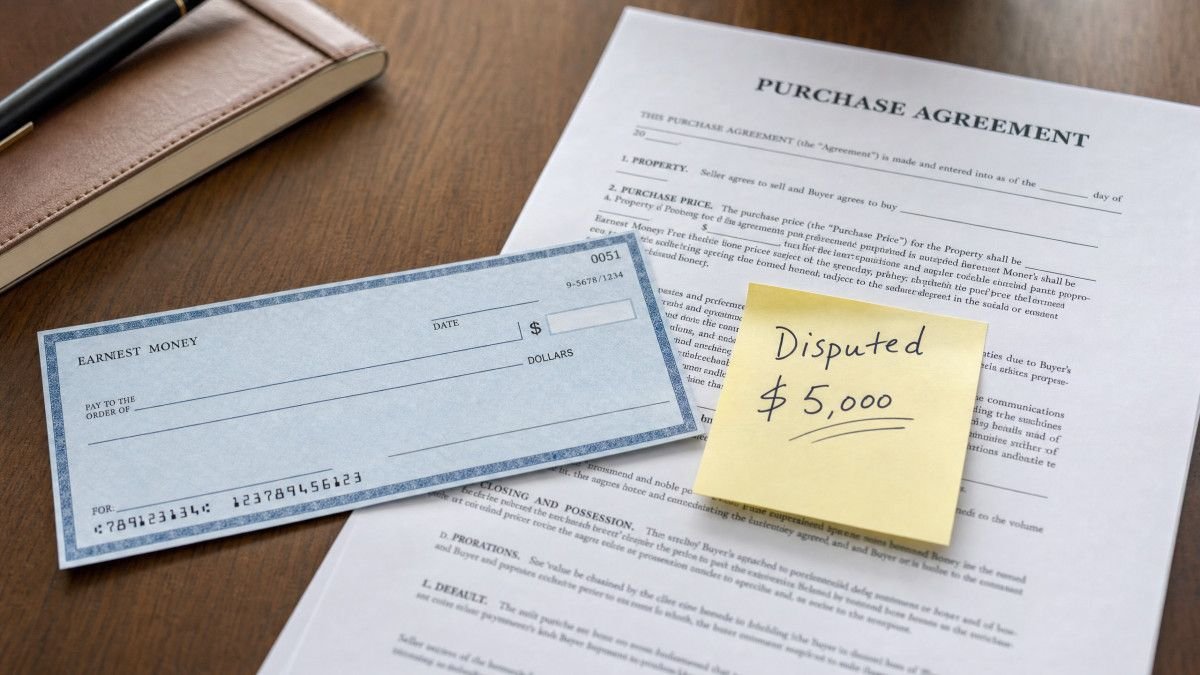
When you finally find the perfect home and your offer is accepted, the excitement is palpable. To show the seller you are serious, you hand over an earnest money deposit—often 1% to 3% of the purchase price, which can easily amount to $5,000 or $10,000 depending on the market. According to the National Association of REALTORS®, earnest money deposits typically range from 1% to 10% of the home’s purchase price, serving as a critical indicator of buyer commitment. But what happens when the deal falls apart? Suddenly, that good faith deposit becomes a battleground. Understanding earnest money disputes is essential for both buyers and sellers to protect their financial interests and navigate the complex legal landscape of real estate transactions.
Common Causes of Earnest Money Disputes
Disputes over earnest money usually arise when either the buyer or seller perceives the other to be at fault for failing to close the transaction in a timely manner. The most frequent triggers include financing failures, inspection disagreements, and missed contractual deadlines.
The financing contingency is a frequent source of friction. If a buyer applies for a mortgage in good faith but the lender denies the loan, the buyer generally has the right to cancel the contract and recover their deposit. However, if the buyer fails to notify the seller within the specified timeframe—often 21 to 30 days—the seller might claim the buyer breached the contract. I remember a scenario where a buyer’s loan was denied on day 22 of a 21-day contingency period. The sheer panic of realizing a $7,500 deposit was suddenly at risk is a feeling no homebuyer wants to experience.
Inspection contingencies also lead to significant conflicts. Buyers typically have a 10 to 15-day window to conduct inspections. If a material defect is found, such as a cracked foundation or severe termite damage, the buyer can usually walk away with their earnest money intact. The dispute arises when the seller argues the defect is minor or pre-existing, or when the buyer misses the strict deadline to submit the cancellation notice.
The Role of the Escrow Agent
When a real estate deal collapses and both parties demand the earnest money, the escrow agent holding the funds finds themselves in a precarious position. By law, they must remain neutral and cannot simply release the money to one party without the other’s consent.
Escrow agents, usually title companies or real estate brokerages, do not have the authority to decide who is right or wrong in a contract dispute. If the buyer and seller cannot agree on who gets the deposit, the escrow agent will freeze the funds. They will require written instructions signed by both parties before releasing a single dollar. This stalemate can be incredibly frustrating. You might be absolutely certain you followed the contract to the letter, yet your money remains locked away because the other party refuses to sign the release form.
If the standoff continues, the escrow agent may file an interpleader action. This is a legal maneuver where the agent deposits the disputed funds with the court registry and steps away from the conflict. The buyer and seller are then left to litigate the matter before a judge. It is crucial to understand that the escrow agent’s legal fees for filing the interpleader are often deducted directly from the earnest money deposit, shrinking the total amount available to be recovered.
Mediation as a First Step
Before rushing to the courthouse, most standard real estate contracts require the parties to attempt mediation. Mediation is a structured negotiation process facilitated by a neutral third party, and it is often the most efficient way to resolve an earnest money dispute.
During mediation, the mediator does not make a binding decision. Instead, they help the buyer and seller communicate, clarify their positions, and explore potential compromises. For example, if a $10,000 deposit is in dispute over a missed deadline, the parties might agree to split the funds $5,000 each to avoid the cost and uncertainty of litigation.
Mediation is generally faster and significantly less expensive than a full-blown lawsuit. It allows both parties to maintain some control over the outcome rather than leaving it in the hands of a judge. While it requires a willingness to compromise, the alternative—spending months in court and paying thousands in attorney fees—often makes mediation the most logical first step.
When Litigation Becomes Necessary
If mediation fails and the parties remain deadlocked, litigation may be the only remaining option to resolve the earnest money dispute. Going to court is a serious escalation that involves significant time, expense, and legal maneuvering.
In a lawsuit, the judge will closely examine the specific language of the purchase agreement, the timeline of events, and the actions of both the buyer and seller. They will look for clear evidence of a breach of contract. Did the buyer fail to secure financing within the contingency period? Did the seller refuse to complete agreed-upon repairs? The burden of proof lies with the party claiming the funds.
Litigation is unpredictable. Even if you believe your case is airtight, a judge might interpret a vague contract clause differently. Furthermore, the legal fees can quickly eclipse the value of the earnest money itself. Fighting over a $3,000 deposit in court rarely makes financial sense when attorney fees can easily exceed $5,000. Therefore, litigation should generally be viewed as a last resort, reserved for substantial deposits or cases involving clear, egregious breaches of contract.
Frequently Asked Questions
What is an earnest money deposit?
An earnest money deposit is a sum of money provided by a buyer to a seller to demonstrate serious intent to purchase a property, typically held in escrow until closing.
How much is a typical earnest money deposit?
Earnest money deposits generally range from 1% to 3% of the home’s purchase price, though they can be higher in highly competitive real estate markets.
Can a buyer get their earnest money back if financing falls through?
Yes, if the purchase agreement includes a financing contingency and the buyer is denied a loan within the specified timeframe, they can usually recover their deposit.
What happens if the seller refuses to release the earnest money?
If the seller refuses to sign a release, the escrow agent will freeze the funds, and the parties must typically proceed to mediation or litigation to resolve the dispute.
Does the escrow agent decide who gets the earnest money?
No, the escrow agent must remain neutral and cannot decide who is entitled to the funds; they require mutual agreement or a court order to release the money.
Protecting Your Investment
Navigating the complexities of real estate transactions requires vigilance, especially when substantial sums of money are on the line. Earnest money disputes are an unfortunate reality, but they are often preventable with clear communication and a thorough understanding of the contract.
The key to protecting your deposit lies in the contingencies. Whether you are relying on a financing, inspection, or appraisal contingency, you must adhere strictly to the deadlines outlined in the agreement. Missing a deadline by even one day can transform a protected deposit into liquidated damages for the seller. Always ensure that any cancellation notices are submitted in writing and well before the contingency period expires. While the process can be stressful, staying informed and proactive is your best defense against losing your hard-earned money.

Most Viewed