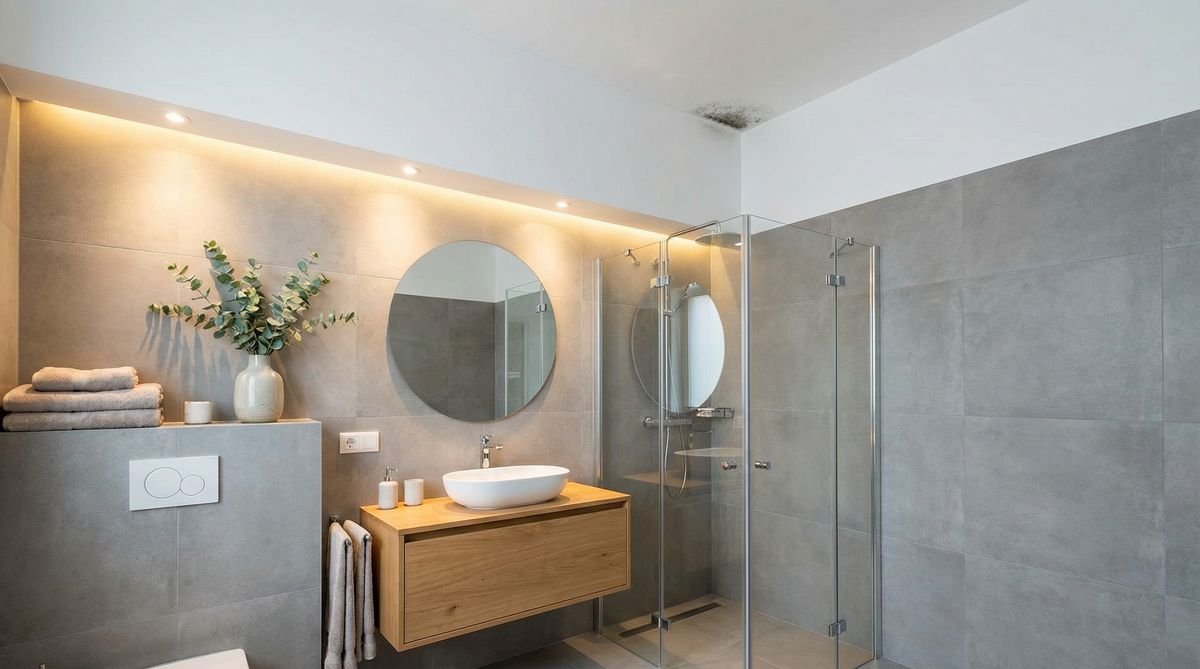

Mold on a bathroom ceiling is more than just an unsightly stain; it’s a persistent problem that can compromise both the aesthetics of your home and the health of its occupants. This guide delves into effective strategies for not only eradicating existing mold but also implementing preventative measures to ensure your bathroom remains a clean, healthy, and mold-free sanctuary.
Understanding Bathroom Mold: Causes and Types
Answer Capsule: Bathroom mold primarily thrives in environments rich in moisture and warmth, often stemming from inadequate ventilation and persistent humidity, notes the Central Florida Management team. While various types exist, common culprits include Cladosporium, Penicillium, and Aspergillus, each presenting distinct appearances and potential health implications, necessitating proper identification and removal techniques.
Bathroom environments, characterized by high humidity and fluctuating temperatures, create an ideal breeding ground for various types of mold. Understanding the specific conditions that foster mold growth is crucial for effective removal and prevention. The primary cause is almost always excess moisture, often from steamy showers and baths, which condenses on cooler surfaces like ceilings. Poor ventilation exacerbates this issue, trapping moisture and allowing mold spores to settle and proliferate. Leaks from pipes or the roof can also introduce the necessary moisture for mold to flourish.
While many people refer to all bathroom mold as “black mold,” several types commonly appear in bathrooms. Cladosporium often appears as black or dark green spots and is frequently found on painted surfaces. Penicillium can be blue-green and fuzzy, often growing on materials with water damage. Aspergillus is another common indoor mold, appearing in various colors and textures. While most bathroom molds are not inherently toxic, prolonged exposure can trigger allergic reactions, respiratory issues, and other health problems, especially in sensitive individuals. Identifying the specific type of mold is less critical than understanding its underlying cause and addressing it promptly.
Safety First: Essential Precautions for Mold Removal
Answer Capsule: Prioritizing safety during mold removal is paramount to prevent health risks from spore inhalation and chemical exposure. This involves wearing appropriate personal protective equipment, ensuring adequate ventilation in the workspace, and carefully following product instructions to minimize hazards and ensure a safe and effective cleaning process.
Before embarking on any mold removal project, it is imperative to prioritize safety. Mold spores can become airborne during cleaning, leading to respiratory irritation or allergic reactions. Furthermore, many cleaning agents contain harsh chemicals that require careful handling. Always wear personal protective equipment (PPE), including a N95 respirator mask to prevent inhaling spores, rubber gloves to protect your skin from mold and cleaning solutions, and eye protection to shield your eyes from splashes and airborne particles. Ensure the bathroom is well-ventilated by opening windows and using an exhaust fan. If possible, seal off the bathroom from other areas of the house to prevent spores from spreading. Lay down old towels or plastic sheeting to protect floors and fixtures from drips and spills.
Effective Methods for Removing Bathroom Ceiling Mold
Answer Capsule: Effective mold removal from bathroom ceilings typically involves a multi-step approach utilizing common household solutions like diluted bleach, white vinegar, or baking soda. The process includes preparing the area, applying the chosen cleaning agent, allowing sufficient dwell time, gentle scrubbing, and thorough rinsing, followed by complete drying to prevent immediate recurrence.
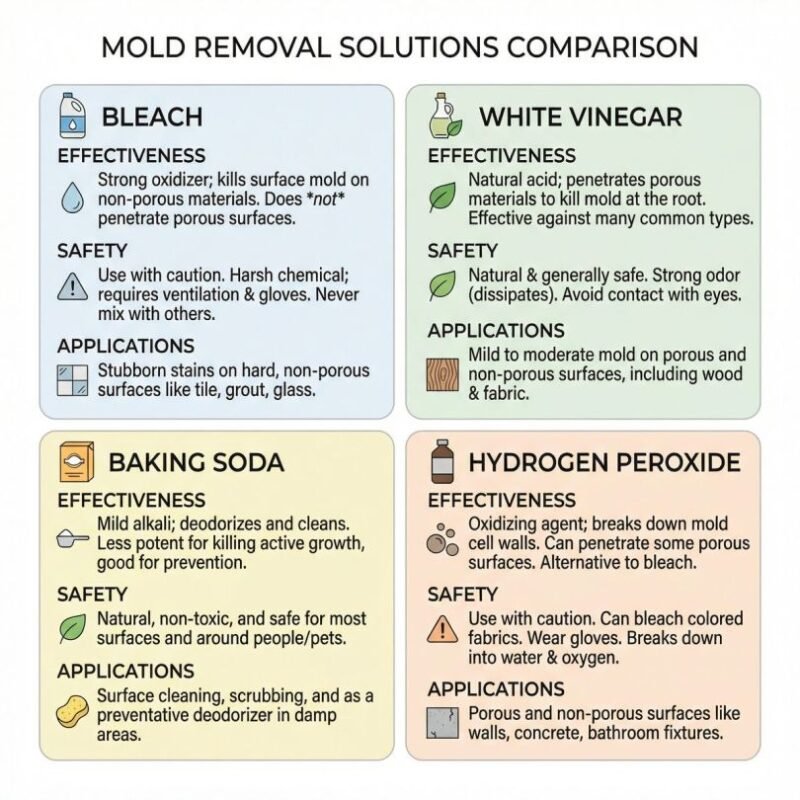
Once safety precautions are in place, you can proceed with mold removal. The choice of cleaning solution often depends on the severity of the mold and personal preference for chemical versus natural options.
Bleach Solution
For stubborn mold stains, a diluted bleach solution is highly effective. Mix one part household bleach with three parts water in a spray bottle. Lightly spray the affected area, ensuring not to oversaturate the ceiling, which could lead to drips and damage. Allow the solution to sit for 10-15 minutes to kill the mold. Gently scrub with a soft brush or sponge, then rinse the area with clean water and dry thoroughly. Bleach is a powerful disinfectant but should be used with caution due to its corrosive nature and potential to discolor surfaces. Never mix bleach with ammonia or other cleaners, as this can create toxic fumes.
White Vinegar
White distilled vinegar is a natural and effective alternative for mold removal, particularly for less severe cases. Pour undiluted white vinegar into a spray bottle and spray directly onto the moldy areas. Let it sit for at least an hour to penetrate and kill the mold. After the dwell time, scrub the area with a brush and wipe clean with a damp cloth. Vinegar is non-toxic and generally safe for most surfaces, though a patch test in an inconspicuous area is always recommended.
Baking Soda Paste
For a gentler abrasive approach, a paste made from baking soda and water can be used. Mix baking soda with a small amount of water to form a thick paste. Apply the paste to the moldy areas and let it sit for 10-15 minutes. Scrub with a brush, then rinse and dry. Baking soda is effective at absorbing odors and can help lift mold stains without harsh chemicals.
Hydrogen Peroxide
Hydrogen peroxide (3% solution) can also be used as a mold killer. Spray it directly onto the moldy surface and let it sit for 110 minutes before scrubbing and rinsing. It’s a good alternative for those sensitive to bleach fumes.
Beyond Cleaning: Advanced Strategies for Mold Prevention
Answer Capsule: Preventing mold recurrence requires proactive measures beyond mere cleaning, focusing on controlling moisture and improving air circulation. Key strategies include upgrading ventilation systems, utilizing humidity-controlling devices, applying mold-resistant paints, and ensuring proper insulation, all contributing to a hostile environment for mold growth.
Removing existing mold is only half the battle; preventing its return is crucial for long-term success. This involves addressing the underlying conditions that allow mold to thrive.
Improve Ventilation
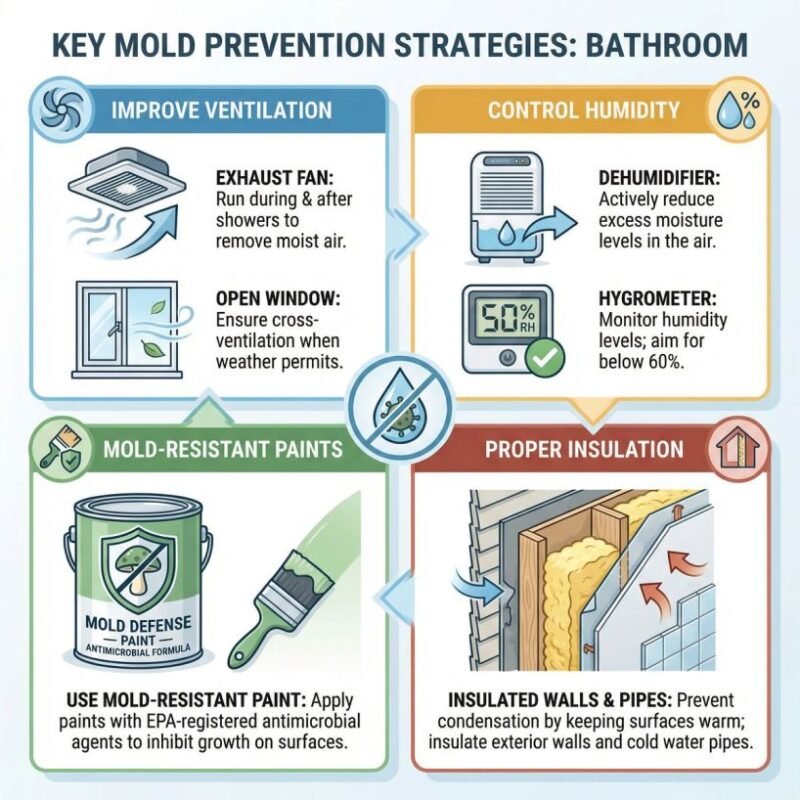
Inadequate ventilation is a primary driver of bathroom mold. Install or upgrade your bathroom exhaust fan to ensure it effectively removes moist air during and after showers. Run the fan for at least 20-30 minutes after each use. If a fan isn’t feasible, open windows during and after showering to allow for natural airflow. Consider a humidity sensor fan that automatically turns on when humidity levels rise.
Control Humidity
Maintain indoor humidity levels below 60%, ideally between 30-50%. A hygrometer can help monitor humidity. In consistently humid environments, a dehumidifier can significantly reduce moisture in the air, making it less hospitable for mold. Ensure any leaks in plumbing or the roof are promptly repaired, as these can be hidden sources of moisture.
Mold-Resistant Paints
After cleaning and drying the ceiling, consider applying mold-resistant paint. These paints contain antimicrobial additives that inhibit mold growth. While not a standalone solution, they provide an extra layer of protection, especially in high-moisture areas.
Proper Insulation
Cold surfaces are prone to condensation. Ensuring your bathroom ceiling is adequately insulated can help keep its surface temperature closer to the room’s ambient temperature, reducing condensation and thus mold growth. This is a more involved solution but can be highly effective in preventing future issues.
When to Call the Experts: Professional Mold Remediation
Answer Capsule: While many mold issues can be addressed with DIY methods, professional mold remediation becomes necessary for extensive infestations, particularly those covering large areas or penetrating porous materials. Experts offer specialized equipment, containment strategies, and thorough removal techniques to safely and effectively eliminate mold and prevent its spread, safeguarding health and property.
While many minor mold problems can be handled by homeowners, there are situations where professional intervention is essential. Knowing when to call in the experts can save you time, money, and potential health risks.
- Large Infestations: If the mold covers an area larger than 10 square feet, it’s generally recommended to consult a professional. Large infestations indicate a more significant underlying moisture problem that requires specialized assessment and remediation.
- Recurrent Mold: If mold repeatedly returns despite your best efforts, it suggests a persistent moisture issue that you may not be able to identify or fix on your own. Professionals can conduct thorough inspections to pinpoint hidden moisture sources.
- Health Concerns: If anyone in your household experiences persistent health issues that you suspect are related to mold exposure, such as respiratory problems, allergic reactions, or unexplained fatigue, professional testing and remediation are advisable.
- Mold in HVAC Systems: Mold in heating, ventilation, and air conditioning (HVAC) systems can spread spores throughout your entire home. This requires specialized cleaning and repair by HVAC professionals.
- Porous Materials: If mold has deeply penetrated porous materials like drywall, insulation, or carpeting, simple surface cleaning may not be sufficient. These materials often need to be removed and replaced by professionals to ensure complete eradication.
Professional mold remediators have the expertise, equipment, and containment strategies to safely and effectively remove mold, preventing its spread and addressing the root cause of the problem.
Frequently Asked Questions
What is the best homemade mold remover for bathroom ceiling?
Answer Capsule: The best homemade mold removers for bathroom ceilings are typically diluted white vinegar or a baking soda paste. White vinegar, used undiluted in a spray bottle, effectively kills mold, while a baking soda paste offers a gentle abrasive action for lifting stains, both being safer alternatives to harsh chemicals for minor infestations.
How to remove black mold from bathroom ceiling permanently?
Answer Capsule: Permanently removing black mold from a bathroom ceiling involves a two-pronged approach: thorough cleaning and effective prevention. After safely removing visible mold with appropriate solutions, addressing the root cause of moisture, such as improving ventilation, controlling humidity, and repairing leaks, is crucial to prevent its recurrence.
How to clean mold from textured bathroom ceiling?
Answer Capsule: Cleaning mold from a textured bathroom ceiling requires a gentle approach to avoid damaging the surface. Use a soft-bristled brush or a microfiber cloth with a diluted cleaning solution like white vinegar or a mild detergent. Avoid aggressive scrubbing, and ensure the area is thoroughly dried afterward to prevent moisture retention in the texture.
What kills mold on bathroom ceiling naturally?
Answer Capsule: Natural solutions that effectively kill mold on bathroom ceilings include white distilled vinegar, hydrogen peroxide (3%), and tea tree oil. These options offer antimicrobial properties without the harsh chemicals of bleach, making them suitable for those seeking eco-friendly and less irritating alternatives for mold eradication.
Conclusion: Maintaining a Mold-Free Sanctuary
Answer Capsule: Successfully maintaining a mold-free bathroom ceiling hinges on a dual strategy of diligent cleaning and proactive prevention. By promptly addressing mold with appropriate methods and controlling moisture through ventilation and other long-term measures, you can ensure a healthy, clean, and aesthetically pleasing bathroom environment for the long haul.
Addressing mold on your bathroom ceiling is a critical step towards maintaining a healthy and aesthetically pleasing home. By understanding the causes, implementing safe and effective removal techniques, and adopting proactive prevention strategies, you can transform your bathroom into a mold-free sanctuary. Remember, persistent mold issues or large infestations warrant professional attention to ensure complete and safe remediation. Regular vigilance and prompt action are your best defenses against the return of this unwelcome guest.
References
- DBS Bathrooms. (2025, January 27). How To Remove And Prevent Bathroom Ceiling Mould.
- Clorox. (n.d.). How to Remove Mold Stains in the Shower & Bathroom Walls.
- Reddit. (2024, March 27). Best method to clean mold off bathroom ceiling.
- TaskRabbit. (2024, May 24). How to Remove Mold From Bathroom Ceiling Like A Pro.
- Mod-Land. (2025, June 11). How to Remove Mold from Bathroom Ceiling.
- DoItYourself.com. (2019, December 18). Using vinegar on bathroom ceiling mold.
- Stack Exchange. (2019, October 11). How do I clean mold off my bathroom ceiling?.
- Branche Environmental. (2019, November 23). MOLD ON BATHROOM CEILING – WHAT TO DO AND PREVENT.

Most Viewed