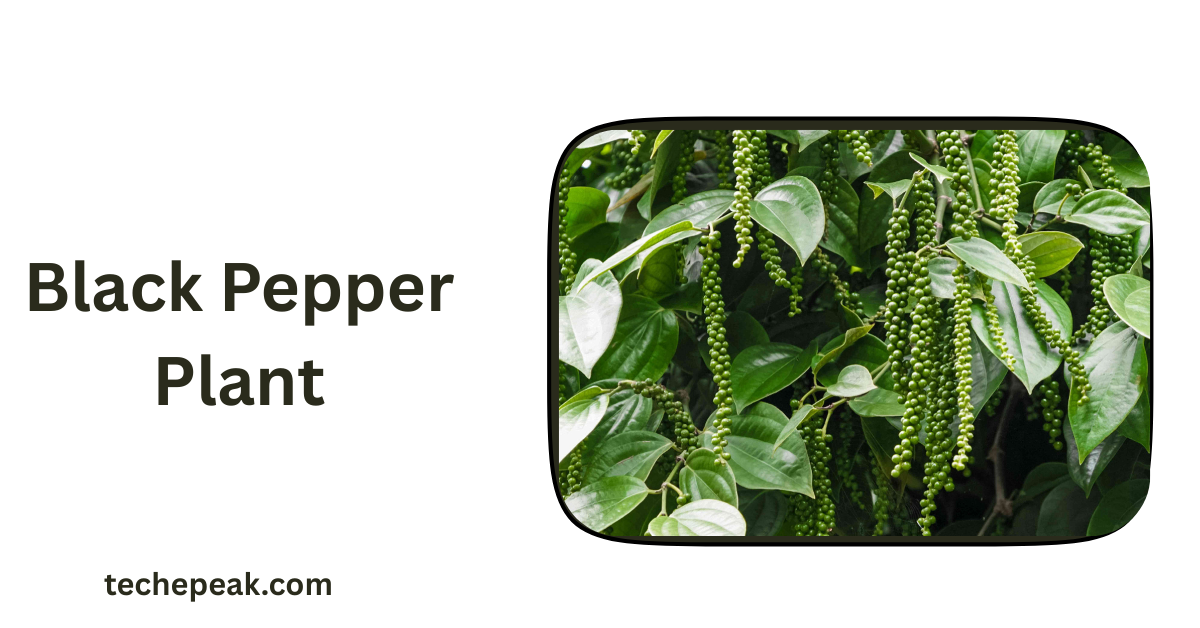

The Black Pepper Plant (Piper nigrum) is widely celebrated as the “King of Spices.” Native to India, it has traveled across continents over centuries, shaping cuisines, trade, and even economies worldwide. Its tiny peppercorns pack a sharp, pungent flavor that enhances both savory and sweet dishes. Beyond the kitchen, the Black Pepper Plant offers numerous health benefits, medicinal uses, and environmental advantages. From culinary applications to traditional remedies, this plant has earned a permanent place in gardens, markets, and herb collections globally.
Table of Contents
ToggleOrigin and Historical Significance of the Black Pepper Plant
The Black Pepper Plant originated in the lush Western Ghats of India, particularly Kerala, where it thrived in tropical conditions. Historical records from India, Greece, and Rome indicate that black pepper has been a valuable commodity for over 4,000 years. Ancient trade routes transported it across Asia, the Middle East, and Europe, making pepper a symbol of wealth and influence.
During the Middle Ages, black pepper was so prized in Europe that it served as currency, used to pay rents, taxes, and even dowries. Venice and Lisbon emerged as major trading hubs because of the pepper trade. Its global journey illustrates the immense cultural and economic significance of the Black Pepper Plant, making it more than just a spice—it became a catalyst for international commerce.
Botanical Overview of the Black Pepper Plant
The Black Pepper Plant is a climbing perennial vine belonging to the Piperaceae family. It can grow up to 10 meters when supported by trees, trellises, or poles. Its dark green, glossy leaves and small clusters of white flowers eventually develop into peppercorns—green, black, or white, depending on harvesting and processing methods.
| Feature | Details |
|---|---|
| Scientific Name | Piper nigrum |
| Family | Piperaceae |
| Native Region | India (Kerala, Western Ghats) |
| Plant Type | Perennial climbing vine |
| Average Height | Up to 10 meters with support |
| Fruit | Peppercorns (black, green, white) |
| Harvesting Season | Late summer to early autumn |
| Uses | Spice, medicinal, preservative, trade commodity |
The plant thrives in humid, tropical climates with partial shade. It prefers fertile, well-drained soils rich in organic matter. Once established, the Black Pepper Plant can yield peppercorns for 20–25 years, making it a long-term investment for both home gardeners and commercial farmers.
Health Benefits of the Black Pepper Plant
The Black Pepper Plant is renowned for its nutritional and medicinal properties. Its peppercorns contain piperine, a bioactive compound responsible for many health benefits.
Digestive Health
Black pepper stimulates hydrochloric acid production in the stomach, aiding digestion. It helps relieve indigestion, bloating, and gas, ensuring smoother digestion after meals. Regular use can support gut health naturally without medications.
Antioxidant and Anti-Inflammatory Effects
The antioxidants in black pepper combat free radicals, reducing oxidative stress and cellular damage. This effect helps slow down aging and may lower the risk of chronic diseases. Piperine also exhibits anti-inflammatory properties, which can benefit individuals with joint pain or arthritis.
Weight Management and Metabolism
Piperine enhances metabolic activity and promotes fat breakdown. Including black pepper in meals can naturally support weight management when combined with a balanced diet and exercise.
Improved Nutrient Absorption
Black pepper increases the bioavailability of other nutrients. For example, it enhances curcumin absorption from turmeric, boosting its anti-inflammatory and antioxidant effects. This synergistic benefit has made black pepper a staple in many traditional medicinal systems.
Respiratory and Immunity Support
The warming nature of black pepper helps clear nasal passages and congestion. Combined with honey or herbal teas, black pepper can aid in managing colds and boosting immunity.
Culinary Uses of the Black Pepper Plant
The Black Pepper Plant is indispensable in kitchens worldwide. Its peppercorns provide a pungent, aromatic flavor that complements a wide range of dishes.
As a Spice
Ground black pepper is highly versatile. It can be sprinkled on salads, meats, soups, and roasted vegetables. Whole peppercorns are ideal for stocks, pickles, and sauces, releasing flavor gradually during cooking. Black pepper blends well with garlic, cumin, and herbs, enhancing dishes naturally.
In Recipes
Chefs use black pepper creatively in both savory and sweet recipes. Classic Italian dishes like cacio e pepe rely on black pepper for their signature flavor, while pepper-crusted steaks showcase its ability to elevate meat dishes. Some cultures even use black pepper in desserts, combining it with chocolate, fruit, or spiced cookies for a subtle heat.
As a Preservative
Historically, black pepper served as a natural preservative due to its antibacterial properties. Before refrigeration, it helped extend the shelf life of meats, pickles, and other perishable items, highlighting the plant’s multifaceted utility.
Cultivation Tips for the Black Pepper Plant
Growing a Black Pepper Plant requires attention to its tropical needs.
- Soil and Climate: The plant prefers fertile, well-drained soil and a humid climate with temperatures between 10–40°C.
- Support Structures: Being a climbing vine, it needs trellises, poles, or trees to grow vertically.
- Watering: Consistent watering is crucial, especially during the first two years. Overwatering should be avoided to prevent root rot.
- Pruning: Prune dead, weak, or overcrowded stems to enhance airflow, sunlight penetration, and fruit production.
- Fertilization: Regular organic compost or balanced fertilizers support healthy growth and maximize peppercorn yield.
- Harvesting: Green peppercorns are harvested before ripening, while fully mature berries are dried to produce black pepper. White pepper comes from ripe berries with the outer layer removed.
With proper care, the Black Pepper Plant can become a long-term, productive addition to home gardens or commercial farms.
Economic and Environmental Importance
The Black Pepper Plant contributes significantly to both economies and ecosystems. Commercial cultivation provides livelihoods for farmers in India, Vietnam, Indonesia, and Brazil. Black pepper is among the most traded spices globally, highlighting its economic value.
Environmentally, the climbing vines help prevent soil erosion and create shaded microclimates for intercropped plants. Its long lifespan and adaptability make it a sustainable crop option for tropical regions.
Interesting Facts About the Black Pepper Plant
- World’s Most Traded Spice: Black pepper consistently ranks among the highest-value traded spices globally.
- Historical Currency: In medieval Europe, it served as a form of payment and symbolized wealth.
- Culinary Versatility: From soups to desserts, black pepper is an essential ingredient across cuisines.
- Medicinal Uses: Piperine enhances nutrient absorption, supports digestion, and boosts metabolism.
- Sustainable Crop: The plant can produce for decades with minimal maintenance, offering economic and environmental benefits.
Conclusion
The Black Pepper Plant is far more than a spice—it’s a historical, culinary, and medicinal treasure. Its journey from the Western Ghats of India to kitchens worldwide underscores its global significance. Whether used for flavoring food, traditional remedies, or economic cultivation, the Black Pepper Plant remains an enduring symbol of nutrition, wellness, and sustainability. Incorporating it into your meals, garden, or herbal collection ensures both taste and health benefits, making it a plant worth cultivating and celebrating.
Most Viewed