

“🔬Your health is crucial! Dive into our Comprehensive Guide to STD Testing! 💉 Know your status, stay healthy & take control of your life! 🌈💪”
Sexually transmitted diseases (STDs) are infections spread through sexual contact. They can result from bacteria, viruses, or parasites and may lead to serious health problems if left untreated. Understanding these infections and the importance of regular testing can safeguard personal health and reduce the risk of spreading infections to others.
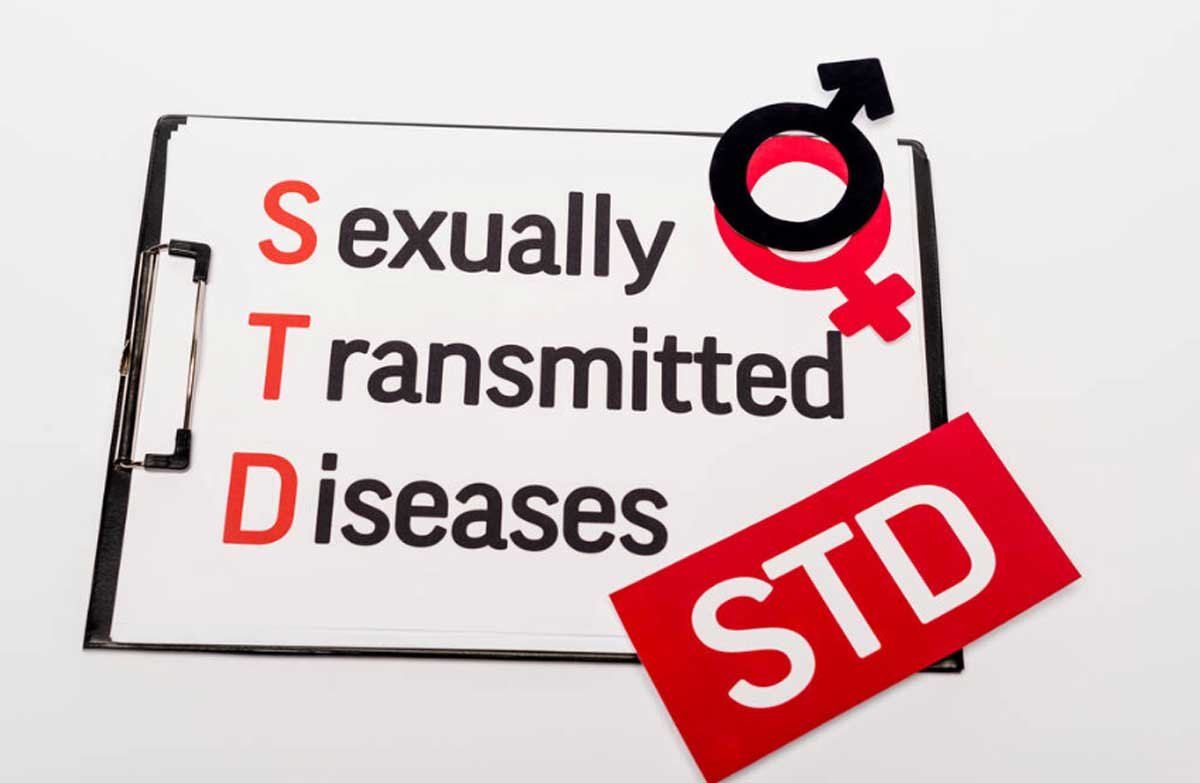
The Significance of Knowing Your STD Status
Being aware of one’s STD status plays a key role in maintaining overall well-being. It allows individuals to make informed choices regarding sexual activity, strengthens responsible relationship practices, encourages preventive behaviour, and contributes to public health efforts. Regular opportunities to test for STDs enable early detection and management, helping to avoid complications and supporting both emotional and physical wellness.
Understanding Sexually Transmitted Diseases
STDs can affect anyone sexually active, regardless of age, gender, or background. These infections can be classified into three main categories:
Bacterial infections such as chlamydia, gonorrhoea, and syphilis.
Viral infections, including HIV, herpes, and human papillomavirus (HPV).
Parasitic infections like trichomoniasis.
Transmission occurs primarily through sexual activity, including vaginal, anal, and oral intercourse. In some cases, infections can spread through shared needles or from mother to child during childbirth or breastfeeding.
Common symptoms can vary depending on the infection. Individuals may notice unusual discharge, painful urination, genital irritation, sores, warts, or flu-like symptoms such as fever and fatigue. Some STDs, however, show no noticeable signs, making regular testing critical for detection.
Common Misconceptions About STDs
There are several myths surrounding sexually transmitted infections. Some believe that STDs only affect certain groups, can be identified by appearance alone, or always produce symptoms. These misconceptions can prevent individuals from seeking timely testing and treatment. Providing clear, accurate information helps challenge these beliefs and supports informed health decisions.
Reasons to Undergo STD Testing
Testing plays a central role in protecting both personal and public health. Untreated STDs may cause long-term complications such as chronic pain, infertility, or increased vulnerability to HIV. Emotional well-being can also be affected due to stress and anxiety related to infection.
Preventing transmission relies on a combination of safe practices, routine screening, vaccination where available, and open discussions with sexual partners. These actions help reduce the spread of infections and support healthier communities.
When Testing is Advisable
Routine testing is recommended for all sexually active individuals, particularly those with new or multiple partners. Testing should be prioritised if any symptoms develop, including unusual discharge, painful urination, genital sores, or unexplained discomfort. Individuals who have engaged in unprotected sexual activity or have changed partners recently should also seek testing promptly.
Regular testing enables early detection, reduces health risks, and allows for timely intervention. It also supports transparency and trust between partners, contributing to safer sexual relationships.
Available Methods of STD Testing
At-Home Testing Kits
At-home kits offer a convenient and private option for assessing sexual health. These kits typically provide instructions and materials for sample collection, and results can be accessed confidentially online. They are a useful tool for those seeking discretion or limited access to clinics.
Clinic-Based Testing
Testing in medical clinics provides professional guidance, accurate results, and immediate access to treatment if necessary. Clinics maintain confidentiality while offering comprehensive screening options, helping reduce infection risk within communities.
Understanding Test Results
Test results can indicate a positive or negative finding, suggest retesting, or recommend a course of treatment. It is advisable to consult healthcare providers to interpret these results. Professionals can explain the implications, discuss treatment plans, and offer advice on managing health effectively.
Responding to a Positive Result
If testing reveals an infection, medical guidance should be sought without delay. Treatment may involve medication, lifestyle adjustments, or other healthcare interventions, depending on the type of infection. Partners should be informed so they can also undergo testing and receive care if needed.
Open and honest communication between partners regarding sexual health encourages safer practices, builds mutual trust, and helps address any concerns related to intimacy or well-being.
Preventing STDs
Preventive measures focus on safe sexual practices. Consistent use of condoms, routine screenings, transparent communication with partners, and mindful decisions regarding sexual activity all contribute to lowering the risk of infection.
Maintaining regular health check-ups and discussing sexual history openly with partners supports responsible behaviour. These practices help identify potential risks early and allow couples to manage their sexual health with awareness and care.
Conclusion
Regular STD testing forms a key component of personal health management. Awareness, accurate information, preventive actions, and professional guidance collectively reduce risks associated with infections. By taking proactive steps, individuals can protect themselves, support the health of their partners, and contribute to overall community well-being.

Most Viewed