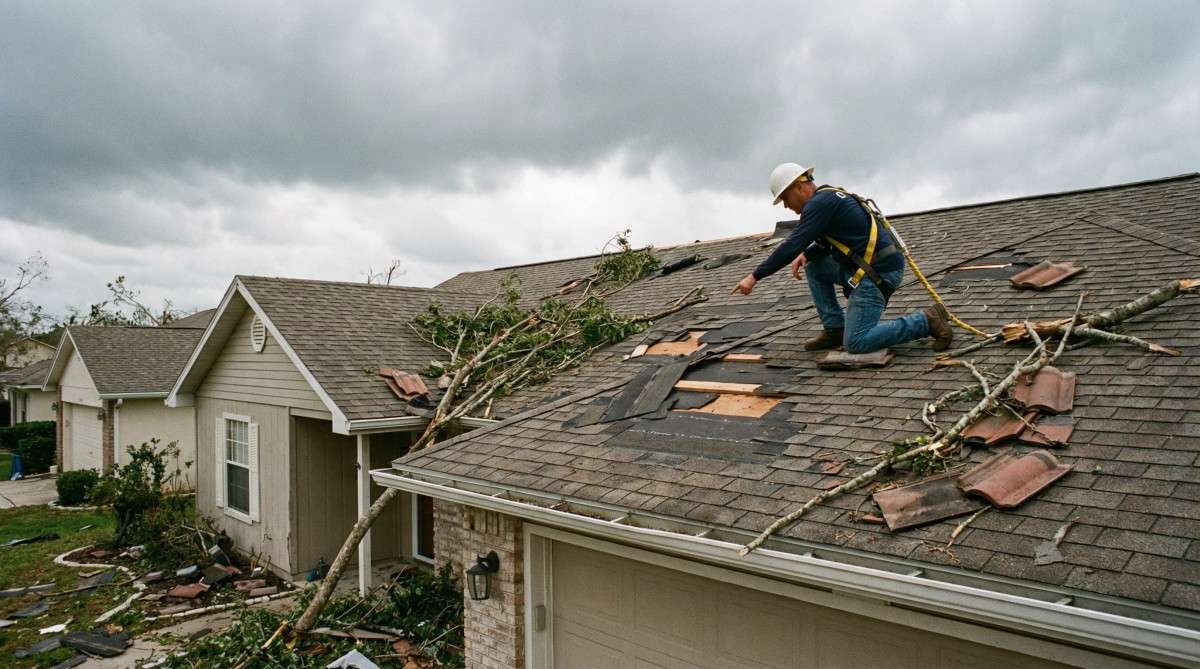

Prompt and effective storm damage roof repair is essential to mitigate secondary damage, such as water infiltration, mold growth, and compromised structural elements, which can significantly increase repair costs and health risks. Addressing roof damage quickly after a severe weather event ensures the home remains watertight, preserving interior finishes and preventing long-term deterioration of the building envelope. This proactive approach safeguards property value and provides peace of mind for homeowners facing unexpected repairs.
The process typically involves a thorough inspection to assess the extent of damage, followed by temporary tarping to prevent further water entry, and then comprehensive repairs or replacement of affected roofing components. Homeowners should document all damage with photographs and contact their insurance provider promptly to initiate the claims process, as delays can complicate coverage. Engaging a reputable roofing contractor specializing in storm damage is vital for accurate assessment and quality restoration.
Understanding the common types of storm damage, such as wind-lifted shingles, hail impact, and debris penetration, helps homeowners identify potential issues and communicate effectively with repair professionals. Knowledge of the repair timeline, material options, and warranty considerations further empowers property owners to make informed decisions throughout the restoration journey. Prioritizing safety and professional expertise ensures a durable and effective repair solution.
Understanding Storm Damage to Roofs: What It Is and Why It Matters
Storm damage to roofs encompasses a range of structural and material compromises caused by severe weather events, including high winds, hail, heavy rain, and falling debris, necessitating immediate attention to prevent escalating problems. This damage can manifest as missing or cracked shingles, punctures, compromised flashing, or even significant structural breaches, all of which undermine the roof’s primary function of protecting the building. Recognizing the specific type and extent of damage is critical for accurate repair planning and ensuring the long-term integrity of the entire property.
The integrity of a roof is paramount for a home’s overall protection, acting as the primary barrier against environmental elements. When this barrier is compromised by storm damage, the consequences extend beyond visible exterior issues, potentially leading to interior water damage, mold growth, reduced energy efficiency, and even structural instability. Prompt assessment and repair are not merely cosmetic fixes but essential measures to safeguard the entire building envelope and its contents from progressive deterioration.
Ignoring or delaying storm damage roof repair can result in more extensive and costly problems over time, including rot in decking and framing, electrical hazards from water intrusion, and diminished indoor air quality due to mold. Furthermore, unresolved damage can complicate future insurance claims and significantly reduce the lifespan of the roofing system. Therefore, understanding the nature of storm damage and its implications is the first step toward effective and timely restoration.
Types of Storm Damage and Repair Options: Key Factors and Comparisons
Various types of storm damage, such as wind, hail, and falling debris, each present distinct challenges and require specific repair methodologies, ranging from localized patching to full roof replacement, depending on the severity and material affected. Wind damage often results in lifted, creased, or missing shingles, while hail can cause impact marks, granule loss, or fractures on various roofing materials. Debris, such as tree branches, can lead to punctures, tears, or structural damage, necessitating a tailored repair approach for optimal restoration and longevity.
Selecting the appropriate repair option hinges on several key factors, including the type of roofing material, the age of the roof, the extent of the damage, and local building codes. For minor, localized damage, spot repairs or shingle replacement may suffice, preserving the majority of the existing roof. However, widespread damage, especially across multiple sections or affecting the underlayment, often necessitates a more extensive repair or even a complete roof replacement to ensure structural integrity and prevent future leaks.
Understanding the distinctions between common damage types and their corresponding repair strategies is crucial for homeowners to make informed decisions and work effectively with contractors. The table below provides a comparative overview of typical storm damage scenarios and their recommended repair solutions, highlighting the considerations for each.
| Damage Type | Common Manifestations | Recommended Repair Options | Key Considerations |
|---|---|---|---|
| Wind Damage | Lifted, creased, or missing shingles; detached flashing; loose roof accessories. | Shingle replacement; re-securing flashing; sealing exposed areas. | Matching existing shingles; assessing underlayment integrity; ensuring proper fastening. |
| Hail Damage | Granule loss on asphalt shingles; dents on metal roofs; cracks on tiles; impact marks. | Spot shingle replacement; patching metal; full roof replacement for extensive granule loss. | Extent of granule loss; age of roof; potential for hidden damage to substrate. |
| Debris Impact | Punctures, tears, or cracks from falling branches or objects; structural damage to decking. | Patching; section replacement; structural repairs to decking or trusses. | Size and depth of penetration; presence of water damage to underlying structure. |
| Water Intrusion | Leaks, stains on ceilings, mold growth, saturated insulation. | Identifying source of leak; repairing damaged roofing components; addressing interior water damage. | Thorough leak detection; mold remediation; drying out affected areas. |
The Storm Damage Roof Repair Process: A Step-by-Step Approach
The storm damage roof repair process typically involves a systematic series of steps, beginning with a comprehensive damage assessment and culminating in thorough restoration and final inspection, ensuring all issues are addressed effectively. This structured approach guarantees that both visible and hidden damage are identified, temporary measures are implemented to prevent further harm, and permanent repairs are executed to restore the roof’s protective capabilities. Adhering to a clear process minimizes delays and ensures a high-quality, durable outcome for homeowners.
Initially, a professional inspection is conducted to meticulously document all damage, often involving drone technology or physical assessment to identify compromised areas, including shingles, flashing, gutters, and underlying decking. Following this, temporary tarping or sealing is applied to vulnerable sections to prevent immediate water intrusion, protecting the home’s interior from further exposure to the elements. This crucial interim step buys time for insurance claims processing and permanent repair scheduling.
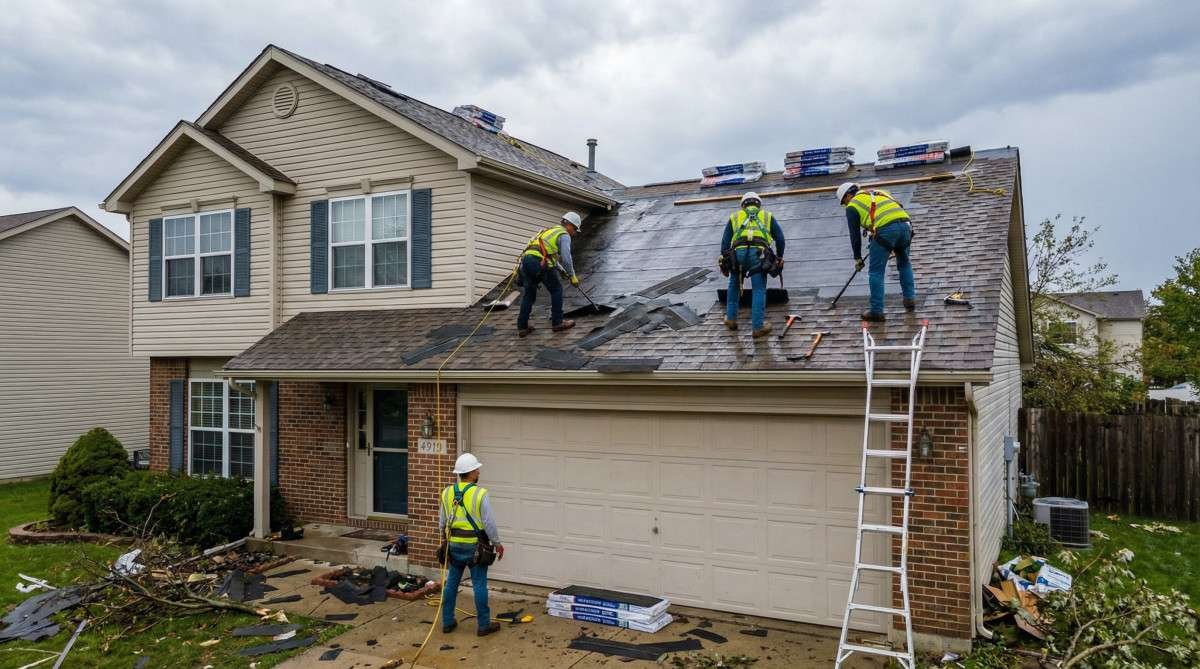
Once temporary measures are in place and insurance approvals are secured, the permanent repair phase begins, involving the removal of damaged materials, repair or replacement of compromised decking, and installation of new roofing components. This stage requires skilled craftsmanship to ensure proper sealing, ventilation, and adherence to manufacturer specifications and local building codes. A final inspection verifies the quality of workmanship and the complete restoration of the roof’s integrity, providing homeowners with confidence in their repaired system.
Cost Considerations for Storm Damage Roof Repair
The cost of storm damage roof repair varies significantly based on factors such as the extent of the damage, the type of roofing material, the complexity of the roof structure, and regional labor rates, making a detailed professional assessment essential for accurate estimates. Minor repairs, like replacing a few shingles, will naturally incur lower costs than extensive damage requiring large sections of the roof to be re-decked or entirely replaced. Understanding these variables helps homeowners anticipate expenses and navigate insurance claims effectively.
Material costs play a substantial role, with premium roofing materials like slate or tile being more expensive to repair or replace than standard asphalt shingles. Labor costs are also a significant component, influenced by the contractor’s expertise, the duration of the repair, and the safety measures required for complex jobs. Additionally, emergency services, such as temporary tarping, may add to the initial expenses, though these are often covered by insurance to prevent further damage.
Homeowners should obtain multiple detailed quotes from reputable contractors, ensuring each quote specifies materials, labor, and any additional services like debris removal or permits. While insurance typically covers storm-related damage, understanding deductibles and policy limits is crucial. A comprehensive estimate allows for better financial planning and helps in negotiating with insurance adjusters to ensure fair compensation for the necessary repairs.
Long-Term Benefits and Maintenance Tips After Storm Repair
Investing in professional storm damage roof repair yields significant long-term benefits, including enhanced structural integrity, improved energy efficiency, and extended roof lifespan, while consistent post-repair maintenance ensures these advantages are sustained. A properly repaired roof restores the home’s primary defense against the elements, preventing future leaks and protecting the interior from costly water damage and mold. These benefits contribute to a safer, more comfortable living environment and preserve the property’s overall value.
Effective maintenance after storm repair is crucial for maximizing the roof’s durability and performance. Regular inspections, ideally twice a year and after any significant weather event, can identify minor issues before they escalate into major problems. Clearing gutters and downspouts of debris ensures proper water drainage, preventing water from pooling and compromising the roof’s edges and foundation. Trimming overhanging tree branches reduces the risk of future impact damage during high winds.
Additionally, monitoring the attic for signs of leaks or moisture, such as water stains or musty odors, can indicate subtle issues that require attention. Addressing loose or damaged flashing around chimneys, vents, and skylights is also vital, as these are common points of water entry. Proactive maintenance not only extends the life of the repaired roof but also helps in identifying potential vulnerabilities that could be exacerbated by future storms, ultimately saving homeowners from expensive future repairs.
Frequently Asked Questions
Q1: How do I know if my roof has storm damage?
A1: After a storm, look for visible signs like missing, cracked, or curled shingles, dents on gutters or vents, and granules in downspouts. Interior signs include water stains on ceilings or walls. It is always recommended to have a professional inspection to identify less obvious damage.
Q2: Should I contact my insurance company before or after repairs?
A2: You should contact your insurance company immediately after discovering storm damage, before initiating any permanent repairs. They will typically send an adjuster to assess the damage and verify coverage. Temporary repairs, like tarping, can be done to prevent further damage while awaiting the adjuster.
Q3: How long does storm damage roof repair take?
A3: The duration of storm damage roof repair varies significantly based on the extent of the damage, the size of the roof, and the availability of materials and labor. Minor repairs might take a day or two, while a full roof replacement due to extensive damage could take several days to a week or more.
Q4: Can I repair storm damage to my roof myself?
A4: While minor repairs might seem manageable, it is generally not recommended to attempt storm damage roof repair yourself due to safety risks and the complexity of ensuring a watertight seal. Professional roofers have the necessary expertise, equipment, and insurance to perform repairs safely and effectively, ensuring compliance with building codes.
Q5: What is the difference between repair and replacement?
A5: Repair involves fixing specific damaged sections of the roof, such as replacing a few shingles or patching a small area, to restore its functionality. Replacement, on the other hand, entails removing the entire existing roofing system down to the deck and installing a completely new one, typically for widespread or severe damage.
Effectively addressing storm damage to your roof is a critical investment in your home’s longevity and safety. By understanding the types of damage, engaging qualified professionals, and maintaining your roof diligently, homeowners can navigate the repair process with confidence. Prioritizing timely and thorough restoration ensures your home remains a secure and protected sanctuary against future weather challenges.

Most Viewed