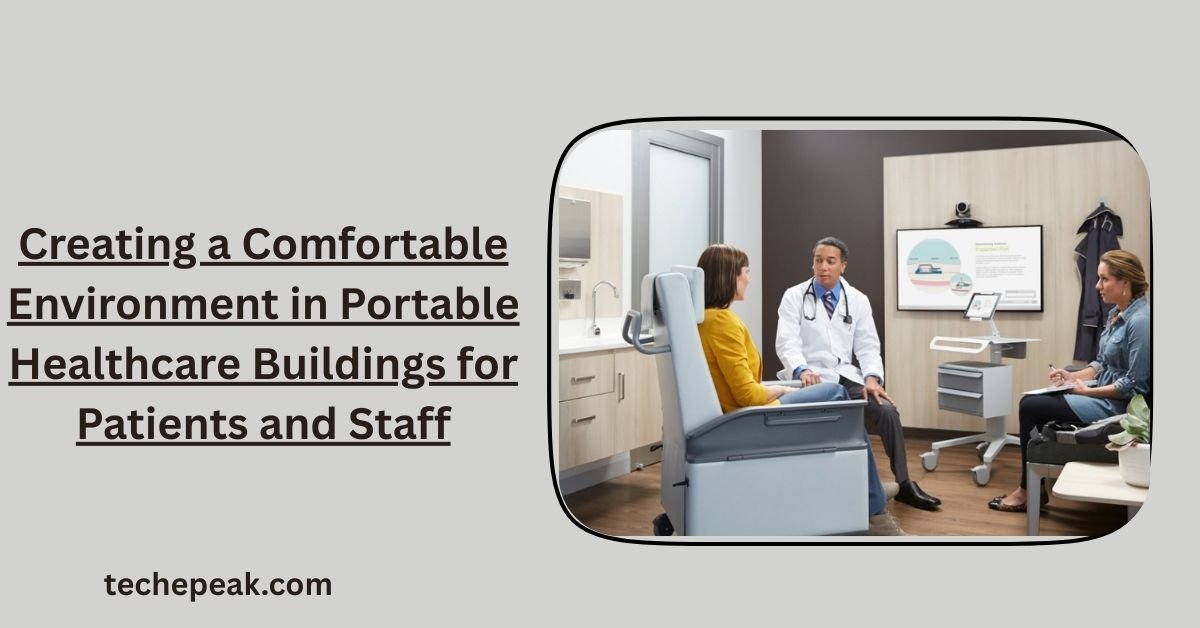
A portable healthcare building is a movable structure used to provide medical services, such as in clinics and hospitals. Portable healthcare buildings can be used to provide medical services in remote areas, at emergency response sites, and in disaster zones. Here is some more information on creating a comfortable environment in portable healthcare buildings for patients and staff:
Patient Centered Spaces
A portable healthcare building helps you reach patients in their local area by reducing travel and accessibility challenges. When you plan the space, you focus on layouts that address patient needs and adapt to different conditions. Portable healthcare buildings feature functional elements, such as spacious waiting areas, private check-in counters, and examination rooms, that support routine care and administrative workflows.
You shape the design to match your workflow, creating private consultation rooms, testing laboratories, and rehabilitation spaces as needed. The structure can also be adjusted for specific medical specialties. So the layout fits the type of care you provide. For pediatric practices, for example, the building may include child-friendly waiting areas, examination rooms with lower counters, and play spaces with appropriate design elements.
Air Quality and Ventilation
Air quality and ventilation help maintain a functional environment inside a portable healthcare building. These structures can include high-efficiency filtration systems designed to reduce airborne particles, dust, and allergens, supporting consistent indoor air quality. Ventilation systems circulate fresh air throughout the building, maintaining a controlled environment for patients, staff, and medical equipment. Some buildings also incorporate ducted air systems to optimize airflow and reduce stagnant areas.
When designing a portable healthcare building, you can incorporate natural airflow through operable windows, skylights, and strategically placed vents to reduce reliance on mechanical systems. You can also install air purification systems that use UV light to address airborne contaminants and help minimize the risk of bacterial and viral presence. These features support proper air exchange, reduce odors, and contribute to a more stable environment within the health facility.
Natural Light
Natural light enters portable healthcare buildings through large exterior windows, skylights, and clear interior panels, illuminating workspaces, consultation rooms, and common areas. These features are designed to guide sunlight through patient corridors and areas, while adjustable blinds and shades allow control over brightness without blocking daylight. Ceiling skylights and strategically placed windows distribute light throughout hallways, waiting areas, and treatment spaces. This creates a well-lit, functional interior.
Designing with natural light in mind also enables careful placement of windows and panels to maximize daylight coverage while reducing glare. Layouts can channel light to critical areas while maintaining privacy for patients and staff. Interior walls and partitions can further guide sunlight flow, providing consistent illumination throughout the building. This integration of natural light reduces reliance on artificial lighting. This also helps to support efficient energy use within the facility.
Ergonomic Workspaces
When designing a portable healthcare building, arrange workspaces to support staff efficiency, functionality, and adaptability. Incorporate ergonomic elements such as adjustable chairs, supportive stools, and workstations that allow for both sitting and standing for tasks. Position equipment, supplies, and technology within easy reach to reduce bending or lifting. Maintain clear pathways between treatment areas to allow smooth and safe movement throughout the space. These strategies often help with the streamlining of the workflow, optimize task efficiency, enhance productivity, and support consistent operations during long shifts.
High-Quality Materials
Choose materials that enhance the functionality and durability of your portable healthcare building. Use surfaces designed to withstand frequent cleaning and daily use, such as durable wall panels and flooring that support long-term maintenance. High-quality materials provide stable, long-lasting fixtures and simplify upkeep while maintaining hygiene standards. Thoughtful selection of finishes and construction elements helps the building remain reliable and efficient. It also aids in supporting smooth daily operations for staff.
Implementing Portable Healthcare Buildings
Implementing portable healthcare buildings can expand how you deliver care and provide flexible solutions for evolving patient needs. These buildings increase capacity, reduce wait times, and allow staff to respond quickly to changing demand. Design units that adapt to different medical requirements and site conditions to maximize functionality without affecting workflow. Modular construction also allows expansion or reconfiguration as future needs arise. Contact a trusted provider today to explore options and create a solution tailored to your facility.