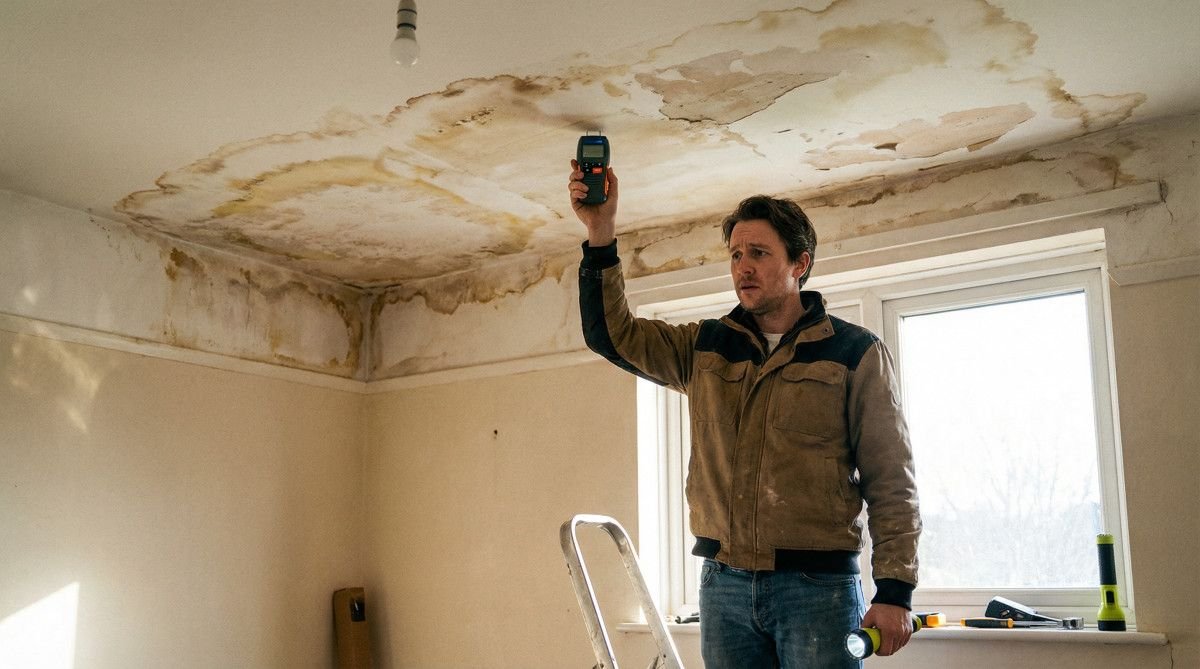

Water damage in a house can manifest through various indicators, including musty odors, visible stains on walls or ceilings, peeling paint, and warped flooring, often originating from leaks in plumbing, roofs, or foundations, requiring prompt identification to prevent structural issues and mold growth. Early detection is crucial for homeowners in any region to mitigate potential long-term damage and maintain property value.
Understanding the Common Sources of Water Intrusion
Water intrusion in homes across various climates, from humid coastal areas to dry inland regions, frequently stems from compromised plumbing systems, roof leaks, or foundation cracks, with local weather patterns like heavy rainfall or snowmelt often exacerbating these vulnerabilities. Identifying the specific source is paramount for effective remediation and preventing recurrence, as different origins require distinct repair strategies.
Water damage often originates from a few common areas within a home. Understanding these sources is the first step in effective detection and prevention. Leaky pipes, especially those hidden behind walls or under floors, can cause significant damage before becoming visible. Roof damage, such as missing shingles or compromised flashing, allows rainwater to seep into the attic and ceilings. Foundation cracks can permit groundwater to enter basements or crawl spaces, particularly after heavy rains or snowmelt. Appliance malfunctions, like those involving water heaters, washing machines, or dishwashers, are also frequent culprits. Additionally, clogged gutters and downspouts can lead to water pooling around the foundation, eventually compromising its integrity.
Visual Cues: What to Look For on Surfaces
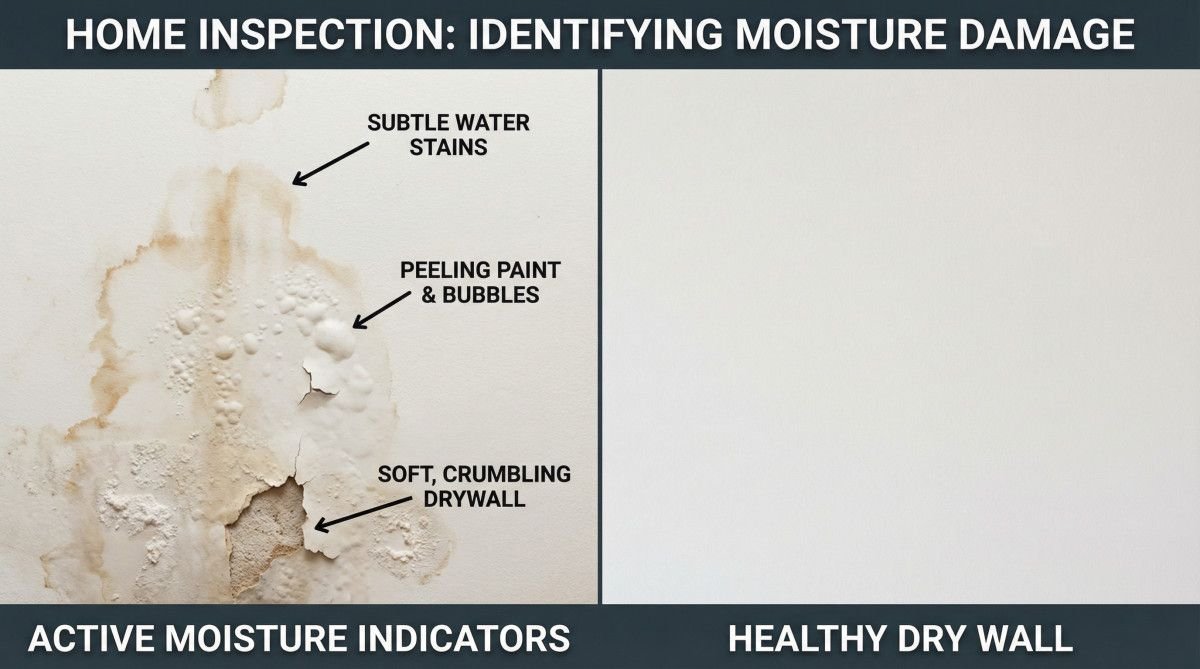
Visible signs of water damage, such as discoloration, peeling paint, or warping, are critical indicators for homeowners in any geographic location, from urban dwellings to rural properties, signaling potential moisture issues that demand immediate attention to prevent further structural degradation. These visual cues can appear on various surfaces throughout the home, providing direct evidence of water presence.
Inspecting surfaces for visual cues is a straightforward method to identify water damage. On ceilings and walls, look for water stains, which often appear as yellow, brown, or dark rings. Peeling, bubbling, or flaking paint or wallpaper can indicate moisture trapped beneath the surface. Softened or sagging drywall is another clear sign, as prolonged exposure to water weakens its structural integrity. For flooring, observe any warping, buckling, or cupping of wood planks, which occurs when wood absorbs moisture and expands unevenly. Tile grout that is crumbling or discolored, or loose tiles, can also point to water penetration. Carpets may feel damp, show discoloration, or develop a musty odor, even if the underlying subfloor is not visibly wet.
Olfactory and Tactile Indicators of Hidden Moisture
Musty odors and damp textures are significant, often early, indicators of hidden water damage in homes, regardless of their geographical setting, suggesting the presence of mold or trapped moisture in concealed areas like wall cavities or subflooring. These sensory clues are particularly valuable when visual signs are not yet apparent, prompting further investigation.
Beyond visual inspection, your senses of smell and touch can reveal hidden water damage. A persistent musty or earthy odor, especially in basements, crawl spaces, or bathrooms, is a strong indicator of mold or mildew growth, which thrives in damp environments. This smell can be present even if no visible mold is apparent, suggesting moisture behind walls or under flooring. Touching surfaces can also provide clues; areas that feel unusually damp, soft, or spongy to the touch, particularly on drywall, wood, or insulation, often signify water saturation. Cold spots on walls or floors, when other areas are warm, can also indicate moisture presence due to evaporative cooling. These subtle sensory details can guide homeowners to areas requiring a more thorough investigation.
Advanced Inspection Techniques and Tools
For homeowners seeking to thoroughly assess their property for water damage, particularly in areas where visual or olfactory cues are subtle, employing advanced inspection techniques and specialized tools is highly effective, offering precise detection capabilities crucial for properties in diverse environmental conditions. These methods provide a more in-depth analysis, pinpointing hidden moisture sources.
When visual and olfactory cues are insufficient, advanced inspection techniques and tools can help pinpoint hidden water damage. A moisture meter is an invaluable tool that measures the moisture content in materials like drywall, wood, and concrete, providing objective data on dampness levels. Thermal imaging cameras can detect temperature differences on surfaces, revealing cooler areas where moisture is present due to evaporation. Borescopes or inspection cameras can be inserted into small holes in walls or ceilings to visually inspect concealed spaces without extensive demolition. Ultraviolet (UV) light can sometimes reveal certain types of mold or water stains that are not visible under normal light. Professional home inspectors often utilize these tools, along with their expertise, to conduct comprehensive water damage assessments, especially during pre-purchase inspections or when the source of a leak is elusive.
The Importance of Prompt Action and Professional Assessment
Taking prompt action upon discovering any sign of water damage is critical for homeowners in any community, as delaying remediation can lead to exacerbated structural issues, extensive mold growth, and significantly higher repair costs, underscoring the necessity of timely professional assessment. Swift intervention minimizes the long-term impact on both the property and its occupants.
Upon detecting any signs of water damage, immediate action is paramount. Delaying remediation can transform a minor issue into a major structural problem, leading to costly repairs and potential health hazards from mold growth. Contacting a qualified professional, such as a water damage restoration specialist or a licensed home inspector, is highly recommended. These experts can accurately assess the extent of the damage, identify the source, and develop a comprehensive remediation plan. They possess the specialized equipment and knowledge to safely and effectively dry out affected areas, prevent mold proliferation, and restore the property to its pre-damage condition. Early intervention not only protects your investment but also safeguards the health and safety of your household.
Frequently Asked Questions
What are the first signs of water damage?
The first signs of water damage often include a musty odor, discoloration or staining on walls and ceilings, peeling or bubbling paint, and soft or damp spots on surfaces. These indicators suggest moisture presence and warrant further investigation to prevent escalation.
How can I check for hidden water leaks?
To check for hidden water leaks, monitor your water meter for changes when no water is being used, inspect areas around plumbing fixtures for subtle dampness, and consider using a moisture meter or thermal imaging camera for more precise detection behind walls or under floors.
Is a musty smell always water damage?
A musty smell is a strong indicator of mold or mildew growth, which typically requires moisture to thrive, making it a common sign of water damage. While high humidity alone can cause mustiness, it often points to a hidden water source that needs to be addressed.
What tools are useful for detecting water damage?
Useful tools for detecting water damage include moisture meters to measure dampness in materials, thermal imaging cameras to identify temperature differentials caused by moisture, and borescopes for visual inspection of concealed spaces without significant demolition.
When should I call a professional for water damage?
You should call a professional for water damage when you suspect a hidden leak, observe significant structural damage, find extensive mold growth, or if the water damage is beyond your capacity to safely and effectively remediate, ensuring proper assessment and restoration.
Conclusion
Identifying water damage in a home is a critical aspect of property maintenance and preservation. By diligently observing visual cues such as stains and peeling paint, recognizing olfactory and tactile indicators like musty smells and dampness, and employing advanced inspection tools, homeowners can detect issues early. Prompt action upon discovery, including seeking professional assessment when necessary, is essential to mitigate extensive structural damage, prevent mold proliferation, and avoid costly repairs. Proactive vigilance ensures the long-term integrity and safety of your living environment, protecting your investment for years to come. This approach empowers individuals to safeguard their homes against the pervasive threat of water intrusion.

Most Viewed