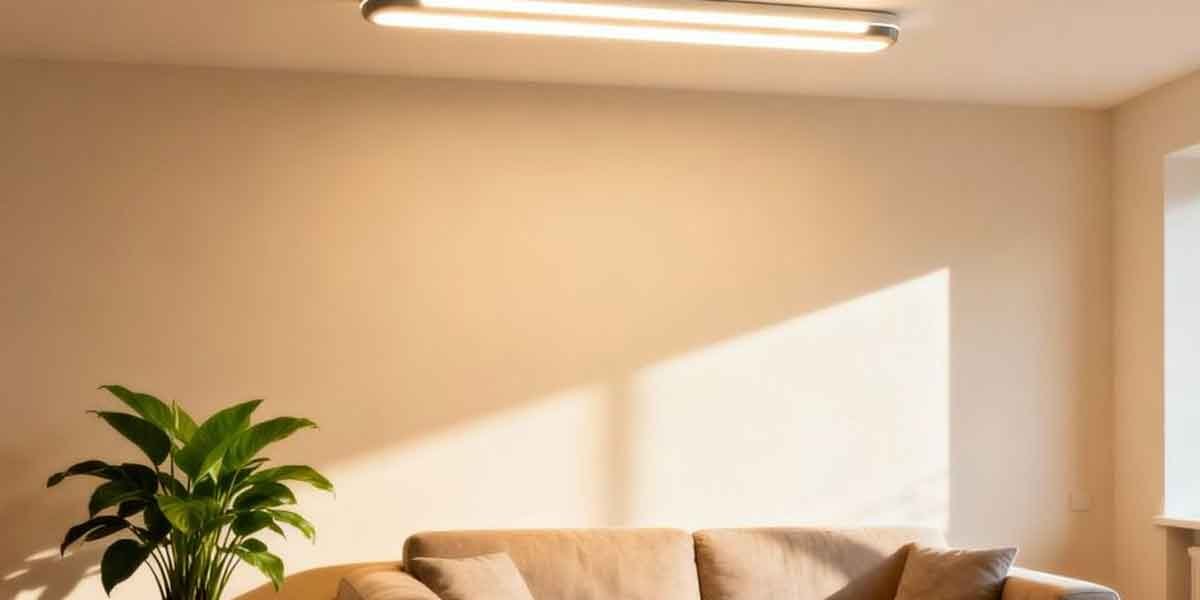

In the contemporary real estate market, energy efficiency has transitioned from a desirable feature to a fundamental requirement for modern residential buildings. As utility costs continue to rise and environmental awareness grows, homeowners and property investors are increasingly seeking ways to reduce energy consumption and improve the sustainability of their properties. Lighting is one of the most effective areas for energy-efficient upgrades, offering a range of solutions from LED technology and smart controls to natural light integration and energy-saving algorithms. This article explores the most impactful energy-efficient lighting solutions for modern residential properties, focusing on their long-term benefits and return on investment.
Table of Contents
ToggleThe Importance of Energy-Efficient Lighting
Energy-efficient lighting is a key driver of property value. A building that is designed or retrofitted to consume less energy is more attractive to potential buyers and tenants, who are increasingly prioritizing sustainability and cost-effectiveness. Furthermore, many local and state governments offer tax incentives and rebates for energy-efficient improvements, making these upgrades even more financially viable.
Lighting Solution
Primary Benefit
Estimated ROI
LED Technology
Reduces energy consumption and waste
High
Smart Controls
Provides precise control over energy use
High
Natural Light Integration
Reduces the need for artificial light
Moderate to High
Energy-Saving Algorithms
Optimizes lighting based on usage
High
The Role of LED Technology in Energy Efficiency
LED (Light Emitting Diode) technology is the most significant advancement in energy-efficient lighting. LEDs use significantly less energy than traditional incandescent or fluorescent bulbs and last much longer. They also produce less heat, which can reduce the workload on the HVAC system during the summer months.
“LED technology is the foundation of energy-efficient lighting. By replacing old, inefficient bulbs with LEDs, homeowners can significantly reduce their energy consumption and save money on their monthly utility bills.”
LEDs are available in a wide range of color temperatures and styles, making them suitable for any room in the home. They are also highly durable and resistant to impact and vibration, making them a long-lasting and sustainable choice for residential properties.
The Benefits of Smart Lighting Controls
Smart lighting controls, such as dimmers, sensors, and smart bulbs, allow homeowners to adjust the intensity and color of their lights to suit different times of day or specific occasions. This not only improves the functionality and comfort of the home but also reduces unnecessary energy use.
Motion sensors in hallways and entryways ensure that lights are only active when needed, while programmable schedules can simulate occupancy when the homeowners are away, deterring potential intruders. Smart lighting systems can also be integrated with other smart home devices, such as smart thermostats and smart blinds, to create a more cohesive and efficient living environment.
The Evolution of Natural Light Integration
Natural light integration is another important aspect of energy-efficient lighting. By maximizing the amount of natural light that enters the home, homeowners can reduce the need for artificial light during the day. This can be achieved through the strategic placement of windows and skylights, as well as the use of light-colored finishes and reflective surfaces.
Natural light not only provides immediate energy savings but also has a profound impact on the psychological and physiological well-being of residents. It influences mood, productivity, and even the body’s internal clock, known as the circadian rhythm. A well-designed living space that maximizes natural light not only feels more spacious and inviting but also supports a healthier and more sustainable lifestyle.
Conclusion: Investing in a Sustainable Future
In conclusion, energy-efficient lighting solutions are a strategic investment in the longevity and value of modern residential properties. By focusing on LED technology, smart controls, and natural light integration, homeowners and property investors can significantly reduce energy consumption and improve the sustainability of their properties. These solutions not only provide immediate financial benefits through lower utility bills but also enhance the comfort and marketability of the home. As the real estate market continues to evolve, energy efficiency will remain a critical factor in determining the success and profitability of residential investments. Investing in a sustainable future is a strategic decision that pays off in the long run through improved environmental performance and reduced resource consumption.

Chase Durkish
Most Viewed