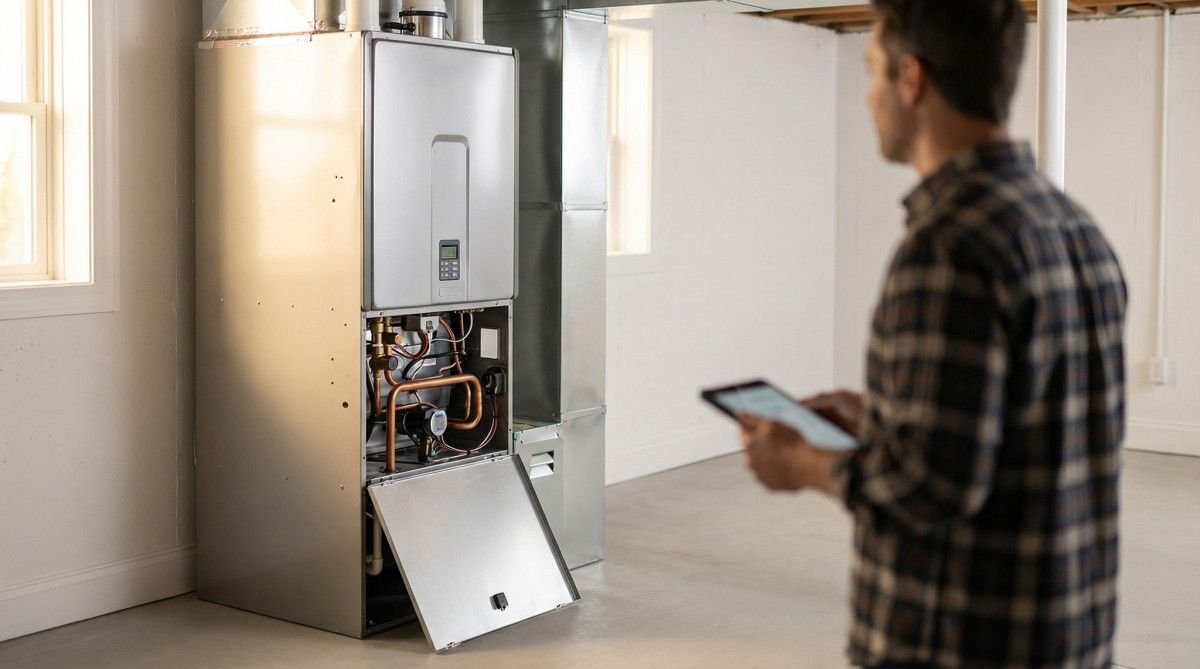

A properly functioning furnace is crucial for maintaining a comfortable and safe home environment, especially during colder months, as it directly impacts indoor air quality and energy consumption. Understanding basic furnace repair and maintenance can prevent costly breakdowns and extend the lifespan of your heating system, ensuring consistent warmth and efficiency throughout the year.
Common Furnace Problems and Troubleshooting Steps
Furnace malfunctions often stem from common issues that homeowners can frequently diagnose and resolve with basic tools and knowledge, preventing discomfort and potential service calls. Addressing these problems promptly ensures the heating system operates safely and efficiently, maintaining consistent indoor temperatures and reducing energy waste. This section outlines prevalent furnace issues and provides actionable troubleshooting steps.
No Heat or Insufficient Heat
When a furnace fails to produce heat or provides inadequate warmth, the problem often lies with the thermostat settings, a tripped circuit breaker, or a clogged air filter. Ensuring the thermostat is correctly set to ‘heat’ mode and above the ambient temperature is the first step. Additionally, checking the electrical panel for a tripped breaker and inspecting the air filter for excessive dirt can quickly resolve many no-heat scenarios.
Short Cycling
Short cycling, where the furnace turns on and off frequently, can indicate issues such as an oversized unit, a dirty air filter, or a malfunctioning thermostat. A clogged filter restricts airflow, causing the furnace to overheat and shut down prematurely. An improperly sized furnace may heat the space too quickly, leading to rapid on-off cycles. Addressing these can improve efficiency and prevent premature wear.
Unusual Noises
Strange sounds emanating from a furnace, such as banging, squealing, or rattling, often signal mechanical problems like loose components, worn-out bearings, or issues with the blower motor. Banging noises can result from expanding and contracting ductwork or ignition problems. Squealing typically points to a worn blower belt, while rattling may indicate loose panels or debris within the system. Prompt investigation can prevent minor issues from escalating into major repairs.
Pilot Light or Ignition Problems
For gas furnaces, a pilot light that won’t stay lit or an electronic ignition system that fails to spark can prevent the furnace from operating. A common cause for pilot light issues is a dirty or faulty thermocouple, which is a safety device that senses the pilot flame. Electronic ignition problems might stem from a dirty flame sensor or a faulty igniter. These components are critical for safe and effective furnace operation.
Blower Running Constantly
A furnace blower that runs continuously, even when the heating cycle is complete, often points to a thermostat set to ‘fan on’ instead of ‘auto,’ or a stuck limit switch. The limit switch is responsible for turning the blower on and off based on the furnace’s internal temperature. If it malfunctions, the blower may not receive the correct signals, leading to continuous operation and increased energy consumption.
| Problem | Possible Causes | Troubleshooting Steps |
|---|---|---|
| No Heat | Thermostat settings, tripped breaker, clogged filter, pilot light out | Check thermostat, reset breaker, replace filter, relight pilot |
| Short Cycling | Dirty filter, oversized unit, thermostat malfunction | Replace filter, check thermostat placement, consult professional for sizing |
| Unusual Noises | Loose parts, worn bearings, blower motor issues | Tighten panels, lubricate bearings, inspect blower fan |
| Pilot Light/Ignition Failure | Dirty thermocouple, faulty igniter, dirty flame sensor | Clean/replace thermocouple, clean flame sensor, check igniter |
| Blower Runs Constantly | Thermostat fan setting, stuck limit switch | Set thermostat to ‘auto’, inspect/replace limit switch |
Preventative Maintenance for Furnace Longevity
Regular preventative maintenance is essential for extending the lifespan of a furnace and ensuring its efficient operation, directly impacting household energy costs and comfort levels. Proactive care helps identify minor issues before they escalate into major repairs, safeguarding against unexpected breakdowns during critical heating periods. Implementing a consistent maintenance schedule contributes significantly to a reliable and long-lasting heating system.
Regular Filter Replacement
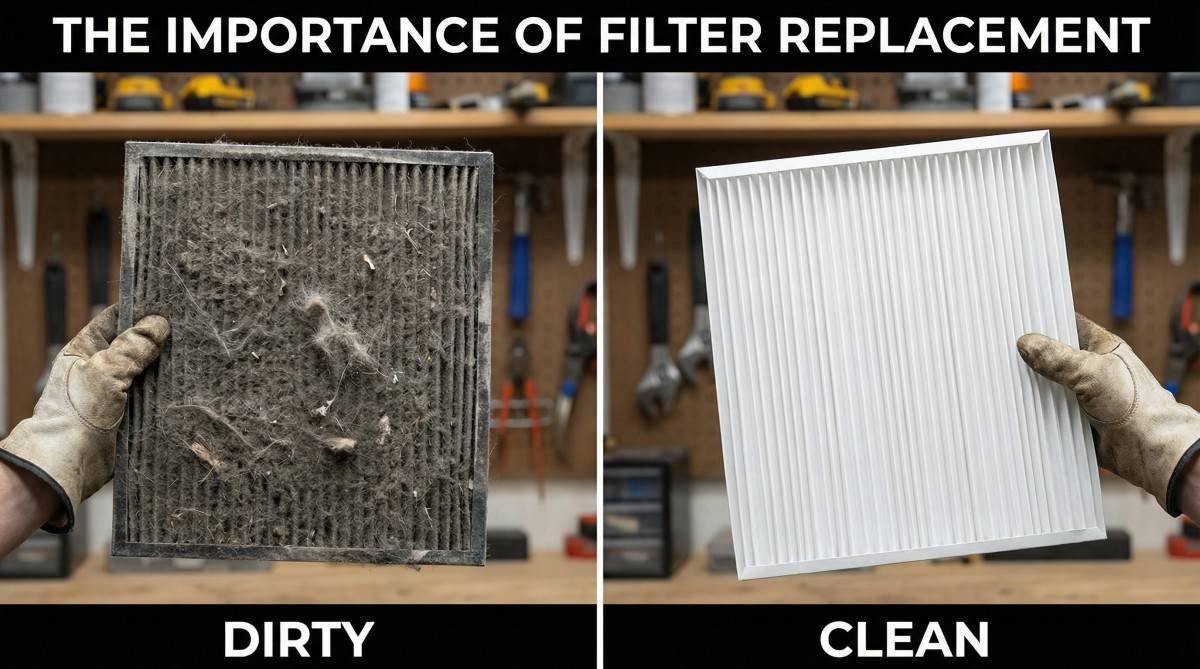
Replacing furnace filters regularly is one of the simplest yet most effective maintenance tasks homeowners can perform to ensure optimal furnace performance and indoor air quality. A clean filter allows for unrestricted airflow, reducing strain on the furnace and preventing the accumulation of dust and debris within the system. This practice not only improves efficiency but also contributes to a healthier living environment by trapping airborne particles.
Annual Professional Inspections
Scheduling annual professional furnace inspections is crucial for identifying potential issues that may not be apparent to the average homeowner. Certified HVAC technicians can perform thorough checks of all components, including electrical connections, gas lines, and the heat exchanger, ensuring safe and efficient operation. These inspections often uncover minor problems that, if left unaddressed, could lead to costly repairs or even system failure.
Cleaning and Lubrication
Keeping the furnace components clean and properly lubricated is vital for smooth operation and preventing premature wear. Dust and grime can accumulate on the blower motor and fan blades, reducing efficiency and potentially causing overheating. Lubricating moving parts, suchs as motor bearings, reduces friction and extends their operational life. Regular cleaning and lubrication contribute significantly to the furnace’s overall health and performance.
Thermostat
Proper thermostat calibration and regular testing ensure accurate temperature readings and efficient furnace cycling, directly impacting energy consumption and home comfort. A miscalibrated thermostat can lead to the furnace running unnecessarily or failing to heat the home adequately, resulting in wasted energy. Testing its functionality and ensuring it communicates correctly with the furnace is a key maintenance step.
| Maintenance Task | Frequency | Benefits | Potential Issues if Neglected |
|---|---|---|---|
| Filter Replacement | Monthly (peak season), Every 1-3 months (general) | Improved airflow, better air quality, reduced energy consumption | Reduced efficiency, system strain, premature breakdown |
| Professional Inspection | Annually (ideally before heating season) | Early detection of issues, safety checks, extended lifespan | Costly repairs, safety hazards (e.g., carbon monoxide leaks), system failure |
| Cleaning & Lubrication | Annually (during professional inspection) | Smooth operation, reduced wear and tear, increased efficiency | Overheating, component failure, increased energy use |
| Thermostat Check | Seasonally | Accurate temperature control, efficient cycling, energy savings | Inaccurate heating, wasted energy, discomfort |
When to Call a Professional for Furnace Repair
Determining when to contact a professional for furnace repair is crucial for safety and preventing further damage to the heating system, especially when dealing with complex or potentially hazardous issues. While many minor problems can be resolved with DIY troubleshooting, certain indicators necessitate expert intervention to ensure proper diagnosis and repair. Recognizing these signs can save homeowners from escalating problems and ensure their furnace operates safely and efficiently.
Gas Leaks or Carbon Monoxide Concerns
Any suspicion of a gas leak, often indicated by a distinct rotten egg smell, or the activation of a carbon monoxide detector, demands immediate professional attention. Gas leaks pose severe health and safety risks, including explosions and carbon monoxide poisoning. In such situations, it is imperative to evacuate the premises, contact the gas company, and then an HVAC professional for emergency assessment and repair. Attempting to fix these issues without proper training and equipment is extremely dangerous.
Persistent Malfunctions After Troubleshooting
If a furnace continues to malfunction despite basic troubleshooting steps, it is advisable to call a professional. Issues such as a furnace failing to ignite, repeatedly short cycling, or consistently producing insufficient heat after checking common culprits like filters and thermostats, often point to more complex underlying problems. These could involve intricate electrical components, burner issues, or heat exchanger cracks that require specialized diagnostic tools and expertise.
Complex Component Failures
Problems involving major furnace components like the heat exchanger, blower motor, or control board typically require professional repair or replacement. A cracked heat exchanger, for instance, can leak carbon monoxide into the home and must be addressed by a certified technician. Similarly, issues with the blower motor or the electronic control board are often beyond the scope of DIY repairs due to their complexity and the need for specific technical knowledge and tools. Professionals ensure these critical parts are handled correctly.
Unusual Odors or Visible Damage
Beyond the smell of gas, other unusual odors, such as burning plastic or electrical smells, or visible signs of damage like rust, water leaks, or corrosion around the furnace, warrant a professional inspection. These symptoms can indicate serious problems, including electrical shorts, water damage, or structural integrity issues that could compromise the furnace’s safety and efficiency. Early detection by a professional can prevent further deterioration and more extensive repairs.
| Indicator | Action Required | Reason |
|---|---|---|
| Rotten egg smell / CO alarm | Evacuate, call gas company & HVAC pro | Immediate safety hazard (gas leak, CO poisoning) |
| Persistent no heat/short cycling | Call HVAC professional | Indicates complex underlying issues beyond basic troubleshooting |
| Visible cracks/rust/leaks | Call HVAC professional | Potential carbon monoxide leak, water damage, structural integrity issues |
| Electrical burning smell | Turn off furnace, call HVAC professional | Risk of electrical fire or component damage |
| Furnace is old (15+ years) | Consider professional assessment for replacement | Older units are less efficient and prone to frequent breakdowns |
Understanding Furnace Components and Their Functions
Familiarity with the primary components of a furnace and their respective functions empowers homeowners to better understand their heating system, facilitating more effective troubleshooting and communication with HVAC professionals. Each part plays a critical role in the overall operation, from igniting fuel to distributing warm air throughout the home. A basic grasp of these elements is foundational for maintaining furnace health and efficiency.
Thermostat
The thermostat acts as the control center for the entire heating system, sensing the ambient temperature and signaling the furnace to turn on or off to maintain the desired indoor climate. Modern thermostats offer programmable features, allowing homeowners to set temperature schedules for energy efficiency. Proper placement and calibration are crucial for accurate temperature regulation and optimal furnace performance.
Burner Assembly
The burner assembly is where the fuel (natural gas or propane) is ignited, creating a flame that heats the heat exchanger. It consists of multiple burners, an igniter (either a pilot light or an electronic ignition system), and a flame sensor. The igniter initiates combustion, and the flame sensor ensures that a flame is present before allowing gas to continue flowing, a critical safety feature.
Heat Exchanger
The heat exchanger is a crucial component responsible for transferring heat from the combustion gases to the air circulating through the home, without mixing the two. It is a series of metal chambers or tubes that hot gases pass through, warming the air that flows around them. A cracked heat exchanger is a serious safety hazard as it can allow dangerous carbon monoxide to enter the living space.
Blower Motor and Fan
The blower motor powers the fan, which is responsible for circulating air throughout the ductwork of the home. Once the air is heated by the heat exchanger, the blower fan pushes this warm air into the supply ducts and draws cooler air back through the return ducts. The efficiency of the blower motor and the cleanliness of the fan blades directly impact airflow and heating effectiveness.
Flue or Vent System
The flue or vent system is designed to safely expel combustion byproducts, suchs as carbon monoxide and water vapor, to the outdoors. It typically consists of a series of pipes that connect the furnace to a chimney or a dedicated vent pipe. Proper installation and maintenance of the flue system are essential to prevent the accumulation of hazardous gases within the home and ensure efficient operation.
| Component | Function | Importance |
|---|---|---|
| Thermostat | Controls furnace operation by sensing temperature and sending signals. | Ensures accurate temperature regulation and energy efficiency. |
| Burner Assembly | Ignites fuel to create heat for the heat exchanger. | Initiates the heating process safely and efficiently. |
| Heat Exchanger | Transfers heat from combustion gases to circulating air without mixing. | Prevents dangerous carbon monoxide from entering living spaces. |
| Blower Motor and Fan | Circulates heated air throughout the home’s ductwork. | Ensures even heat distribution and system efficiency. |
| Flue or Vent System | Expels combustion byproducts safely to the outdoors. | Prevents accumulation of hazardous gases like carbon monoxide. |
Frequently Asked Questions About Furnace Repair
How often should I change my furnace filter?
Furnace filters should typically be changed every 1 to 3 months, depending on factors like pet ownership, allergies, and the overall air quality in your home. Regular replacement ensures optimal airflow, maintains heating efficiency, and improves indoor air quality by trapping dust and allergens.
What is short cycling, and why is it bad?
Short cycling occurs when a furnace turns on and off frequently, completing heating cycles too quickly. This is detrimental because it increases wear and tear on components, reduces energy efficiency, and can lead to inconsistent heating throughout your home. Common causes include clogged filters, an oversized furnace, or thermostat issues.
Can I repair a cracked heat exchanger myself?
No, a cracked heat exchanger is a serious safety hazard that should only be addressed by a certified HVAC professional. A cracked heat exchanger can leak carbon monoxide, a colorless and odorless gas, into your home, posing a significant risk of poisoning. Immediate professional inspection and repair or replacement are essential for safety.
How long do furnace repairs typically take?
The duration of furnace repairs varies depending on the complexity of the issue. Minor repairs, such as replacing a filter or relighting a pilot light, can take minutes. More involved repairs, like replacing a blower motor or a control board, might take a few hours. Extensive issues or parts ordering could extend the repair time.
Is annual furnace maintenance really necessary?
Yes, annual furnace maintenance is highly recommended. It helps ensure your system operates safely and efficiently, extends its lifespan, and can prevent unexpected breakdowns. During maintenance, a professional technician cleans components, checks for wear and tear, and identifies potential issues before they become major problems, ultimately saving you money on energy bills and costly repairs.
Conclusion
Maintaining a functional furnace is vital for home comfort and safety, particularly during colder seasons. By understanding common problems, performing regular preventative maintenance, and knowing when to seek professional help, homeowners can significantly extend their furnace’s lifespan and ensure efficient operation. Proactive care not only prevents costly emergency repairs but also contributes to a healthier indoor environment and reduced energy consumption, ensuring a warm and secure home year-round.

Most Viewed