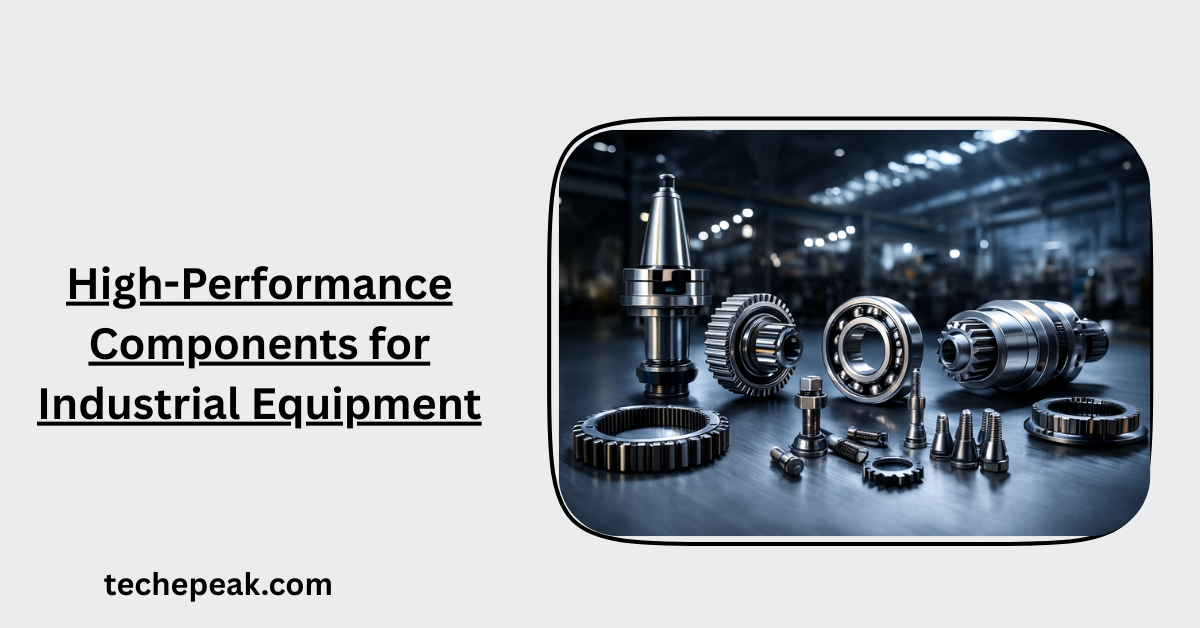

In any complex piece of industrial machinery, from towering cranes to intricate manufacturing lines, the smallest parts often play the biggest roles. While large gears and powerful motors get most of the attention, it’s the high-performance components working behind the scenes that ensure everything runs smoothly, safely, and efficiently. These parts are the unseen heroes, preventing leaks, reducing friction, and withstanding extreme conditions to keep operations moving.
This post will explore the critical importance of these specialized components. We will examine what makes them “high-performance” and discuss how selecting the right ones can significantly impact the reliability and lifespan of your equipment. Understanding the function of these essential parts is key to preventing costly downtime and maximizing productivity.
Table of Contents
ToggleWhat Defines a High-Performance Component?
Not all machine parts are created equal. High-performance components are specifically engineered to excel in demanding industrial environments where standard parts would quickly fail. They are distinguished by three primary characteristics: material superiority, precision engineering, and rigorous testing.
Superior Materials
The foundation of any high-performance component is the material it’s made from. These materials are chosen for their ability to resist extreme temperatures, corrosive chemicals, and high pressures. For example, specialized elastomers and polymers are used to create seals that can maintain their integrity in chemically aggressive settings. Similarly, advanced metal alloys are selected for bearings and gears that need to endure constant friction and heavy loads without deforming or wearing out. The right material ensures durability and longevity, even under the most punishing conditions.
Precision Engineering
Beyond the raw materials, the design and manufacturing process are what truly elevate a component to high-performance status. These parts are crafted with incredibly tight tolerances, meaning there is very little room for error in their dimensions. This precision is vital for creating perfect seals, ensuring smooth movement between parts, and preventing vibrations that could lead to mechanical failure. Advanced manufacturing techniques, such as computer numerical control (CNC) machining, allow for the creation of complex geometries that optimize performance and fit seamlessly into larger assemblies.
Rigorous Testing
Before a component can be certified as high-performance, it must undergo a battery of tests that simulate the harshest conditions it will face in the field. This can include subjecting the part to extreme temperature cycles, high-pressure bursts, and prolonged exposure to corrosive substances. This validation process ensures that each component meets or exceeds industry standards for safety and reliability. For parts like gaskets and o rings, this testing is crucial to guarantee they will prevent leaks that could lead to equipment damage or environmental hazards.
Key Types of High-Performance Components
While countless specialized parts exist, a few categories are fundamental to the operation of nearly all industrial equipment.
Sealing Solutions
Seals are essential for containing fluids, preventing contamination, and maintaining pressure within a system. High-performance seals, such as mechanical seals and custom-molded gaskets, are designed to provide a leak-proof barrier in dynamic and static applications. They are made from materials that resist chemical degradation and can flex without failing, ensuring that lubricants stay in and contaminants stay out.
Bearings and Bushings
Bearings and bushings are critical for reducing friction between moving parts. High-performance versions are engineered to handle high speeds and heavy loads with minimal wear and tear. They are often made from self-lubricating materials or advanced composites that can operate in high-temperature environments where traditional lubricants would break down. The result is smoother, more efficient operation and a longer service life for the machinery.
Fasteners and Connectors
Even the bolts, screws, and connectors that hold machinery together can be considered high-performance components. In industrial settings, these parts must resist vibration, corrosion, and extreme tensile stress. Specialized alloys and coatings are used to ensure that these fasteners maintain their clamping force over time, preventing loosening that could lead to catastrophic failure.
Your Foundation for Operational Excellence
Investing in high-performance components is not just about upgrading parts; it’s about strengthening the foundation of your entire operation. By choosing components engineered for durability and precision, you reduce the risk of unexpected breakdowns, extend the life of your valuable equipment, and create a safer working environment. While they may be small, their impact on efficiency, reliability, and your bottom line is immense. Making informed decisions about these critical parts is one of the smartest investments you can make for long-term success.
Most Viewed