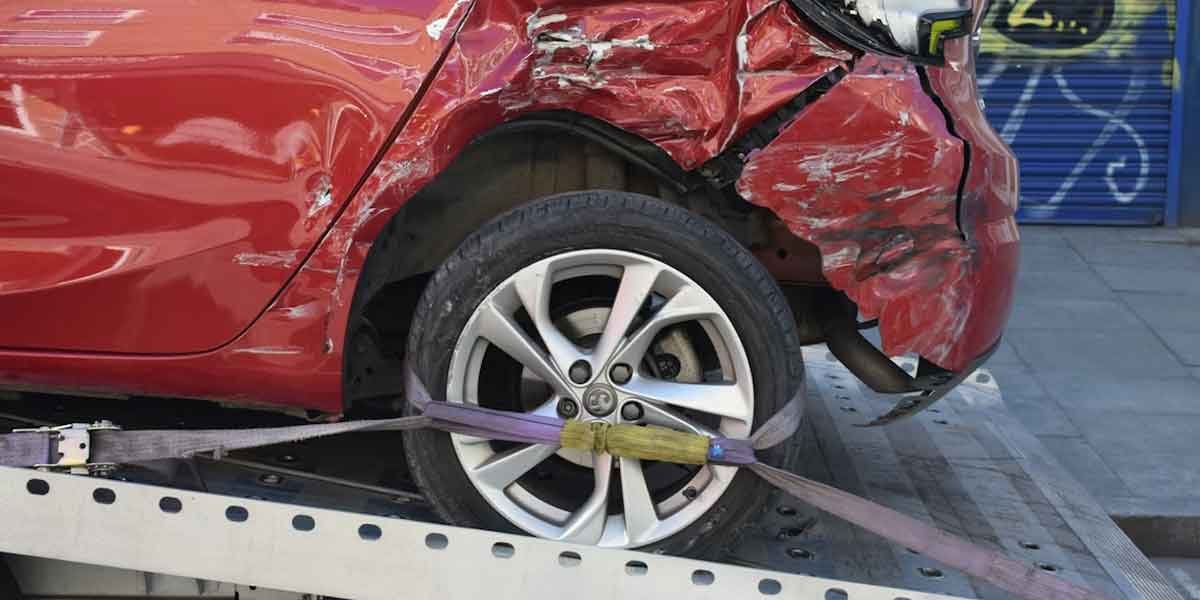

Investigating a complex vehicle accident case in California requires a detailed, methodical approach grounded in legal standards, factual evaluation, and extensive documentation. Attorneys must interpret police findings, reconstruct the sequence of events, and gather evidence that clarifies liability. California’s at fault system and extensive reporting requirements influence the investigation process, shaping how legal teams build strong claims for their clients. The following sections outline the principal tools and methods attorneys use to examine complex collision cases throughout the state.
Table of Contents
ToggleReviewing Official Collision Reports and Understanding Their Role
One of the first steps in any investigation is analyzing the official traffic collision report. In California, these reports are typically completed by the California Highway Patrol or local law enforcement agencies, depending on where the collision occurred. They include officer observations, witness statements, diagrams, and sometimes preliminary assessments of fault. Attorneys rely on these reports to establish a factual baseline of the incident, although they also understand that the document may contain both objective findings and subjective interpretations.
A highway patrol accident report in California is often central to this process because it captures information ranging from vehicle damage to roadway conditions and driver behavior. The report format is standardized as the CHP 555 form, supported by statewide collision documentation policies that ensure consistent reporting practices across jurisdictions. This consistency helps attorneys compare data, identify patterns, and corroborate witness or client statements using uniform investigative criteria.
Utilizing Specialized Investigation Units and Technical Expertise
California offers access to specialized investigative resources that attorneys often incorporate into complex cases. The California Highway Patrol’s Collision Investigation Unit and its Multidisciplinary Accident Investigation Teams provide advanced insight into the underlying causes of vehicle collisions. These units review technical elements such as speed calculations, roadway design factors, vehicle dynamics, and environmental conditions.
Their collaboration with accident reconstruction experts allows attorneys to analyze highly technical details that may not appear in the standard accident report. Reconstructionists interpret skid marks, debris fields, impact points, and vehicle deformation patterns to recreate the sequence of events. Their findings contribute to a deeper understanding of fault, especially when collisions involve multiple vehicles, ambiguous witness accounts, or disputed circumstances.
Gathering and Cross Examining Witness and Driver Statements
Attorneys also examine statements from drivers, passengers, and bystanders to understand what occurred before, during, and after the collision. California collision investigation guidelines emphasize that witness testimony does not require having seen the moment of impact. Observing distracted behavior, impairment, or unsafe driving beforehand can be equally valuable. Attorneys cross reference these accounts with physical evidence to identify inconsistencies or reinforce specific elements of the case.
Because emotional responses at the scene can lead to inaccurate or compromising statements, attorneys carefully evaluate the wording and context of comments recorded in the police report. For example, simple expressions of shock or confusion may be misinterpreted as admissions of fault. Reviewing these statements in context helps attorneys avoid mischaracterizations and ensure that the factual record reflects what actually happened rather than assumptions drawn during a stressful moment.
Collecting Supplemental Evidence Beyond Police Documentation
While official reports provide foundational information, attorneys usually conduct independent evidence collection to strengthen the case. This step may include obtaining medical records, vehicle repair estimates, dashcam footage, and digital data from modern vehicles equipped with event data recorders. Additional physical evidence, such as roadway measurements or photographs taken by the client, can offer clarity beyond what a responding officer could capture.
Attorneys may also request additional traffic collision data through the statewide reporting system, which aggregates collision information for analysis of broader safety factors. These supplemental data resources help build a more comprehensive picture of the environment and conditions surrounding the crash. They are especially useful when attorneys need to demonstrate patterns of recurring hazards or identify external contributors such as road design flaws.
Establishing Fault and Preparing for Litigation or Settlement
Once evidence is assembled, attorneys evaluate how California’s fault laws apply to the facts of the case. Because the state does not follow a no fault model, determining liability is essential to recovering damages. In cases involving multiple responsible parties, attorneys assign proportional responsibility and prepare arguments that reflect distinct contributions to the collision. These evaluations follow established legal principles governing negligence and allow attorneys to pursue compensation aligned with each party’s degree of fault.
If settlement negotiations fail, attorneys present their findings in court using expert testimony, accident reconstruction models, and factual documentation to support their argument. Whether resolving the case through litigation or pretrial negotiation, the attorney’s ability to organize and interpret evidence directly impacts the final outcome.
Conclusion
Attorneys investigating complex vehicle accident cases in California rely on a structured approach that includes reviewing official collision reports, consulting specialized investigative teams, gathering supplemental evidence, and applying the state’s detailed fault standards. Through careful analysis and collaboration with technical experts, they build comprehensive cases that clarify liability and protect the rights of injured clients. This thorough investigative process ensures that every relevant factor is considered when seeking a fair and accurate resolution.

Chase Durkish
Most Viewed