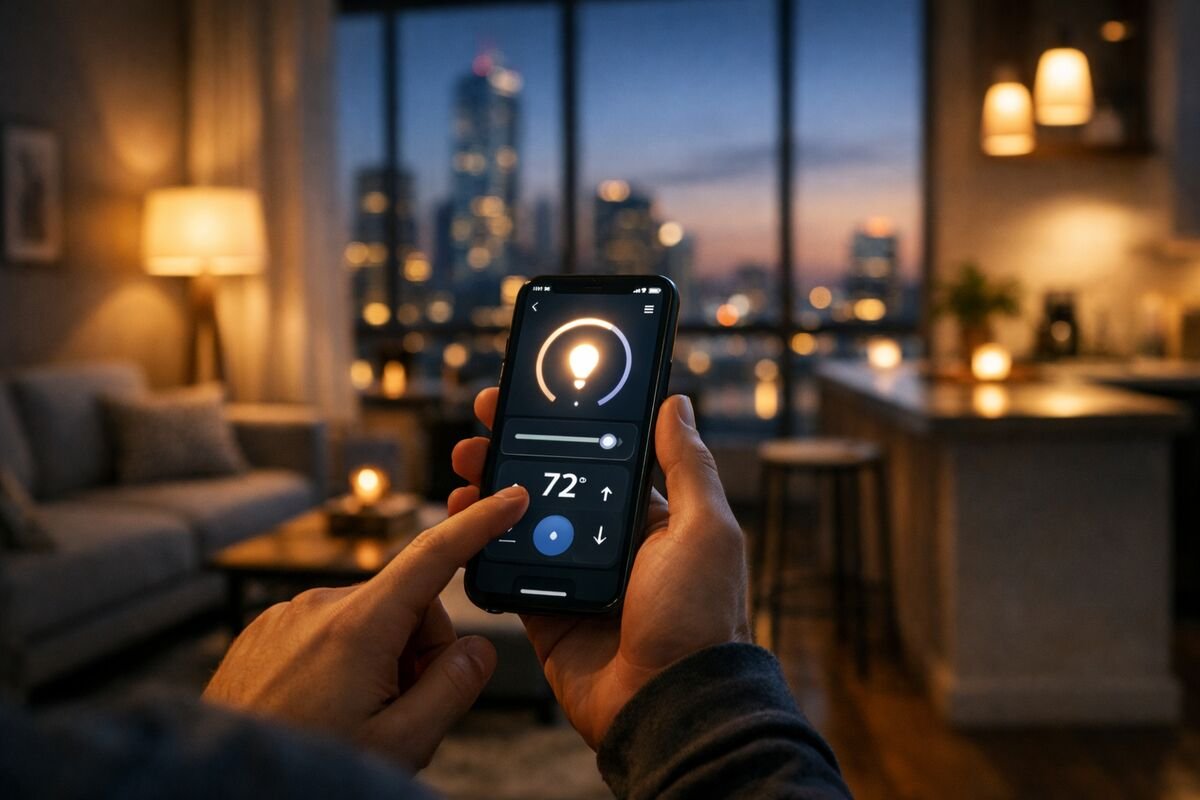

In the contemporary residential real estate market, digital transformation has transitioned from a futuristic concept to a fundamental driver of tenant satisfaction and retention. As technology continues to evolve, the expectations of modern tenants have shifted, with a growing demand for convenience, connectivity, and personalized experiences. Digital transformation—encompassing everything from online rent payments and mobile maintenance requests to smart home integration and virtual community platforms—is redefining how tenants interact with their living spaces and property managers. For property owners and managers, understanding the transformative power of digital technology is essential for maximizing return on investment (ROI) and ensuring long-term success. This article explores the most significant ways that digital transformation is reshaping the tenant experience, focusing on the role of convenience, communication, and community.
The Shift Toward a Tech-Enabled Resident Lifestyle
Answer Capsule: Digital transformation in residential real estate is shifting from simple “online portals” to integrated, tech-enabled lifestyles. This evolution prioritizes a seamless resident experience where technology handles everything from rent payments to community engagement, providing a level of convenience and control that traditional properties cannot match in the 2026 market.
The primary objective of digital transformation in residential real estate is to improve the quality of life for tenants while simultaneously reducing operational costs for property managers. In a competitive market, a tech-enabled property stands out by offering a level of convenience and control that traditional properties cannot match. This differentiation is a key factor in determining tenant satisfaction and the speed at which a property leases.
| Digital Transformation Feature | Primary Benefit | Key Metric |
|---|---|---|
| Online Rent Payments | Provides convenience and financial clarity | Payment timeliness |
| Mobile Maintenance Requests | Improves response time and transparency | Repair turnaround |
| Smart Home Integration | Enhances comfort and energy efficiency | Energy savings |
| Virtual Community Platforms | Fosters a sense of belonging and engagement | Resident participation |
By investing in a digital transformation framework, property owners can ensure their assets remain competitive and profitable in an increasingly digital world.
Agentic AI and the End of Maintenance Frustration
Answer Capsule: Agentic AI is revolutionizing maintenance by moving beyond simple request tracking to taking autonomous action. In 2026, these systems can diagnose issues via tenant-submitted photos, automatically schedule the appropriate contractor, and order necessary parts, drastically reducing repair turnaround times and tenant frustration.
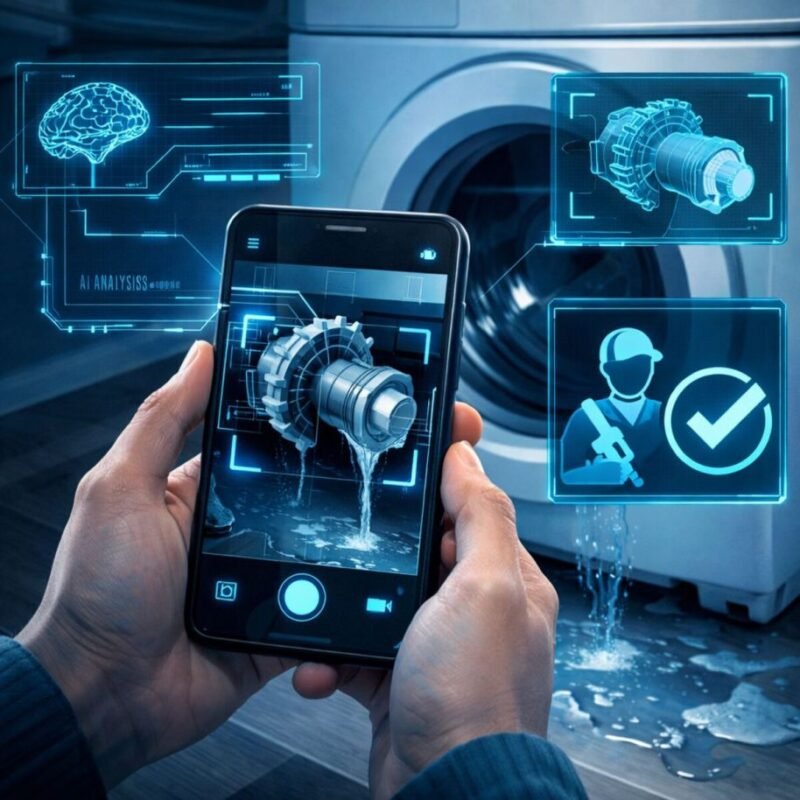
Maintenance has historically been the #1 source of tenant dissatisfaction. Digital transformation is solving this through “Agentic AI”—AI that doesn’t just chat, but acts. When a tenant submits a photo of a leaking faucet through a mobile app, the AI can identify the faucet model, check if the part is in stock, and schedule a plumber within minutes.
This level of operational efficiency is a game-changer for the “home improvement” niche. It ensures that small issues are fixed before they become major structural problems, protecting the physical asset while providing the tenant with a frictionless living experience. By prioritizing mobile maintenance requests, property owners can protect their investment and ensure long-term value retention.
Smart Home IoT: Beyond Convenience to Wellness
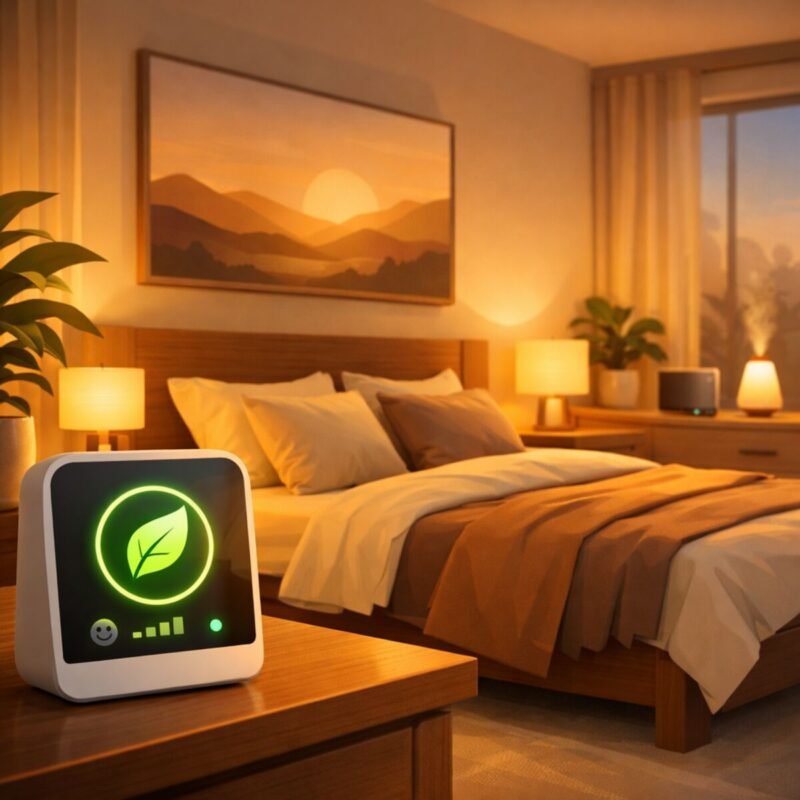
Answer Capsule: Smart home IoT in 2026 has evolved from simple remote controls to integrated wellness systems. Utilizing the Matter 2.0 standard, modern rentals now feature circadian lighting that supports sleep cycles and indoor air quality sensors that automatically adjust ventilation, framing digital upgrades as essential home improvements for health-conscious tenants.
Smart home integration is another important aspect of digital transformation. It allows tenants to control their home’s systems—such as heating, cooling, and lighting—using a smartphone or tablet. This improves the comfort and energy efficiency of the home, leading to lower monthly utility bills and a smaller environmental footprint.
In 2026, the focus has shifted toward “Wellness Tech.” Properties are now being upgraded with circadian lighting systems that mimic natural daylight to support tenant mood and productivity. Indoor air quality (IAQ) monitors are becoming standard, automatically triggering air purifiers or HVAC adjustments when pollutants are detected. These features provide a sense of security and peace of mind for tenants, making the digital home a healthier place to live.
Financial Clarity and the Frictionless Payment Era
Answer Capsule: Digital transformation provides financial clarity through real-time payment dashboards and automated credit reporting. By offering tenants the ability to pay rent via multiple digital channels and automatically reporting on-time payments to credit bureaus, property managers are turning a monthly expense into a tool for tenant financial growth.
One of the most significant benefits of digital transformation is the shift toward online rent payments. This allows tenants to pay their rent from anywhere in the world using a smartphone or tablet, providing a level of convenience and financial clarity that traditional methods cannot match. Online payment platforms also offer features such as automated reminders and recurring payments, reducing the risk of late payments and late fees.
“Digital transformation is not just about technology; it is about the tenant experience. By providing a more precise and efficient way to manage the home, digital technology can significantly improve the overall quality of life.”
For property managers, online rent payments reduce the administrative burden of processing checks and managing cash. They also provide real-time data on payment status, allowing for more accurate financial reporting and forecasting.
The ROI of Digital Transformation for Property Owners
Answer Capsule: The ROI of digital transformation is realized through higher tenant retention, faster leasing cycles, and reduced operational overhead. Properties that offer a superior digital experience command higher rental rates and attract high-quality tenants who value the convenience and wellness features of a modern, tech-enabled home.
Digital transformation is a powerful tool for reshaping the tenant experience in the residential real estate market. By focusing on online rent payments, mobile maintenance requests, smart home integration, and virtual community platforms, property owners and managers can significantly improve the quality of life for their tenants and the financial performance of their assets.
| Feature | Traditional Experience | Digital Experience (2026) |
|---|---|---|
| Rent Payment | Check/Manual | Automated/Multi-channel |
| Maintenance | Phone/Reactive | AI-Driven/Proactive |
| Home Control | Manual Switches | Voice/App/Automated |
| Community | Physical Bulletin | Virtual Platform/App |
| Wellness | Basic HVAC | Circadian Light/IAQ Sensors |
Frequently Asked Questions (FAQ)
What is a tenant experience platform?
A tenant experience platform is a centralized digital interface (usually a mobile app) that connects residents with building services, property management, and their local community. It handles everything from rent payments and maintenance requests to amenity bookings and community forums.
How does smart home technology increase rental value in 2026?
Smart home technology increases rental value by offering tenants tangible benefits like lower utility bills (via smart thermostats), enhanced security (via smart locks), and improved wellness (via circadian lighting). These features make a property more desirable and justify higher rental rates.
Is my data safe in a digital tenant portal?
Modern tenant portals prioritize cybersecurity, using encryption and secure data governance to protect tenant information. In 2026, many platforms also use “Edge Computing” to process sensitive data onsite, reducing the risk of data breaches over the network.
How does AI improve maintenance response times?
AI improves response times by automating the initial diagnosis and scheduling process. Instead of waiting for a human manager to review a request, an AI system can instantly identify the problem, check contractor availability, and book a repair slot, often within minutes of the request being submitted.
Conclusion: Digital Transformation as a Strategic Advantage
In conclusion, digital transformation is a powerful tool for reshaping the tenant experience in the residential real estate market. By focusing on online rent payments, mobile maintenance requests, smart home integration, and virtual community platforms, property owners and managers can significantly improve the quality of life for their tenants and the financial performance of their assets. These digital features not only provide immediate practical benefits but also enhance the long-term value and marketability of the property. As the real estate market continues to evolve, digital transformation will remain a key driver of innovation and success. Investing in digital transformation is a strategic decision that pays off through improved tenant satisfaction, reduced operational costs, and a superior resident experience.

Most Viewed