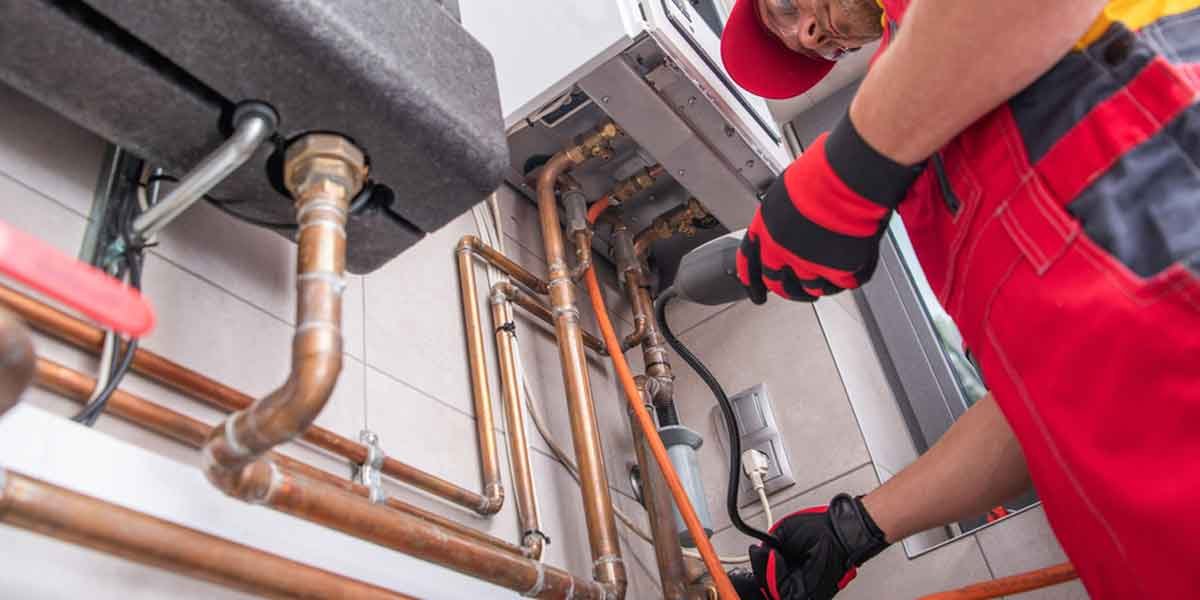

Water damage is one of the most costly and disruptive problems property owners face, often developing quietly before becoming visible. Leaks behind walls, slow pipe corrosion, and minor pressure changes can cause serious structural harm if left unaddressed. Plumbers play a critical role in preventing these issues by identifying early warning signs and addressing them before damage spreads. Their work focuses on observation, testing, and preventive adjustments rather than on reacting solely to emergencies. Understanding how plumbers prevent water damage through early detection underscores the importance of routine inspections and timely intervention in protecting homes, commercial spaces, and long-term property value.
Early Detection Saves Structures
- Recognizing Hidden Leak Indicators
One of the primary ways plumbers prevent water damage is by recognizing subtle indicators of hidden leaks. These signs often include unexplained increases in water bills, faint discoloration on walls or ceilings, or musty odors in enclosed spaces. Plumbers are trained to interpret these clues and trace them back to their source. In many cases, they use pressure-testing or moisture-detection tools to locate leaks without opening walls unnecessarily. Property owners who book a Vancouver plumber often benefit from early evaluations that identify minor issues before they escalate into widespread water damage. Early recognition allows repairs to remain localized, reducing disruption and repair costs.
- Small Signs Matter
Even minor drips or temperature changes around pipes can indicate developing problems. Addressing these signs early limits long-term exposure to moisture and protects surrounding materials from deterioration.
- Pipe Inspections and Material Assessment
Plumbers regularly assess pipe condition as part of early detection efforts. Different materials age at different rates, and some are more prone to corrosion or joint failure. During inspections, plumbers check for thinning walls, rust buildup, or weakened seals. They also evaluate whether pipes are properly supported and insulated, as movement or temperature fluctuations can accelerate wear. By identifying sections nearing the end of their service life, plumbers can recommend replacements or reinforcements before leaks occur. This proactive approach helps maintain system integrity and prevents sudden failures that cause extensive water damage.
- Monitoring Water Pressure Irregularities
Abnormal water pressure is often an early indicator of hidden plumbing issues. Excessive pressure can strain joints and fixtures, while low pressure may suggest leaks or blockages. Plumbers measure pressure levels and assess whether regulators are functioning correctly. If pressure fluctuates unexpectedly, further investigation is performed to locate the cause. Maintaining stable pressure reduces stress on pipes and fittings, lowering the risk of leaks. Through careful monitoring, plumbers prevent minor pressure-related issues from escalating into damage.
- Detecting Moisture in Vulnerable Areas
Certain areas of a building are more vulnerable to moisture accumulation, including basements, crawl spaces, and areas around appliances. Plumbers inspect these locations for signs of dampness, condensation, or pooling water. Early detection in these spaces is crucial, as moisture can spread to structural components and encourage mold growth. By identifying moisture sources early, plumbers can address leaks, improve drainage, or adjust ventilation to reduce ongoing exposure. This targeted attention helps contain problems before they affect larger portions of the structure.
- Evaluating Fixtures and Connections
Fixtures such as faucets, toilets, and appliances are common sources of slow leaks. Plumbers examine connections, seals, and valves to ensure they are tight and functioning properly. Even a minor leak at a fixture can release significant amounts of water over time. Early detection involves testing shutoff valves, checking supply lines, and confirming that fixtures are operating as intended. Addressing these small issues promptly prevents gradual water damage to floors, cabinets, and walls.
- Preventing Damage Through Drain Assessment
Drainage systems play a key role in water management. Blocked or partially obstructed drains can cause backups, leading to water damage. Plumbers inspect drain lines for buildup, improper slopes, or early signs of blockage. By clearing obstructions and correcting alignment issues early, they prevent overflows that can damage surrounding areas. Effective drainage ensures water flows away from the structure as intended, reducing the risk of leaks or backups.
- Using Technology for Early Detection
Modern plumbing detection tools enhance early identification efforts. Plumbers may use cameras to inspect pipes internally or sensors to detect moisture behind walls. These technologies allow for precise diagnosis without invasive procedures. Early detection tools improve accuracy and reduce guesswork, enabling targeted repairs. By leveraging technology, plumbers can efficiently address potential issues and prevent unnecessary damage to finished surfaces.
- Routine Maintenance as a Preventive Strategy
Regular maintenance visits are one of the most effective ways plumbers prevent water damage. Scheduled inspections allow plumbers to track system changes over time and catch gradual deterioration. Maintenance includes tightening connections, testing valves, and flushing systems to remove buildup. This ongoing care helps maintain optimal performance and reduces the likelihood of sudden failures. Preventive maintenance supports early detection by ensuring systems are consistently monitored.
Plumbers prevent water damage through early detection by identifying subtle warning signs, assessing system conditions, and addressing vulnerabilities before they escalate. Their work focuses on proactive evaluation rather than emergency response alone, protecting structures from hidden moisture and long-term deterioration. By monitoring pressure, inspecting pipes, and maintaining fixtures, plumbers help property owners avoid costly repairs and disruption. Early detection is a critical strategy in preserving plumbing systems and safeguarding homes and buildings against water-related damage.

Chase Durkish
Most Viewed