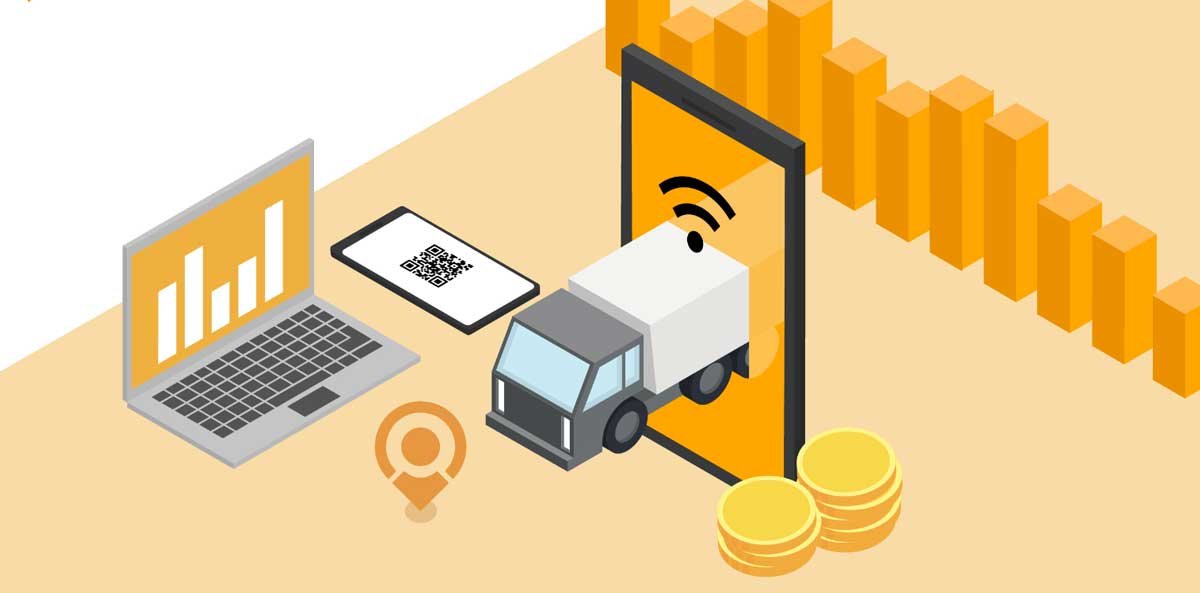

IoT logistics solutions reshape the transportation industry like never before. The global IoT fleet management market reached $7 billion in 2023 and is projected to exceed $20 billion by 2030, growing at an impressive 17% annually. These technologies show their actual effect on daily operations clearly.
Traditional fleet systems combined with IoT technology improve efficiency and cut operational costs. Transportation businesses reach new heights in performance, safety, and budget-friendly operations through these IoT solutions.
Our team at Trafalgar Wireless knows fleet challenges well and helps solve them through connected technologies. These innovative systems keep fleets running smoothly in the ever-changing world.
Table of Contents
ToggleUnderstanding IoT in Fleet Management
Digital connectivity powers fleet management’s faster evolution. Transportation companies are changing how they track and optimize their vehicle operations by using Internet of Things technology.
Definition of IoT In Transportation Fleets
IoT in transportation fleets connects physical devices through the internet to share and collect data. Vehicles use sensors, GPS trackers, and telematics units to track location, performance, and health immediately.
IoT fleet management links vehicles, sensors, and devices to monitor operations, cut costs, and improve results. This technology creates a data-rich environment that changes how transportation businesses work.
The hardware components include:
- Telematics devices and OBD-II connections
- GPS trackers and location sensors
- Diagnostic sensors monitor engine health
- Fuel level and consumption sensors
- Temperature and environmental monitors
These devices collect key details about vehicle status, driver behavior, and route efficiency. The data moves through cellular or satellite networks to central platforms.
How IoT Is Different From Traditional Telematics
IoT and telematics serve unique roles in fleet management, though people often mention them together. Telematics works as one specific tool within IoT’s larger ecosystem.
Traditional telematics tracks and sends immediate vehicle data like location, speed, fuel usage, and performance diagnostics. It uses GPS and simple communication systems to share this information. IoT creates a complete ecosystem that blends telematics with other data sources.
The key differences include:
IoT includes telematics plus a network of diverse sensors and devices that enable better data collection, advanced analytics, and automation. IoT systems connect multiple data streams through cloud platforms. Your fleet’s “nervous system” uses sensors as nerves to send signals, while software works as the brain that responds right away.
IoT brings your entire fleet online. You can make decisions based on real data instead of guessing.
Role Of Cloud Platforms In IoT Fleet Management
Cloud platforms are the foundations of reliable IoT fleet management systems. These platforms handle several key tasks in the IoT ecosystem.
IoT platforms use software to register, set up, and manage connected devices. They store data and manage device lifecycles. Fleet operations get dashboards and APIs to check vehicle health, improve routes, and work with other business systems.
The cloud infrastructure handles four essential processes:
- Data collection from sensors and GPS devices is gathering information immediately
- Data transfer using the internet or mobile networks
- Data analysis to spot patterns, predict maintenance needs, and flag issues
- Action and alerts enabling quick responses, like rerouting vehicles or scheduling repairs
Modern cloud platforms turn raw data into useful information through dashboards, natural language search, and exception alerts. Advanced systems use artificial intelligence to interpret data and flag unusual patterns automatically. Fleet management now goes beyond simple monitoring.
Fleet managers can cut repair costs and prevent unexpected downtime by scheduling maintenance when they find potential problems early. This ability to predict issues is one of cloud-based IoT fleet management’s most valuable benefits.
Core Components of IoT Fleet Systems
Modern fleet operations rely on interconnected hardware and software elements that work together seamlessly. IoT technology in transportation fleets needs four key components that collect, transmit, and analyze data to make operations better.
Telematics Devices And Onboard Diagnostics (OBD-II)
Telematics devices act as data collection hubs within IoT fleet systems. These compact yet powerful devices connect directly to a vehicle’s onboard diagnostics (OBD-II) port and create a direct link to the engine’s brain – the powertrain control module (PCM). This connection lets you see extensive vehicle performance data.
Modern telematics units gather an impressive range of information:
- Engine performance metrics and fault codes
- Battery voltage and fluid levels
- Fuel consumption patterns
- Vehicle speed and acceleration
- Idling time and engine runtime
The hardware comes with several vital components: a GPS receiver, engine interface, input/output ports, SIM card, accelerometer, and often a buzzer for alerts. These devices monitor vehicle health and send data through cellular networks to cloud platforms that analyze it.
Fleet managers looking to adopt IoT-based logistics solutions often start with telematics to gain clearer, real-time visibility into their operations. With Trafalgar Wireless, telematics data helps teams track vehicle performance, location, and usage patterns, laying the foundation for smarter decision-making and more efficient fleet management.
GPS Trackers And Geofencing Modules
GPS tracking technology creates the location-awareness layer in IoT fleet systems. Today’s GPS trackers provide position updates every second, which gives you constant visibility through management dashboards. This level of precision helps optimize routes, avoid traffic, and estimate delivery times accurately.
Geofencing takes GPS capabilities further by creating virtual boundaries around specific areas. The system sends automatic alerts when vehicles cross these digital borders.
This feature helps you:
- Detect unauthorized vehicle movement
- Monitor delivery routes and schedule adherence
- Track arrival and departure times at customer locations
- Limit vehicle use to approved areas only
Fleet management systems use three main types of GPS tracking devices:
- Hardwired trackers are permanently installed with direct battery connections
- OBD devices that plug into diagnostic ports for easy installation
- Portable tracking systems that can move between vehicles as needed
Dashcams And Driver Behavior Sensors
AI-powered dash cameras have become essential safety tools in IoT fleet systems. These devices blend video recording with artificial intelligence to spot and warn drivers about dangerous situations right away.
Today’s dash cam systems pack powerful features:
- Road-facing cameras capture traffic conditions and incidents
- Driver-facing cameras monitor for distraction, fatigue, and unsafe behaviors
- AI algorithms identify risky behaviors like phone usage or smoking
- Immediate in-cab alerts warn drivers about unsafe actions
The advantages go beyond driver coaching. Fleet managers can see HD video footage minutes after incidents occur, which helps clear drivers of false claims. Some systems add extended view cameras that show blind spots during backing up or tight maneuvers.
Mobile Apps And Fleet Management Software
Software ties everything together as the final component. Mobile applications and fleet management platforms turn raw data into useful information you can access anywhere.
Fleet management apps let you:
- Track vehicles in real-time with location updates
- Optimize routes based on traffic conditions
- Monitor driver performance with safety scores
- Replace paper-based processes with digital documentation
Drivers use mobile apps to get turn-by-turn navigation, receive alerts about vehicle issues, and communicate easily with dispatchers. Fleet managers see detailed dashboards showing vehicle health, driver behavior, maintenance schedules, and compliance status.
Mobile apps have evolved from optional tools to crucial operational components. Over the last several years, operations became a social-first approach to efficiency, reliability, and immediate visibility – needs that mobile apps satisfy perfectly.
The best systems combine all four components – telematics, GPS, cameras, and software – into one platform. This integration gives you a complete view of fleet operations that separate technologies cannot match.
Conclusion
IoT technology has changed how transportation fleets work in today’s competitive market. This piece shows how connected systems give fleet managers complete control over their operations. These solutions help companies improve their efficiency, safety, and profits dramatically.
A digital nervous system emerges when telematics devices, GPS tracking, and smart sensors work together. Up-to-the-minute data analysis helps predict when vehicles need maintenance before they break down.
This saves thousands in repair costs and stops unexpected downtime. The system’s driver behavior analytics create clear paths to better safety through tailored coaching and quick feedback.

Shaker Hammam
The TechePeak editorial team shares the latest tech news, reviews, comparisons, and online deals, along with business, entertainment, and finance news. We help readers stay updated with easy to understand content and timely information. Contact us: Techepeak@wesanti.com
More PostsMost Viewed