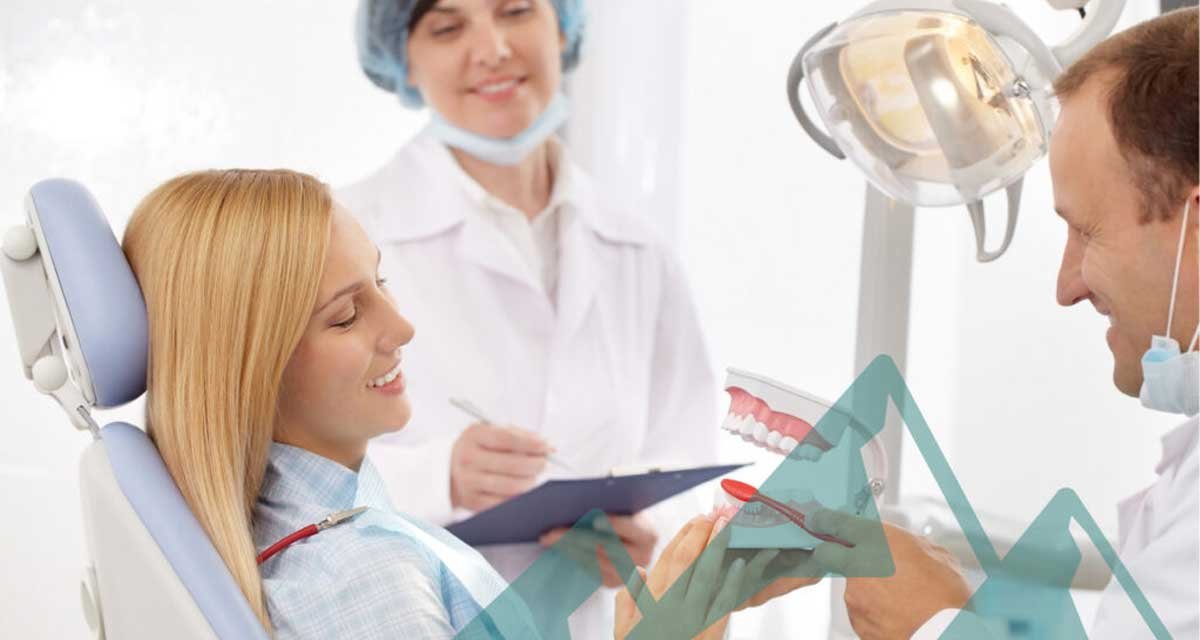

Good oral hygiene is the cornerstone of overall wellness, often serving as the first line of defense against a cascade of health concerns. Engaging in preventive dental care goes far beyond keeping teeth white—it helps avoid severe dental problems, protects against systemic diseases, and fosters long-term well-being. For individuals and families seeking to proactively safeguard their oral health, Delta Dental insurance plans provide convenient access to regular check-ups and essential preventive treatments.
Many people underestimate the wide-reaching impact of oral health, but science increasingly affirms that keeping teeth and gums healthy is crucial for the entire body. Preventive dental care not only catches potential issues early but can also reduce healthcare costs and prevent complications affecting the heart, blood sugar, and even pregnancy outcomes.
Recognizing the benefits of preventive dental care and understanding the tools and expertise available in modern dentistry empowers individuals to make informed decisions about their oral health. This comprehensive approach means fewer emergencies, fewer costly procedures, and ultimately, a healthier, more confident you.
Technological innovations and dental hygienists’ expertise are transforming the patient experience, while simple at-home practices remain fundamental to preventing disease.
Table of Contents
ToggleUnderstanding Preventive Dental Care
Preventive dental care refers to actions and treatments designed to maintain oral health and avoid the development of dental diseases. This includes regular dental check-ups—where early signs of problems can be observed and treated promptly—routine cleanings to remove plaque and tartar, fluoride treatments to strengthen enamel, and consistent patient education focused on daily oral care. Preventive care not only minimizes the risk of severe dental work, such as root canals or extractions, but also encourages a proactive approach to general health.
The Link Between Oral Health and Systemic Health
Oral health is intrinsically linked with overall health. Gum disease, for example, has been connected to inflammatory conditions such as heart disease and diabetes. According to the Centers for Disease Control and Prevention (CDC), untreated dental caries and periodontal infections can worsen chronic illnesses, impact blood sugar control, and even increase risks during pregnancy. The mouth acts as both a gateway and a mirror to the rest of the body; subtle changes in oral health often signal emerging health conditions elsewhere.
Economic Benefits of Preventive Care
Preventive dentistry delivers value not just for your health but also for your wallet. Routine dental visits and professional cleanings are far less expensive than treating advanced tooth decay, gum disease, or unexpected dental emergencies. As highlighted by WebMD, regular dental checkups, often recommended every six months, allow dentists to catch problems early, when they are easier and more affordable to treat. Insurance data reflects this shift, showing that more adults are prioritizing preventive visits to avoid sudden, high dental bills. Over time, patients who stay consistent with recommended preventive care typically face significantly lower long-term out-of-pocket expenses while maintaining better overall oral health.
Technological Advancements in Dental Care
Modern dentistry increasingly relies on cutting-edge technologies to enhance the precision and effectiveness of preventive and restorative care. AI-driven diagnostic tools, for instance, enable dentists to detect cavities, gum disease, and other oral health issues much earlier than traditional visual examinations or manual methods, allowing for timely intervention and reduced risk of complications. Digital X-rays have revolutionized imaging by providing highly detailed views of teeth, bone structures, and soft tissues while exposing patients to significantly lower radiation levels than conventional film-based X-rays.
In addition, 3D printing technology has transformed the production of dental prosthetics, crowns, bridges, and orthodontic appliances. This innovation not only accelerates turnaround times but also lowers costs and allows for solutions designed for each patient’s unique anatomy. Intraoral scanners further improve the patient experience by eliminating the discomfort associated with traditional molds and producing precise digital impressions in a fraction of the time.
Together, these advancements create a dental care environment that is more patient-friendly, efficient, and effective. Patients benefit not only from enhanced comfort during procedures but also from improved diagnostic accuracy, faster treatment timelines, and better long-term oral health outcomes. As technology continues to evolve, modern dentistry is increasingly focused on proactive care, emphasizing early detection and minimally invasive treatments.
The Growing Role of Dental Hygienists
Dental hygienists are essential partners in preventive oral care. They perform cleanings, screen for early disease, and most importantly, educate patients on the vital mouth-body connection. As advocates for patient health, hygienists also guide patients through hygiene strategies and answer questions about nutrition and effective brushing techniques. Their expertise in identifying the earliest signs of periodontal disease empowers patients to address problems early, contributing to long-term health.
Practical Tips for Maintaining Oral Health
- Brush your teeth at least twice a day with fluoride toothpaste to remove bacteria and prevent cavities.
- Floss every day to remove plaque and food particles from areas unreachable by toothbrushes.
- Reduce intake of sugary foods and drinks; sugar feeds the bacteria that cause tooth decay and gum disease.
- See your dentist for regular professional cleanings and exams; early detection is key in preventing more serious problems.
- Use an antibacterial mouthwash as an extra line of defense to help control bacterial growth.
Conclusion
Making preventive dental care a priority is one of the smartest investments in long-term health. With routine attention, education, and the support of modern dental advancements, individuals can not only avoid the discomfort and cost of major dental issues but also protect their whole-body health. Consistent oral care—at home and in the dentist’s chair—sets the foundation for a lifetime of wellness and confidence. Preventive care also helps detect early warning signs of systemic conditions, such as diabetes or heart disease, that often first appear in the mouth. By addressing minor concerns before they progress, patients can reduce the need for invasive treatments and maintain more predictable healthcare expenses. Over time, this proactive approach supports healthier habits, improved self-esteem, and a better overall quality of life.

Chase Durkish
Most Viewed