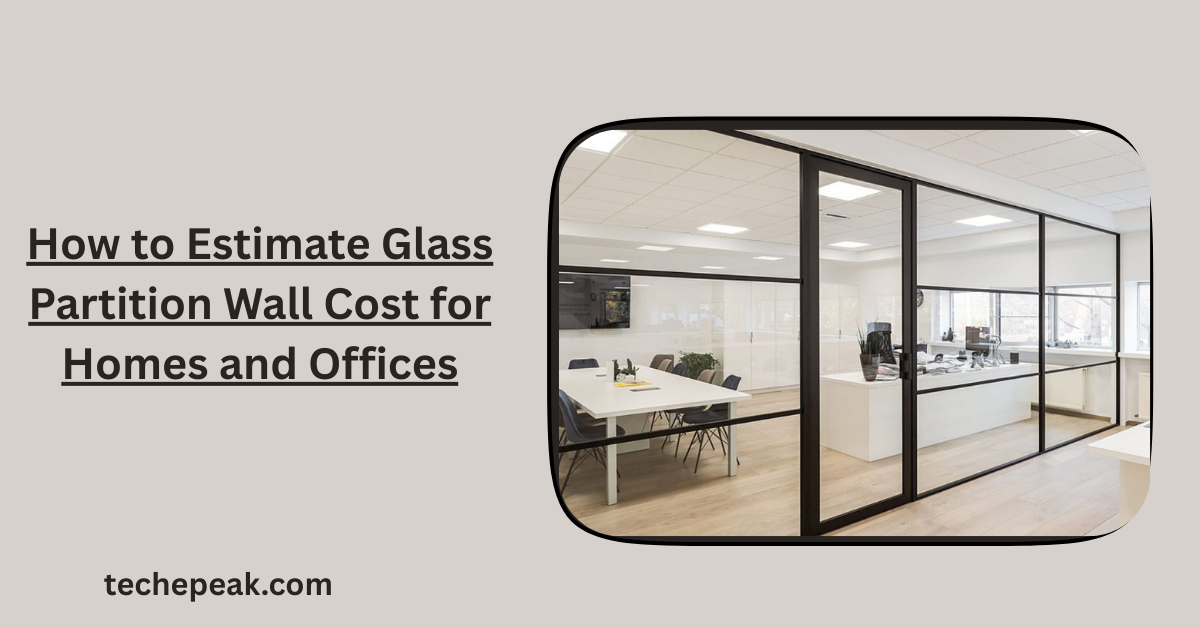

Glass partition walls are a versatile and modern solution for both commercial and residential spaces. They allow natural light to flow, create open yet defined areas, and add an elegant, contemporary feel. From sleek office layouts to stylish home interiors, these partitions are increasingly popular in modern design.
But one of the most common questions for anyone considering glass partitions is: “How much does a glass partition wall cost?” The answer depends on a variety of factors, including material type, wall size, frame options, installation complexity, and custom features. Understanding these factors will help you budget appropriately and choose the right solution for your space.
In this guide, you’ll learn what drives glass partition wall cost, the types of glass partitions available, installation considerations, and tips for getting the best value from your investment.
Table of Contents
Toggle1. Why Choose Glass Partition Walls?
Glass partition walls offer more than just a barrier—they provide multiple functional and aesthetic benefits.
1.1 Enhance Natural Light
Unlike traditional walls, glass partitions allow sunlight to pass through, brightening interior spaces. This can improve mood, reduce the need for artificial lighting, and make spaces feel larger.
1.2 Flexible Space Solutions
Glass partitions create adaptable spaces. Offices can be reconfigured easily without major construction, and homes can separate living areas while maintaining openness.
1.3 Modern Aesthetic
Glass adds sophistication and elegance to any interior. Frameless or minimal-frame designs create a clean, high-end look that complements modern decor.
1.4 Acoustic Control
Many glass partitions are designed with soundproofing features, allowing privacy without sacrificing light or openness.
1.5 Durability
Tempered or laminated glass is strong, long-lasting, and resistant to scratches, making it ideal for commercial or high-traffic residential spaces.
2. Factors That Affect Glass Partition Wall Cost
Several key factors determine how much your glass partition walls will cost. Understanding these helps you budget accurately.
2.1 Type of Glass
Different glass types affect both cost and functionality:
- Tempered Glass: Strong and safe, commonly used in offices and high-traffic areas.
- Laminated Glass: Offers additional safety; ideal for areas requiring impact resistance.
- Frosted or Sandblasted Glass: Adds privacy but slightly increases cost.
- Tinted or Colored Glass: Aesthetic choice that can elevate design but adds to the price.
2.2 Thickness of Glass
Glass thickness affects both durability and cost. Common thicknesses include:
- 8mm–10mm: Standard for office partitions
- 12mm–15mm: For heavy-duty applications or added soundproofing
Thicker glass costs more but provides additional stability and safety.
2.3 Framing Options
Glass partitions can be frameless, semi-framed, or fully framed.
- Frameless: Sleek and modern, typically more expensive due to precise installation requirements.
- Semi-Framed: Combines aesthetics and support; moderately priced.
- Fully Framed: Offers structural support; generally the most cost-effective option.
2.4 Size and Coverage
The total area of the partition affects cost significantly. Larger walls or full-height partitions increase material and labor expenses.
2.5 Customization
Special features like sliding doors, integrated blinds, etched designs, or acoustic panels add to the overall cost. Custom dimensions and finishes also affect pricing.
2.6 Installation Complexity
- Walls in irregular or difficult-to-access spaces may increase labor costs.
- Additional support structures or floor modifications can also impact pricing.
2.7 Location
Pricing can vary depending on your region, labor costs, and delivery logistics.
3. Types of Glass Partition Walls
Choosing the right type of partition depends on your design and functional needs.
3.1 Frameless Glass Partitions
- Minimal hardware for a clean, modern appearance
- Maximizes natural light
- Higher cost due to precise installation
3.2 Semi-Framed Glass Partitions
- Frames around top and bottom for support
- Affordable while maintaining a sleek look
- Easy to install and maintain
3.3 Fully Framed Glass Partitions
- Frame around the entire glass panel
- Offers maximum support and flexibility
- Cost-effective option for commercial or heavy-use areas
3.4 Sliding Glass Partitions
- Ideal for spaces where doors are necessary without swinging space
- Adds functionality and modern aesthetic
- Slightly higher cost due to tracks and hardware
3.5 Acoustic Glass Partitions
- Designed to minimize sound transmission
- Perfect for offices, conference rooms, or private residential spaces
- Cost depends on acoustic rating and thickness
4. Cost Range Estimates for Glass Partition Walls
Pricing varies widely based on the factors above. Below is a general guideline:
4.1 Residential Partitions
- Basic framed glass: $50–$100 per square foot
- Frameless premium glass: $120–$250 per square foot
- Custom sliding or frosted panels: $150–$300 per square foot
4.2 Commercial Partitions
- Standard office partitions: $75–$150 per square foot
- Acoustic or laminated glass: $150–$350 per square foot
- High-end frameless solutions: $200–$400 per square foot
Note: These prices include materials and installation. Additional features like custom designs, integrated doors, or smart glass may increase costs.
5. Installation Considerations
Proper installation ensures longevity, safety, and optimal performance.
5.1 Professional Assessment
A licensed installer evaluates your space, measures precisely, and recommends the appropriate glass type, frame, and thickness.
5.2 Permits and Regulations
Some commercial installations require permits. Local building codes may also regulate height, glass type, and safety requirements.
5.3 Preparing the Space
Clear the area, ensure floors and ceilings are level, and make provisions for electrical outlets if needed.
5.4 Installation Process
- Measure and cut glass panels to fit
- Secure frames or hardware as required
- Install doors, tracks, or acoustic seals
- Test for alignment, safety, and functionality
5.5 Maintenance Tips
- Clean with non-abrasive glass cleaners
- Check seals and frames periodically
- Address chips or scratches promptly to prevent damage
6. Benefits of Investing in Quality Glass Partition Walls
While the upfront cost may be higher, high-quality glass partitions provide several long-term benefits:
6.1 Longevity
Durable materials and proper installation reduce repair or replacement costs.
6.2 Increased Property Value
Well-designed glass walls improve aesthetic appeal and functionality, which can increase both commercial and residential property value.
6.3 Energy Efficiency
Glass partitions can help maintain temperature zones when combined with energy-efficient glazing, potentially reducing HVAC costs.
6.4 Privacy Without Compromising Light
Frosted or tinted glass partitions provide privacy while maintaining an open feel.
6.5 Modern, Elegant Design
Glass adds sophistication, making spaces appear larger, brighter, and more professional.
7. Tips for Choosing the Right Provider
Selecting the right installation company ensures quality, safety, and long-term satisfaction.
7.1 Check Experience
Choose a provider with a proven track record in both residential and commercial projects.
7.2 Ask About Material Options
Ensure they offer a variety of glass types, thicknesses, and framing solutions to match your needs.
7.3 Review Past Projects
Look for portfolios of previous installations to assess craftsmanship, design quality, and attention to detail.
7.4 Compare Quotes
Obtain multiple quotes to understand the cost range and ensure transparency in pricing.
7.5 Verify Warranties
Quality providers offer warranties covering materials, installation, and performance.
A trusted company like MANNLEE can guide you through the selection process, provide accurate cost estimates, and ensure professional installation for a long-lasting and beautiful result.
8. Common Mistakes to Avoid
When planning your glass partition installation, avoid these pitfalls:
8.1 Ignoring Structural Needs
Glass requires proper support. Improper framing can lead to safety risks or instability.
8.2 Choosing Low-Quality Glass
Cheap or uncertified glass may scratch easily, shatter under impact, or degrade faster over time.
8.3 Skipping Professional Installation
DIY installation increases the risk of misalignment, damage, or injury.
8.4 Underestimating Costs
Always account for materials, labor, hardware, and custom features.
8.5 Overlooking Maintenance
Neglecting cleaning and frame care reduces lifespan and aesthetic appeal.
9. Final Thoughts: Understanding Glass Partition Wall Cost Pays Off
Glass partitions are more than functional walls—they are design statements that improve light, aesthetics, and usability in homes and offices. While the cost varies depending on type, size, and customization, investing in quality materials and professional installation ensures durability, safety, and long-term satisfaction.
Knowing the factors that affect glass partition wall cost helps you make informed decisions, choose the right materials, and select a trusted installer who guarantees both performance and style.
Most Viewed