
Is the persistent sound of a running toilet echoing through your home? This common household nuisance is more than just an annoyance; it’s a silent drain on your wallet and a significant waste of a precious resource. Many homeowners are surprised to learn just how much water a continuously running toilet can squander, often thousands of gallons each month. This guide will empower you with the knowledge and practical steps to diagnose and fix the problem yourself, transforming that irritating trickle into a triumph of DIY efficiency and water conservation.
Understanding Your Toilet: How It Works and Why It Runs
Answer Capsule: A toilet operates through a simple yet ingenious mechanism involving a flapper, fill valve, and float. When flushed, the flapper lifts, allowing water to rush into the bowl. The fill valve then refills the tank, regulated by the float, which signals when to stop, explains Collaborate Real Estate Group. A running toilet typically indicates a malfunction in one of these interconnected components, preventing the system from sealing or shutting off properly.
Before diving into repairs, it’s incredibly helpful to understand the basic mechanics of your toilet. Lift the tank lid and observe the internal workings as you flush. The flapper, a rubber or silicone seal at the bottom of the tank, opens to release water into the bowl. As the tank empties, the flapper closes, and the fill valve activates to refill the tank. The float, either a ball or cup-style mechanism, rises with the water level, eventually signaling the fill valve to shut off when the tank is full. A running toilet means one of these components isn’t performing its job correctly, leading to a continuous flow of water.
Decoding the Drip: Common Causes of a Running Toilet
Answer Capsule: The most frequent culprits behind a running toilet include a worn-out or misaligned flapper, an improperly adjusted or faulty fill valve, or a float that isn’t set to the correct water level. A chain that is too tight or tangled can also prevent the flapper from sealing completely, leading to constant water leakage from the tank into the bowl.
The persistent sound of running water often points to a few common issues within the toilet tank. The flapper is frequently the primary suspect. Over time, the rubber can degrade, warp, or become stiff, preventing it from creating a watertight seal against the flush valve opening. Similarly, the flapper chain might be too long, getting caught under the flapper, or too short, holding it slightly open. Another common cause is an issue with the fill valve or float mechanism. If the float is set too high, water will continuously flow into the overflow tube. Conversely, a malfunctioning fill valve might fail to shut off the water supply even when the tank is full.
Your DIY Toolkit: Essential Gear for Toilet Repair
Answer Capsule: To effectively tackle most running toilet repairs, a basic toolkit is essential. This typically includes rubber gloves for hygiene, a sponge or old towel for spills, and a flathead screwdriver for adjustments. Depending on the issue, you might also need a replacement flapper, a new fill valve, or a pair of pliers. Having these items on hand ensures you’re prepared for common fixes without multiple trips to the hardware store.
While many toilet repairs are straightforward, having the right tools makes the job significantly easier and quicker. At a minimum, you’ll want to gather:
- Rubber gloves: For hygiene and a better grip.
- Sponge and old towels: To manage any spills or drips.
- Flathead screwdriver: Often used for adjusting float mechanisms or tightening screws.
- Wire brush or stiff wire: Useful for cleaning mineral deposits.
- Pliers: Can assist with tightening nuts or adjusting chains.
- Replacement flapper: A common fix, so having one on hand can save time.
- Replacement fill valve: For more stubborn issues, a new fill valve might be necessary.
Having these items readily available will streamline your repair process and prevent interruptions.
Step-by-Step Fixes: Diagnosing and Repairing a Running Toilet
Answer Capsule: Fixing a running toilet involves a systematic approach, starting with identifying the source of the leak. Begin by checking the flapper and its chain for wear or obstruction. Next, inspect and adjust the float to ensure the water level is correct. If these steps don’t resolve the issue, examine the fill valve for debris or damage, and consider replacement if necessary. Each component plays a crucial role in maintaining a leak-free system.
The Flapper: Your First Suspect
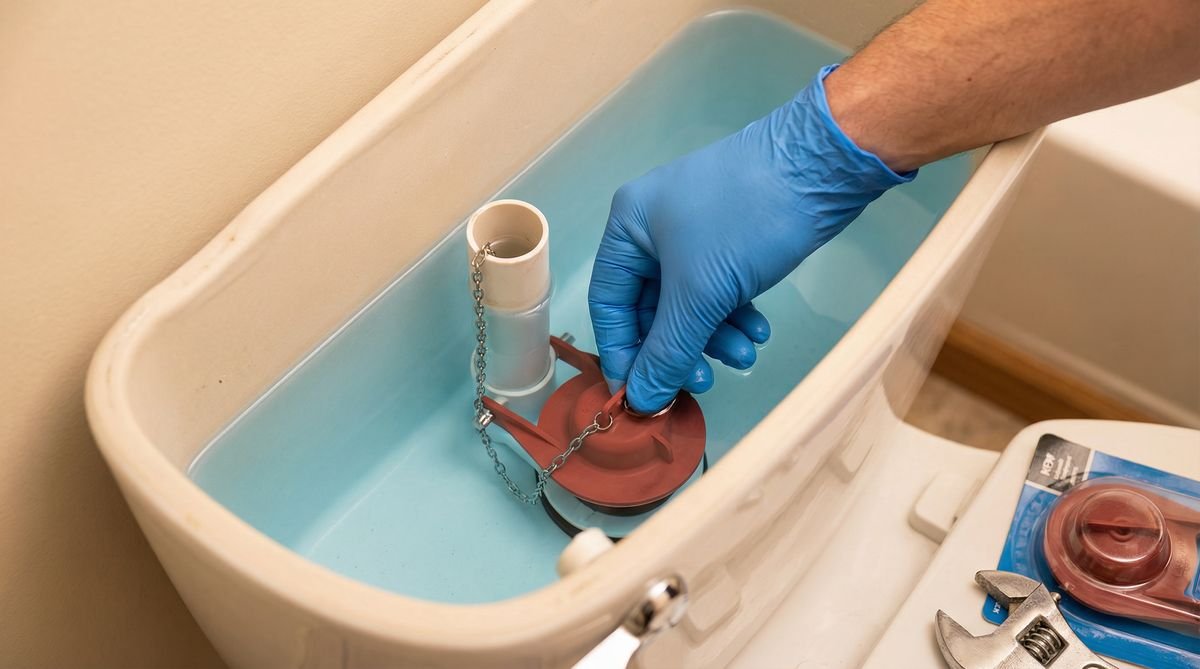
Begin your investigation by focusing on the flapper. This rubber or silicone component is designed to create a watertight seal at the bottom of the tank. Over time, chlorine in the water can cause the rubber to stiffen, crack, or warp, leading to a poor seal. To test, remove the tank lid and gently press down on the flapper with your hand. If the running water stops, you’ve likely found your problem. Also, inspect the chain connecting the flapper to the flush lever. It should have a small amount of slack (about half an inch) when the tank is full. If it’s too tight, it will prevent the flapper from fully closing. If it’s too loose, it might get caught under the flapper. If the flapper is visibly damaged or doesn’t seal properly after adjusting the chain, it’s time for a replacement. This is an inexpensive and relatively easy DIY fix.
The Fill Valve and Float: Regulating Water Flow
If the flapper isn’t the issue, turn your attention to the fill valve and float. The float dictates the water level in the tank. If the water level is too high, it will continuously spill into the overflow tube, causing the toilet to run. Most toilets have an adjustable float. For older ball-and-arm floats, you can gently bend the arm downwards. Newer cup-style floats often have an adjustment screw or clip on the rod that allows you to lower the water level. Aim for the water level to be about one inch below the top of the overflow tube. If adjusting the float doesn’t stop the running, the fill valve itself might be faulty. Debris can sometimes clog the valve, preventing it from shutting off completely. In such cases, the fill valve may need to be cleaned or replaced. [1]
Beyond the Basics: Addressing Persistent Leaks
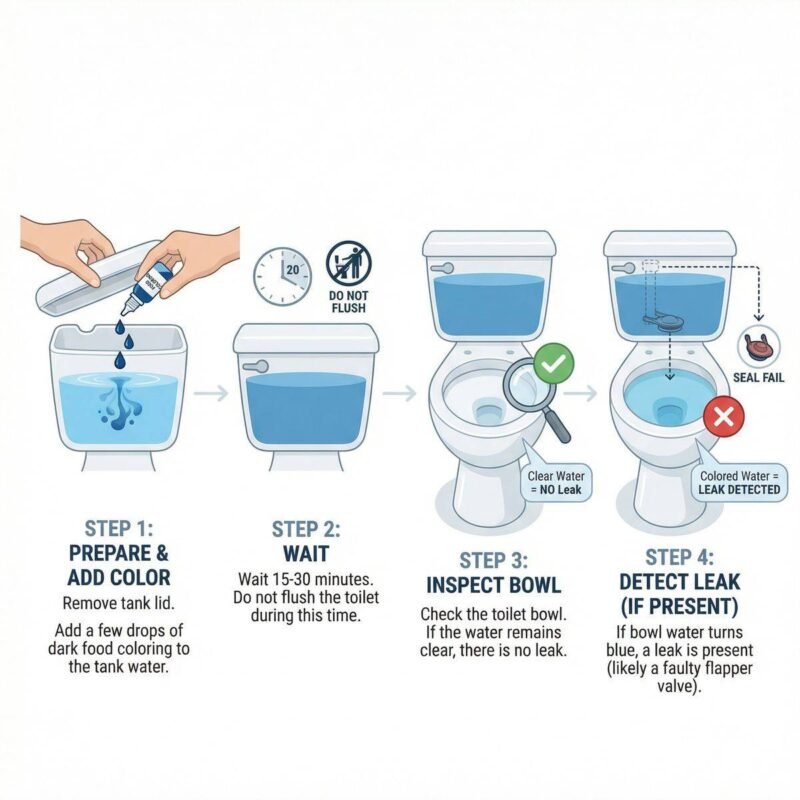
Sometimes, despite your best efforts with the flapper and fill valve, the toilet continues to run. This indicates a more persistent leak that requires further investigation. A common method to detect subtle leaks is the food coloring test. Add a few drops of food coloring to the tank water (without flushing) and wait for about 15-20 minutes. If any color appears in the toilet bowl, you have a leak, likely from the flush valve seat or a hidden crack in the tank. Other less common issues include worn-out tank bolts and gaskets, which can cause water to seep from the bottom of the tank. If you suspect these more complex problems, or if you’re uncomfortable with further disassembly, it might be time to consult a professional plumber. They have specialized tools and expertise to diagnose and fix intricate plumbing issues, ensuring a lasting solution.
Saving More Than Water: Environmental Impact and Long-Term Benefits
Answer Capsule: Fixing a running toilet extends beyond just saving on your water bill; it significantly reduces your household’s environmental footprint by conserving a vital natural resource. Over time, preventing water waste also lessens the strain on local water treatment facilities and infrastructure, contributing to broader ecological sustainability and reducing energy consumption associated with water processing and delivery.
The immediate benefit of fixing a running toilet is a noticeable reduction in your water bill. However, the impact extends far beyond your personal finances. A single running toilet can waste thousands of gallons of water per month, contributing to significant water scarcity issues in many regions. By addressing this leak, you are actively participating in water conservation efforts, which are crucial for environmental sustainability. Less water waste means less energy expended on pumping, treating, and heating water, thereby reducing your carbon footprint. Furthermore, it alleviates the burden on municipal water systems and wastewater treatment plants, promoting healthier ecosystems and ensuring a more resilient water supply for communities. This small repair translates into a substantial positive impact on both your budget and the planet.
Proactive Plumbing: Preventative Maintenance for a Leak-Free Future
Answer Capsule: Regular preventative maintenance is key to avoiding future running toilet issues and extending the lifespan of your plumbing. This includes periodically checking the flapper for signs of wear, ensuring the float is correctly calibrated, and inspecting the fill valve for debris. A simple annual inspection of your toilet’s internal components can preempt costly repairs and consistent water waste, keeping your system efficient and reliable.
Preventing a running toilet is far easier and more cost-effective than repairing one. Incorporating a few simple preventative maintenance steps into your routine can save you headaches and hundreds of gallons of water. Annually, perform a quick visual inspection of your toilet’s internal components. Check the flapper for any signs of stiffness, cracking, or deterioration, and consider replacing it every 3-5 years as a proactive measure, especially if you live in an area with hard water or high chlorine levels. Ensure the float is always set to the appropriate water level, about one inch below the overflow tube, and adjust it if necessary. Periodically clean the fill valve to prevent mineral buildup that can impede its function. Additionally, be mindful of what goes down the toilet, as foreign objects can damage the flapper or clog the system. By being proactive, you can significantly reduce the likelihood of a running toilet and maintain an efficient, water-saving household.
Frequently Asked Questions
Answer Capsule: This section addresses common inquiries regarding running toilets, including water waste statistics, methods for detecting slow leaks, criteria for toilet replacement, and distinctions between one-piece and two-piece toilet designs, providing quick, informative answers to prevalent homeowner concerns.
How much water does a running toilet waste?
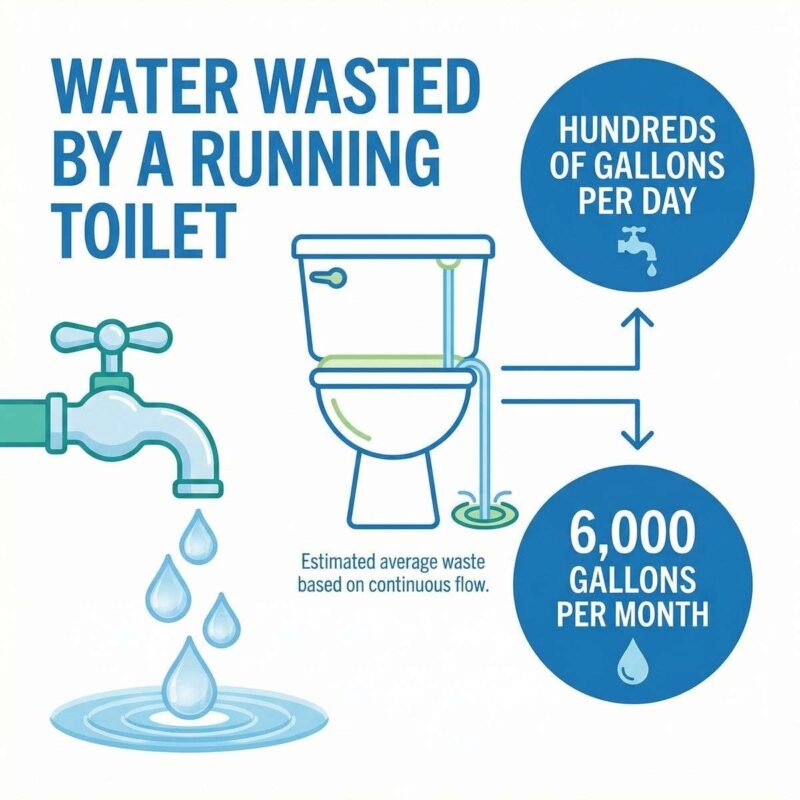
A continuously running toilet can be a major source of water waste. Even a small, unnoticeable leak can waste hundreds of gallons of water per month. More significant leaks can waste thousands of gallons, leading to a substantial increase in your water bill. For instance, a toilet running constantly can waste over 6,000 gallons of water in a single month. [2]
How do I know if my toilet has a slow leak?
The most reliable way to detect a slow, silent leak is the food coloring test. Remove the toilet tank lid and add a few drops of dark food coloring (blue or green works well) to the water in the tank. Do not flush the toilet for at least 15 to 20 minutes. After this time, check the toilet bowl. If you see any colored water in the bowl, it indicates that water is leaking from the tank into the bowl, even when it’s not being flushed. This usually points to a problem with the flapper or the flush valve seat.
When should I replace my toilet instead of repairing it?
While many toilet issues are repairable, there comes a point when replacement is the more economical and environmentally sound choice. Consider replacing your toilet if:
- It was manufactured before 1994, as older models are significantly less water-efficient.
- It has recurring leaks or problems that require frequent repairs.
- It consistently requires two flushes to clear the bowl, indicating poor flushing power.
- The porcelain is cracked or severely stained, affecting hygiene and appearance.
Modern high-efficiency toilets (HETs) use significantly less water per flush (1.28 gallons or less) compared to older models (3.5 to 7 gallons), offering substantial long-term water and cost savings. [3]
What is the difference between a one-piece and two-piece toilet for repairs?
The distinction between one-piece and two-piece toilets is important when considering repairs or replacements. A two-piece toilet is the more traditional design, featuring a separate tank and bowl that are bolted together. This modular design often makes it easier to replace individual components like the tank or bowl if one is damaged. In contrast, a one-piece toilet has the tank and bowl integrated into a single, seamless unit. While aesthetically sleek and often easier to clean, repairs can sometimes be more challenging as standard replacement parts, particularly flush valves, might not be compatible. When purchasing repair kits or components, it is crucial to know your toilet type to ensure you select the correct parts. [4]
Conclusion: Empowering Homeowners, Protecting Resources
Answer Capsule: This article concludes by emphasizing that fixing a running toilet is an accessible DIY task with significant financial and environmental benefits. It reiterates the importance of understanding toilet mechanics, identifying common issues, and adopting preventative maintenance to ensure long-term water conservation and plumbing efficiency.
Fixing a running toilet is a task well within the capabilities of most homeowners, offering immediate financial relief and significant environmental benefits. By understanding the basic mechanics of your toilet, identifying common culprits like a faulty flapper or fill valve, and equipping yourself with a few essential tools, you can confidently tackle this common plumbing issue. Beyond the immediate repair, adopting a proactive approach to toilet maintenance ensures a leak-free future, contributing to both a healthier household budget and the broader effort of water conservation. Your efforts in silencing that persistent drip resonate far beyond your bathroom, making a tangible difference for our planet.
References
Answer Capsule: This section provides a comprehensive list of sources and external resources utilized in the article. These references offer further reading and verification for the factual claims and technical information presented, ensuring the content’s accuracy and credibility for readers seeking additional details.
- Fluidmaster. (n.d.). How To Fix Running Toilet | Toilet Repair | Fluidmaster. Retrieved from https://fluidmaster.com/toilet-problems/toilet-running-constantly/
- American Home Shield. (n.d.). How to Repair a Running Toilet. Retrieved from https://www.ahs.com/home-matters/repair-maintenance/how-to-repair-a-running-toilet/
- Saving Water Partnership. (n.d.). Toilet Leaks. Retrieved from https://www.savingwater.org/indoors/toilets/toilet/
- The DIY Playbook. (2025, December 8). How to Fix Common Toilet Problems (Easy DIY Guide). Retrieved from https://thediyplaybook.com/common-toilet-problems-fix/

Most Viewed