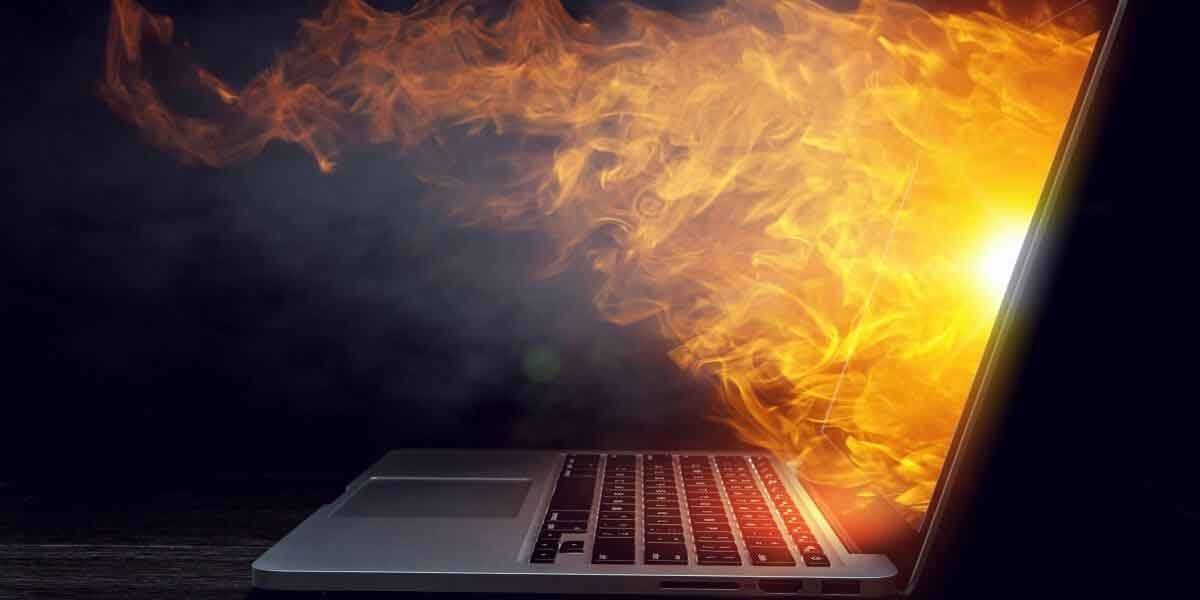

Laptops are convenient and powerful, but their compact design often makes them more prone to overheating than desktop computers. Excessive heat can slow performance, cause sudden shutdowns, or even damage hardware components. Understanding why laptops overheat and how to manage the issue is crucial for maintaining their longevity and performance. Overheating is typically caused by factors such as blocked air vents, dust buildup, outdated thermal paste, or overworked fans. With the right care and maintenance habits, users can keep their devices running efficiently. Addressing these problems early prevents lasting damage and ensures that laptops operate smoothly in the long term.
Table of Contents
ToggleCommon Causes of Laptop Overheating
Laptop overheating often begins with poor airflow. Most laptops draw in cool air through the bottom and release hot air through side or rear vents. When these vents are blocked by dust, fabric, or hard surfaces, internal heat cannot escape efficiently. Over time, trapped heat affects the CPU and GPU, forcing the fans to work harder and consume more energy. Another contributing factor is dust accumulation inside the fans and vents, which restricts air movement. Even software can play a role—running too many programs at once or outdated drivers can push the processor beyond its limits, generating excess heat. Understanding these causes helps users identify and resolve issues before they cause performance drops or hardware failure.
Cleaning Dust and Improving Air Circulation
One of the most effective ways to address laptop overheating is to clean both internal and external components regularly. Dust buildup inside vents and fans significantly reduces cooling efficiency, causing the temperature to rise faster during use. Using compressed air or a soft brush can remove debris without damaging delicate parts. It’s also important to operate the laptop on a flat, hard surface rather than on fabric, as this can block the vents. Cooling pads can further enhance airflow and reduce stress on internal fans. Similar to how a Heating contractor ensures proper ventilation in household systems, maintaining airflow in a laptop is essential for keeping temperatures stable. By improving air circulation, users can extend the device’s life and prevent frequent overheating episodes caused by clogged or obstructed vents.
Adjusting Power Settings and Performance
Many overheating problems stem from excessive system strain resulting from high-performance settings. High-performance modes keep the processor running at maximum speed, generating unnecessary heat even during light tasks. Adjusting power settings to a balanced or energy-saving mode helps the system regulate fan speed and temperature more effectively. Reducing background applications and disabling startup programs can also lower CPU load. Regular software updates improve thermal management by optimizing hardware communication. These small adjustments make a noticeable difference in maintaining consistent temperatures. Managing power efficiently not only keeps the laptop cooler but also conserves battery life, allowing users to work longer without compromising performance or hardware integrity.
Replacing Thermal Paste and Checking Fans
Thermal paste plays a vital role in transferring heat from the processor to the heat sink. Over time, this compound can dry out, leading to inefficient heat dissipation and higher operating temperatures. Replacing old thermal paste can dramatically reduce overheating and restore the laptop’s cooling efficiency. Additionally, inspecting internal fans ensures they’re spinning freely and not obstructed by dust or wear. Faulty fans can cause uneven cooling or complete system shutdowns under heavy load. If a fan begins to make noise or fails to spin consistently, it may need replacement. Keeping these components in good condition enables the laptop to maintain an optimal temperature even during demanding tasks, such as gaming or video editing.
Software Management and Monitoring Tools
Monitoring system temperatures through software provides valuable insight into how effectively a laptop manages heat. Free programs such as HWMonitor or Core Temp display real-time temperature readings for CPU and GPU components. Users can identify when the system begins to overheat and which processes contribute most to the problem. Adjusting fan curves or setting alerts for temperature thresholds ensures the device remains within safe limits. Managing background processes, updating drivers, and ensuring the operating system runs smoothly all contribute to cooler operation. Consistent monitoring helps detect early signs of malfunction, allowing preventive maintenance before serious damage occurs. Software tools are an essential complement to physical maintenance when managing laptop performance.
Environmental Factors and Usage Habits
External conditions often play a significant role in managing laptop temperature. Using a laptop in warm or humid environments increases internal heat levels and reduces cooling efficiency. Placing the device near direct sunlight or heat sources can also cause it to overheat rapidly. Proper room ventilation and moderate ambient temperatures create a favorable environment for laptop operation. Additionally, shutting down the laptop when not in use allows internal components to cool naturally. Avoiding continuous heavy use without breaks helps prevent sustained high temperatures that wear down parts over time. Developing healthy usage habits goes a long way in preventing recurring overheating issues and preserving the device’s overall functionality.
Long-Term Maintenance and Prevention
Preventing laptop overheating is an ongoing process that involves both care and consistency. Scheduling routine cleanings, regularly monitoring temperature, and maintaining efficient software practices are key to long-term performance. Replacing aging components, such as fans or thermal paste, keeps the system running efficiently for years. Keeping drivers and firmware up to date ensures that hardware operates optimally. By treating overheating as a manageable issue rather than an inevitable one, users can significantly extend the lifespan of their laptops. A proactive approach not only improves reliability but also maintains peak performance and comfort during daily use, preventing costly repairs or replacements.
Laptop overheating is a common but preventable issue. Through regular cleaning, airflow maintenance, software optimization, and attention to environmental factors, users can keep their devices running smoothly and safely. Understanding the root causes of heat buildup enables targeted solutions that enhance cooling efficiency and system stability. By developing good maintenance habits and consistently monitoring performance, laptops can continue to deliver reliable service without interruption. Preventing overheating not only preserves hardware but also enhances overall performance and user comfort. With mindful care and proper adjustments, any laptop can stay cool, efficient, and dependable for years to come.

Chase Durkish
Most Viewed