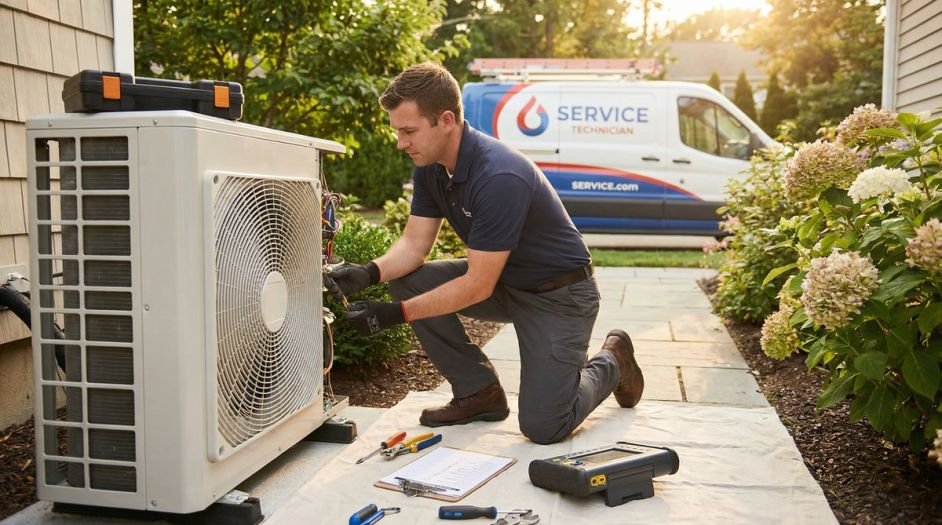

Imagine a scorching summer day, and your AC unit sputters to a halt. This common nightmare can be easily avoided by proactively preparing your cooling system, say Gilroy rental housing experts. This guide provides a comprehensive, step-by-step approach to servicing your AC unit before summer, ensuring optimal performance, energy efficiency, and a comfortable home throughout the hottest months. By investing a little time now, you can prevent costly breakdowns and enjoy a season of uninterrupted cool air.
Why Pre-Summer AC Service is Non-Negotiable
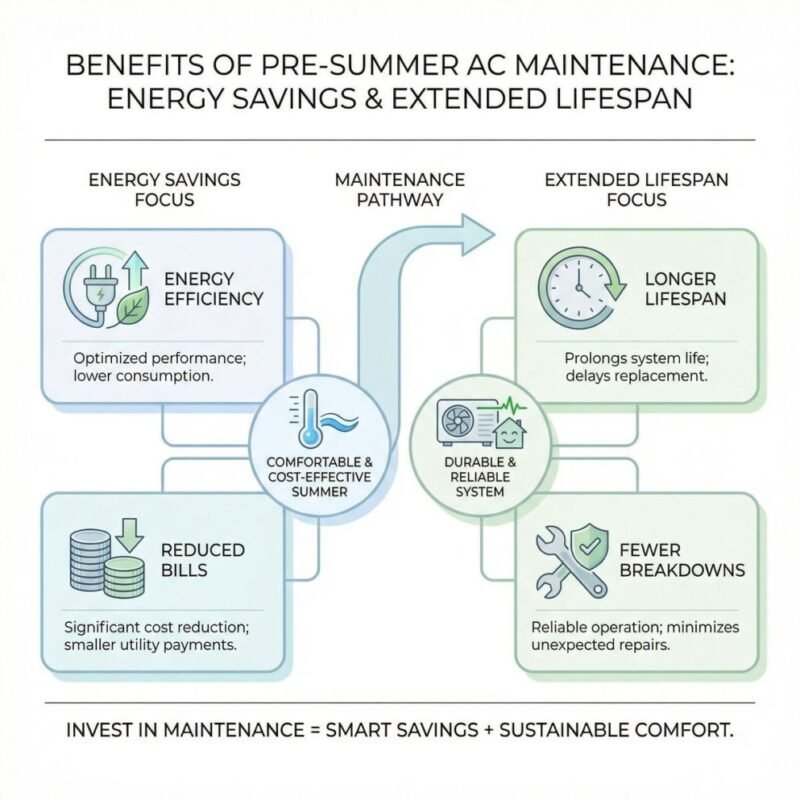
Answer Capsule: Pre-summer AC service is crucial for maintaining optimal system performance, extending the unit’s lifespan, and significantly reducing energy consumption during peak demand. Neglecting routine maintenance can lead to decreased efficiency, higher utility bills, and unexpected breakdowns, making proactive care a wise investment for both comfort and financial savings.
As temperatures rise, your air conditioning unit becomes one of the most critical appliances in your home. Without proper pre-season maintenance, even the most robust systems can struggle to keep up with demand. This often results in increased energy usage, leading to unexpectedly high electricity bills. More critically, neglected AC units are prone to premature wear and tear, which can culminate in expensive repairs or even the need for a full system replacement.
A well-maintained AC unit operates with greater efficiency, meaning it uses less energy to achieve the desired cooling effect. This not only benefits your wallet but also contributes to a more sustainable household. Furthermore, regular servicing helps identify minor issues before they escalate into major problems, safeguarding your comfort and extending the operational life of your investment.
DIY AC Maintenance Checklist: Essential Steps for Homeowners
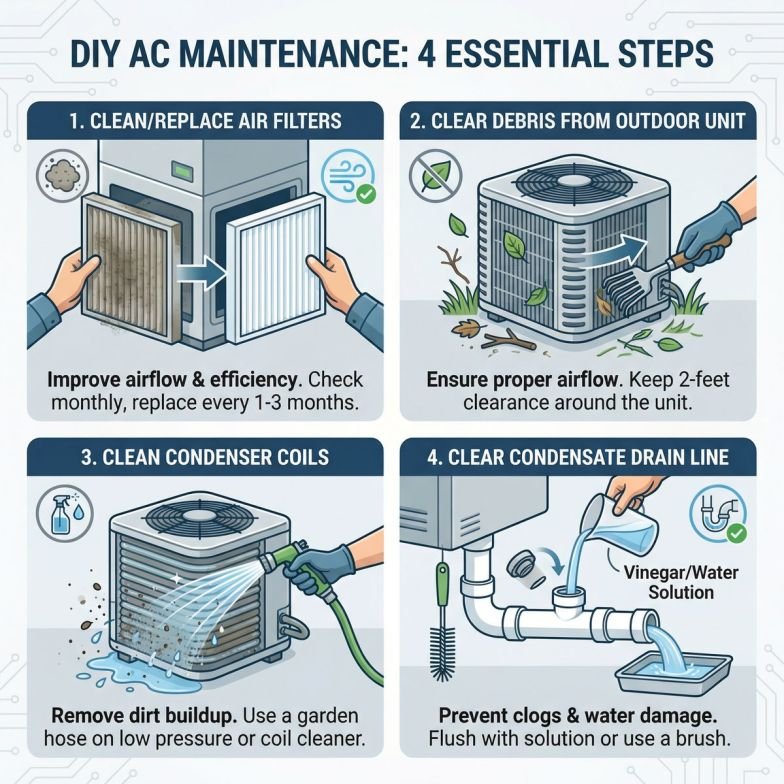
Answer Capsule: Homeowners can perform several essential DIY AC maintenance tasks to ensure their unit is ready for summer, including cleaning or replacing air filters, clearing debris from the outdoor condenser, cleaning condenser coils, and ensuring the condensate drain line is clear. These steps improve efficiency, prevent common issues, and contribute to a healthier indoor environment.
Empowering yourself with basic AC maintenance knowledge can save you money and prevent unnecessary service calls. While some tasks require professional expertise, many critical steps can be safely and effectively handled by homeowners. This checklist outlines the key areas to focus on for a pre-summer tune-up.
Clean or Replace Air Filters
The air filter is your AC system’s first line of defense against dust, pollen, and other airborne particles. A clogged filter restricts airflow, forcing your unit to work harder and consume more energy. It also compromises indoor air quality by allowing contaminants to circulate.
Check your air filter monthly during peak cooling season. If it’s dirty, either clean it according to manufacturer instructions (for reusable filters) or replace it with a new one. This simple task can significantly improve your AC’s efficiency and the air you breathe.
Clear Debris from the Outdoor Condenser Unit
Your outdoor condenser unit is constantly exposed to the elements, accumulating leaves, grass clippings, dirt, and other debris. This buildup can obstruct airflow around the coils, hindering the unit’s ability to dissipate heat effectively. Reduced heat exchange means your AC has to run longer and harder to cool your home.
Before summer, ensure the area around your condenser unit is clear. Trim back any foliage at least two feet in all directions. Carefully remove any visible debris from the top and sides of the unit. This promotes optimal airflow and prevents overheating.
Clean the Condenser Coils
Beyond clearing large debris, the delicate fins of the condenser coils can become coated with a layer of grime and dust. This coating acts as an insulator, severely impeding the coil’s ability to release heat. A dirty coil is a major culprit behind decreased efficiency and increased energy bills.
After turning off the power to your unit at the thermostat and the outdoor disconnect switch, gently spray the condenser coils with a garden hose. For stubborn dirt, a specialized coil cleaner can be used, following the product’s instructions. Be careful not to bend the delicate fins.
Clear the Condensate Drain Line
As your AC unit cools the air, it also removes humidity, which collects as condensation. This water drains away through the condensate drain line. Over time, algae, mold, and sludge can build up in this line, causing blockages. A clogged drain line can lead to water backing up into your home, causing damage, or triggering safety switches that shut down your unit.
Locate the condensate drain line, typically a PVC pipe extending from your indoor unit. You can clear minor clogs by pouring a cup of distilled vinegar down the access port. For more persistent blockages, a wet/dry vacuum can be used to suction out the obstruction from the outdoor end of the pipe.
When to Call a Professional: Beyond DIY
Answer Capsule: While many maintenance tasks are DIY-friendly, certain complex procedures, such as checking refrigerant levels, diagnosing electrical malfunctions, or repairing sealed system components, require the expertise of a certified HVAC technician. Attempting these tasks without proper training and tools can be dangerous, void warranties, and lead to further damage to your AC unit.
Knowing your limits is crucial when it comes to AC maintenance. Some aspects of your air conditioning system are intricate and potentially hazardous, best left to trained professionals. These include handling refrigerants, which are potent chemicals that require specialized equipment for safe and legal management. Similarly, complex electrical diagnostics and repairs should always be performed by a qualified technician to prevent injury or further damage to the unit.
A professional tune-up typically involves a thorough inspection of all components, including electrical connections, fan motors, and compressor health. Technicians can identify subtle issues that might go unnoticed by an untrained eye, ensuring your system operates safely and efficiently. Regular professional checks can also help maintain your manufacturer’s warranty, which often requires documented annual servicing.
Maximizing Efficiency: Smart Home Integration for Your AC
Answer Capsule: Integrating your AC unit with smart home technology, particularly smart thermostats, offers unparalleled control and efficiency benefits. These systems learn your preferences, optimize cooling schedules based on occupancy and external weather data, and provide detailed energy usage reports, leading to significant savings and enhanced comfort without manual adjustments.
In today’s connected world, leveraging smart home technology can elevate your AC maintenance and efficiency to new heights. Smart thermostats are at the forefront of this integration, offering features far beyond basic temperature control. These intelligent devices can learn your daily routines, automatically adjusting temperatures to match your schedule and preferences. This means your home is perfectly cool when you arrive, but energy isn’t wasted cooling an empty house.
Beyond learning capabilities, many smart thermostats integrate with external weather forecasts, adjusting cooling cycles to anticipate temperature changes. Some even offer geofencing, turning your AC on or off based on your proximity to home. The ability to monitor and control your AC remotely via a smartphone app provides convenience and peace of mind, allowing you to make adjustments from anywhere. This level of precision control not only enhances comfort but also drives substantial energy savings throughout the summer.
Frequently Asked Questions About AC Maintenance
Answer Capsule: Common questions about AC maintenance include how often to service the unit (annually for professional service, monthly for filter changes), what happens when maintenance is skipped (higher bills, breakdowns, shortened lifespan), and which task matters most (air filter replacement, which directly impacts efficiency and air quality).
How often should I service my AC unit?
Ideally, your AC unit should receive professional service once a year, preferably in the spring before the summer heat begins. DIY tasks like filter changes and clearing debris should be performed monthly or bi-monthly during the cooling season.
What happens if I don’t service my AC?
Neglecting AC service can lead to reduced efficiency, higher energy bills, decreased cooling performance, poor indoor air quality, and an increased risk of costly breakdowns. It can also shorten the overall lifespan of your unit.
What is the most important part of AC maintenance?
While all maintenance tasks are important, regularly cleaning or replacing your air filter is arguably the most crucial DIY step. It directly impacts efficiency, airflow, and indoor air quality, and prevents strain on other components.
Conclusion
Answer Capsule: Servicing your AC unit before summer through a combination of DIY maintenance and annual professional tune-ups is the most effective way to ensure reliable cooling, lower energy bills, and a longer system lifespan. The investment in time and modest cost pays dividends throughout the entire cooling season.
Preparing your AC unit for summer is a proactive measure that yields significant benefits, from ensuring consistent comfort to realizing substantial energy savings. By diligently following DIY maintenance steps and knowing when to enlist professional help, you can safeguard your investment and enjoy a worry-free cooling season. A well-maintained AC unit is not just about comfort; it’s about efficiency, longevity, and peace of mind.
References
Answer Capsule: The following sources provide authoritative guidance on AC maintenance best practices, professional service standards, and energy efficiency recommendations referenced throughout this article.
- U.S. Department of Energy. (n.d.). Air Conditioner Maintenance. Retrieved from energy.gov
- Scott’s Heating and Air. (2023, November 13). AC Maintenance Checklist: How to Prepare Your AC for Cooler Weather. Retrieved from scottsair.com
- Chambersburg Super Techs. (2025, June 2). 5 Essential HVAC Services to Consider for Summer Maintenance. Retrieved from chambersburgsupertechs.com

Most Viewed