The link maya.ph/winner is not a prize claim page — it is Maya Philippines’ own scam awareness landing, created to warn users about a widespread text hijacking scheme. If you received a text message telling you to click that link to collect a ₱8,080 reward, that message was sent by scammers, not Maya. The URL leads to a warning, not a wallet credit.
Here is everything you need to know about how the scam works, how real Maya prize notifications look, and what to do if you already clicked.
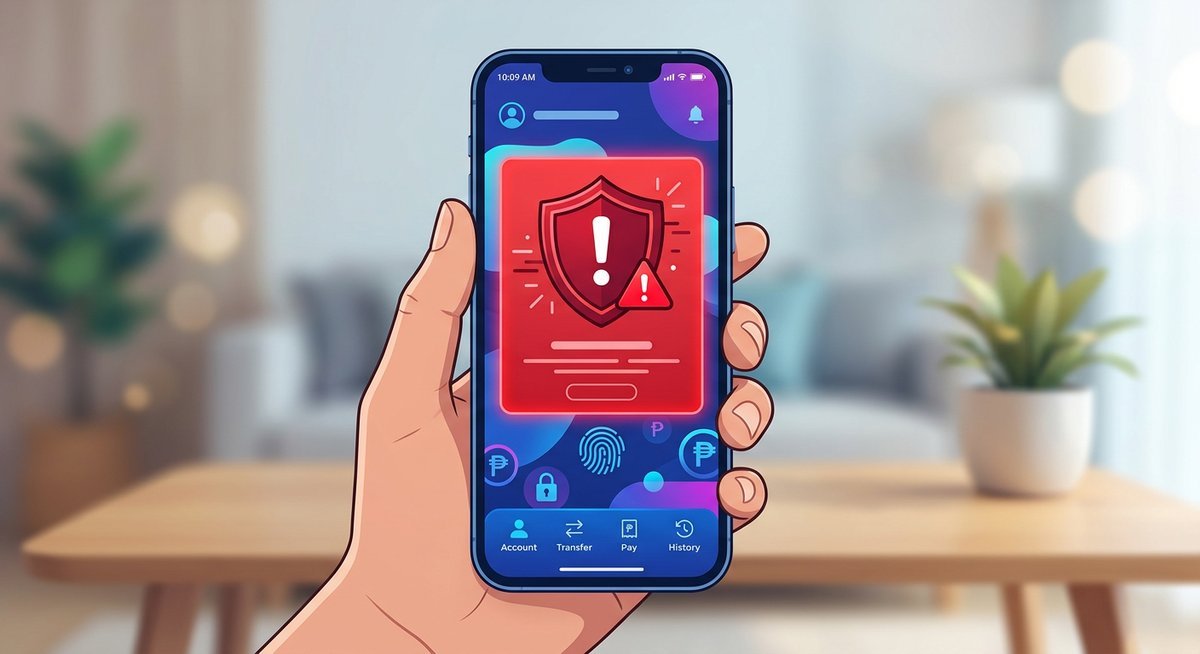
What Is maya.ph/winner?
Maya.ph/winner is an official page published by Maya Philippines — the BSP-licensed digital bank formerly known as PayMaya. The page does not contain a prize portal or a cashback claim form. Instead, it is part of Maya’s Scam Patrol campaign: a public awareness effort designed to catch users who were lured there by fake text messages and show them, right at the moment they expect a prize, that they are looking at a scam.
Maya Philippines is regulated by the Bangko Sentral ng Pilipinas (BSP) and is one of only six BSP-licensed digital banks operating in the Philippines as of 2025. The company’s security team runs ongoing anti-fraud campaigns. The Scam Patrol page at maya.ph/winner is one of the most direct: it uses the exact URL that scammers circulate, so anyone following that link sees a warning before they can enter any sensitive information.
The page states plainly — in both English and Filipino — that texts promising ₱8,080 or similar rewards via that link are part of a text hijacking modus. The message is direct: do not share your OTP, do not log in through an unverified prompt, and do not call back numbers in the message.
The ₱8,080 Text Scam: How It Actually Works
The scam begins with an SMS that reads something like: “Congratulations! You’re one of our lucky winners to receive a ₱8,080 reward. Click maya.ph/winner now before it expires.” The message appears urgent, uses Maya’s branding, and in many cases arrives inside the same SMS thread as your legitimate Maya notifications — which is not a coincidence.
This technique is called text hijacking or SMS spoofing. Scammers manipulate the sender ID field of an SMS so that mobile networks route the message into the same conversation thread as previous messages from “MAYA” or “PayMaya.” The phone has no way to verify that the sender is actually Maya, it just groups messages by sender name. That visual association is what makes the scam convincing.
The ₱8,080 figure is deliberate. It is small enough to seem like a plausible promo reward rather than a lottery jackpot, but large enough to motivate action. Scammers test different amounts across different campaigns; ₱8,080 has been the most widely circulated variant because it sits in the believable range for an e-wallet cashback event.
| Signal | Real Maya Notification | Fake Text Scam |
|---|---|---|
| Where it arrives | Maya app notification tray | SMS or Messenger |
| Requires clicking a link | No, prize is added to your account automatically | Yes, “click now before it expires” |
| Asks for OTP or PIN | Never | Often, via a phishing form |
| Urgency language | None | High (“expires in 24 hours”) |
| Verifiable on Maya’s Facebook | Yes, all winners are announced on the official page | No matching post exists |
| Sender ID appears as | In-app push notification, not SMS | “MAYA” or “PayMaya” via spoofed SMS |
| Amount specified | Not disclosed in the notification | Specific suspiciously round figure (₱8,080) |
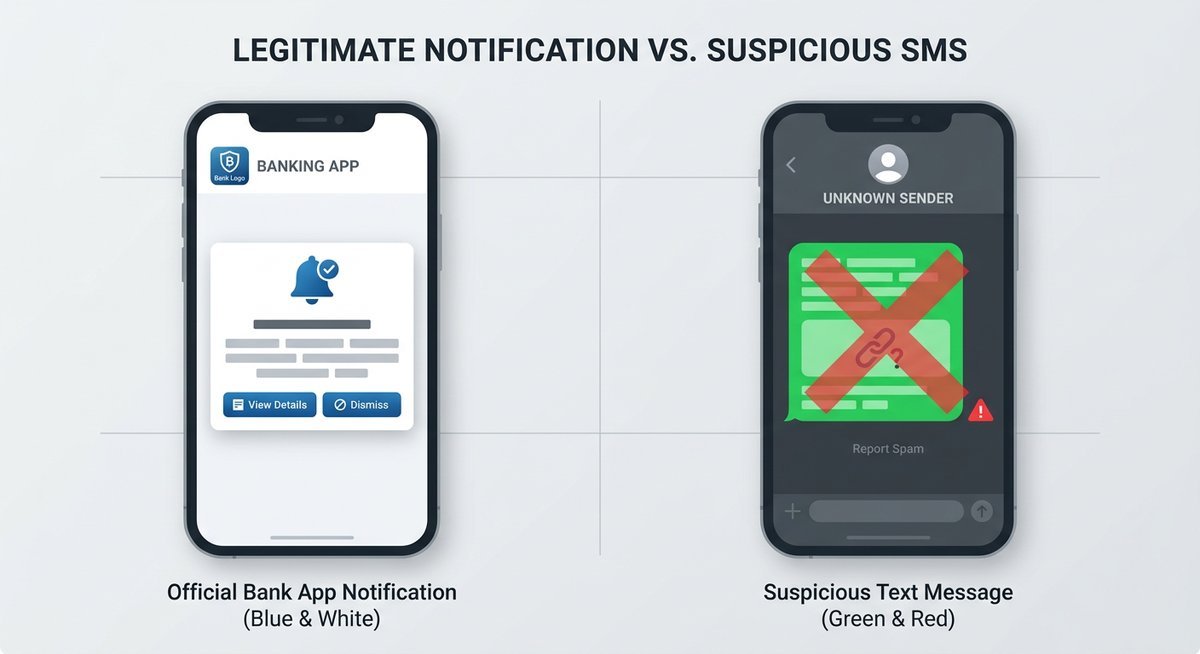
How Maya Actually Notifies Real Winners
Maya notifies real promo and raffle winners through two primary channels: the Maya app itself and the official Maya Facebook page at facebook.com/mayaiseverything. Winners may subsequently receive a follow-up call, email, or SMS from Maya, but those secondary contacts come after the app notification, not before it, and they never require you to click an external link to claim your prize.
According to Maya’s official support documentation, the company will never ask winners to provide their OTP, full account number, password, or PIN as part of a prize collection process. If any message, whether by text, email, or chat, asks for any of those details in connection with a supposed Maya prize, it is fraudulent.
Maya is also a PDIC member institution, which means deposits are insured and the organization operates under formal regulatory oversight. Legitimate promotions run by Maya are registered with the Department of Trade and Industry (DTI) and include official terms and conditions posted on the Maya website, not just a text message.
“In addition to announcing the winners on our official Facebook page, we will also be notifying them through the Maya app.”
— Maya Philippines official support documentation (support.maya.ph)
5 Red Flags That Tell You It’s a Scam
Five patterns appear in nearly every fake Maya winner message: urgency language, a clickable link, requests for sensitive credentials, no matching app notification, and prizes from campaigns you never entered. Recognizing any one of these is enough to confirm the message is not from Maya.
- Urgency pressure. Phrases like “expires in 24 hours,” “claim now before your slot is given to someone else,” or “act immediately” are manipulation tactics. Real prizes do not evaporate in hours.
- A link you are told to click. Maya does not send prize claims via clickable SMS links. Real rewards appear in your app balance or are announced publicly before you receive any personal notification.
- Requests for your OTP, PIN, or password. No legitimate financial institution will ever ask for these to award a prize. This is the point where real damage happens.
- No matching notification in your Maya app. Open the app. If there is no notification about a prize in your notification tray or message inbox, the text is fake, regardless of how official it looks.
- A prize you never entered for. Maya’s promos require opt-in through the app. If you did not participate in a specific campaign, you cannot have won it.
The fifth point catches many people off guard. Scammers bank on the general awareness that Maya runs promotions. The assumption that “maybe I accidentally qualified” is part of the psychological design of the message.
What to Do If You Already Clicked the Link
Clicking maya.ph/winner itself is not dangerous, you land on Maya’s own scam warning page. The risk comes from what happens before or after: if you clicked a different link that was formatted to look like maya.ph/winner, or if you entered your credentials anywhere after being redirected.
If you believe you may have shared sensitive information through a fake Maya page, take these steps immediately:
- Change your Maya PIN right now. Open the Maya app, go to Profile, then Security, and update your PIN. Do not wait.
- Check your transaction history. Look at the past 24-48 hours for any transfers or purchases you did not initiate. Screenshot anything suspicious.
- Contact Maya support at 1800-8-62921. Maya’s hotline operates 24/7. Report the incident, describe what happened, and ask them to flag your account for review.
- File a report with the NBI Cybercrime Division or PNP Anti-Cybercrime Group. This creates an official record and contributes to the broader investigation of the scam network.
Speed matters here. Most unauthorized transactions on digital wallets happen within the first hour of credential compromise. The sooner you lock down the account, the less exposure you face.
Frequently Asked Questions
Is maya.ph/winner a real prize website?
No. Maya.ph/winner is Maya Philippines’ own scam awareness page. It was created to intercept users who were directed there by fraudulent text messages and show them that the ₱8,080 prize offer is fake. No prize can be claimed there.
Why does maya.ph/winner show a scam warning instead of a prize page?
Maya registered the URL and built the page intentionally. Because scammers were circulating maya.ph/winner in mass text messages, Maya used its own domain to redirect victims to a warning. Instead of landing on a phishing form, users land on Maya’s own message telling them what happened.
Can scammers really make texts appear in my real Maya conversation?
Yes. SMS spoofing allows any sender to forge the sender name field in a text message. Mobile carriers group messages by sender name, not by verified identity. Scammers set their sender name to “MAYA” and the message appears in the same thread as your real Maya SMS history.
Did I actually win anything from Maya?
If the only notification you received was a text message with a link, no. Maya announces winners on its official Facebook page and through the Maya app. If neither of those sources shows a prize notification for you, the text was not from Maya.
How do I report a fake Maya text message?
Forward the message to Maya at 09190899922 or contact Maya support at 1800-8-62921. You can also file a complaint with the National Telecommunications Commission (NTC) at ntcmcs.gov.ph and the NBI Cybercrime Division at nbi.gov.ph.
Is Maya.ph a legitimate bank?
Yes. Maya Philippines, Inc. is licensed by the Bangko Sentral ng Pilipinas (BSP) as a digital bank and is a PDIC member institution. It is the same company previously known as PayMaya. The bank serves millions of Filipino users and is regulated under Republic Act 8791 (General Banking Law).
What happens if I entered my OTP on maya.ph/winner?
The real maya.ph/winner page does not ask for an OTP, it is a warning page. If a different site captured your OTP while you thought you were on Maya’s page, treat it as a compromised credential: change your PIN immediately, check your transaction history, and call Maya’s 24/7 hotline at 1800-8-62921.
Are Maya’s monthly raffles real?
Maya does run legitimate promotions and raffles, and some users have received genuine prizes. Official promotions are announced through the Maya app and the official Facebook page, include registered DTI terms and conditions, and do not require winners to click SMS links to claim rewards. Community discussion on r/MayaPh suggests real winners are contacted through the app before any other channel reaches them.

Most Viewed